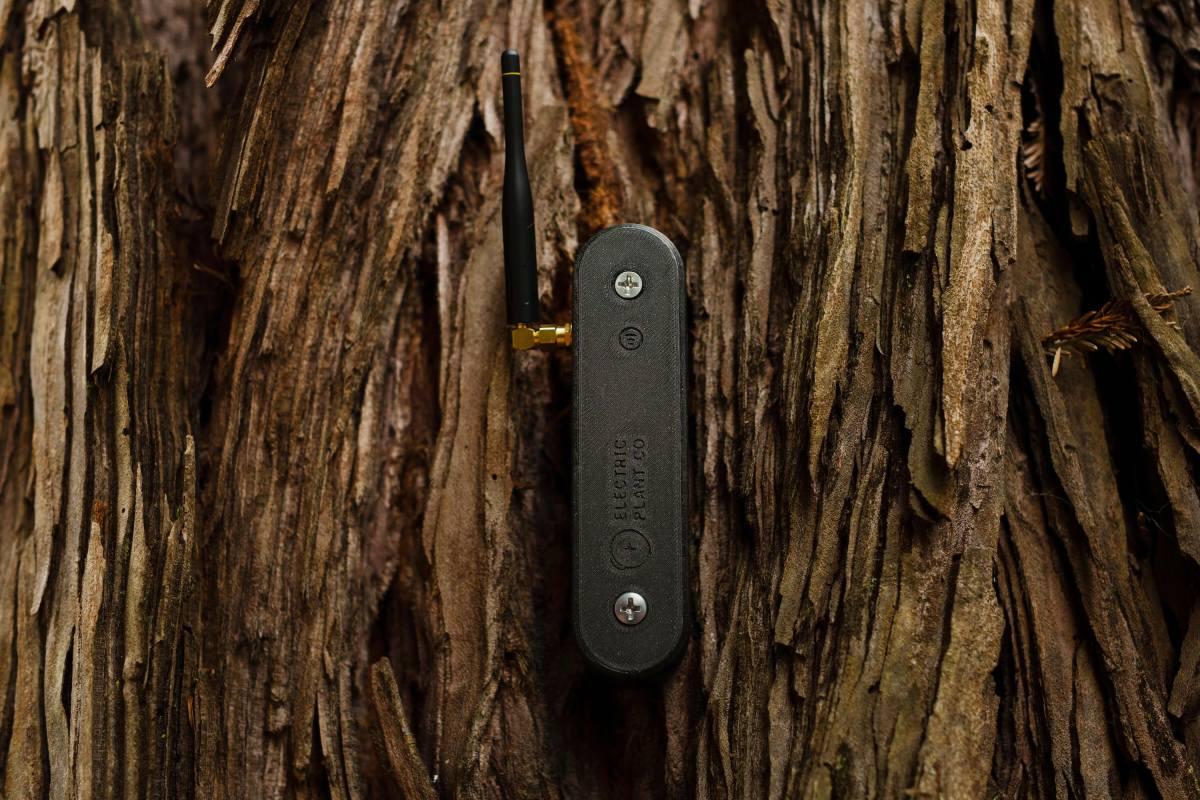
The American startup Electric Plant has secured $11.2 million in a seed funding round. The capital is designated for the development of Bombadil, an artificial intelligence model designed to interpret electrical signals within plant tissues. The system aims to provide real-time data on the needs of crops regarding water, nutrients, and light exposure.
The technology utilizes sensors the size of a smartphone, which are attached to plants using stainless steel screws to reach the cambium layer. These sensors measure electrical potential changes in microvolts and transmit the data to a base station via a low-power wireless network. According to CEO Justin Mast, only a few sensors are required to monitor an entire acre of land.
Currently, the Bombadil model is capable of interpreting signals from 125 different plant species, including tomatoes, ferns, sequoias, and dahlias. The company trained its AI using historical data from traditional monitoring tools, such as soil sensors, spectroscopy, and satellite imagery. Mast claims these sensors cost tens of dollars, significantly less than traditional equipment.
The startup expects that its system will enable farmers to optimize irrigation and fertilization schedules based on direct feedback from the plants. The company estimates that this approach could increase crop yields while reducing water consumption by 20% or more. While the current focus is on monitoring, the long-term goal is to facilitate more direct communication with plants.