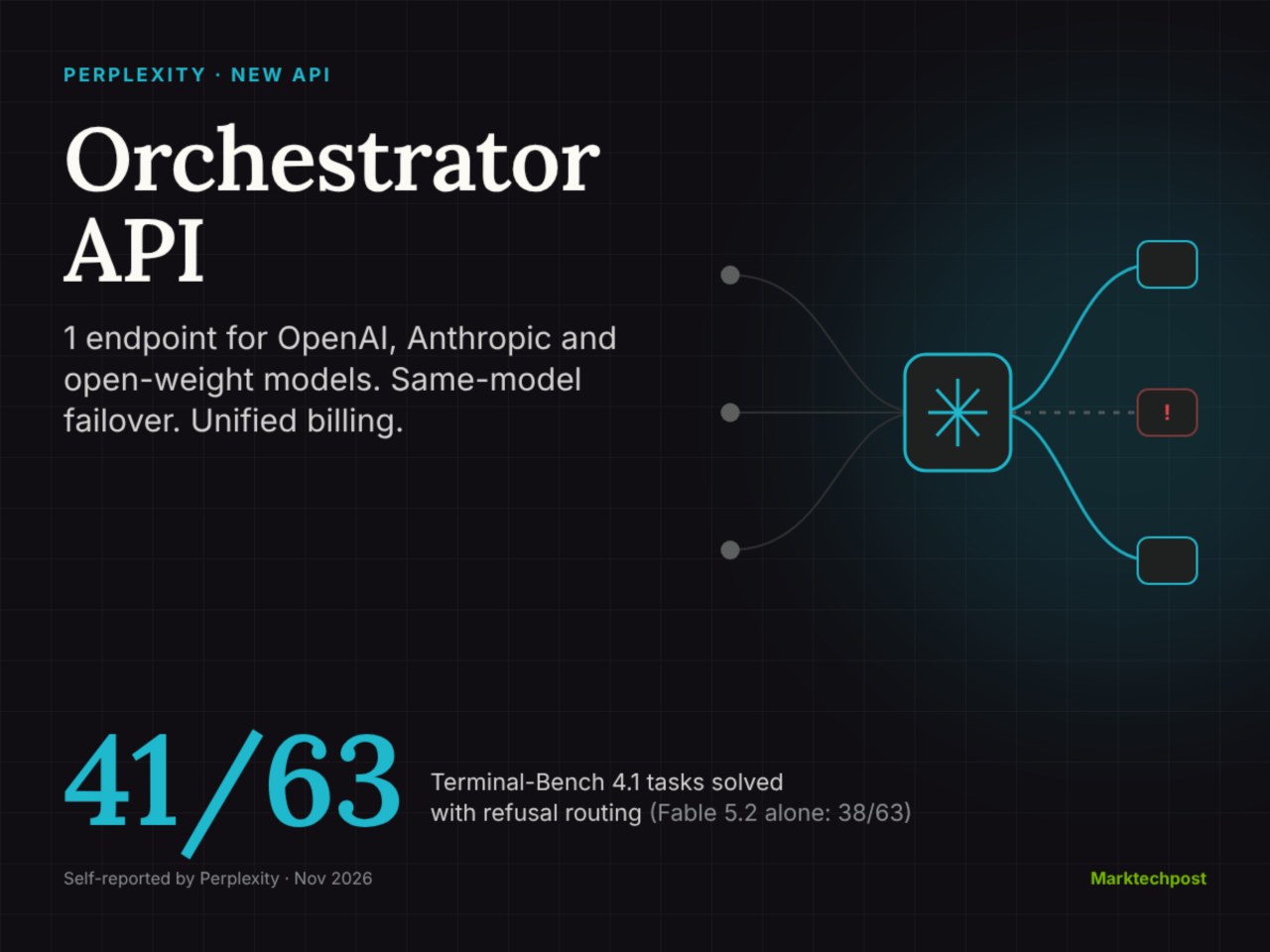
Decision Models, also known as System One Models, represent a new class of AI designed for internal software processes and autonomous agents rather than human interaction. These models focus on decision-making tasks such as classification, scoring, and selection without generating conversational text.
The trend gained momentum on September 15, 2026, when TypeSafe AI, founded by former OpenAI employee Diogo Almeida, released the Jev model. Shortly after, on October 5, 2026, Liquid AI introduced its multimodal d1 model, marking the rapid formation of a specialized market.
Unlike standard Large Language Models that generate text token by token, many Decision Models evaluate options in a single pass. This architecture allows for response times measured in tens or hundreds of milliseconds. At launch, Jev was priced at $0.042 per million input tokens.
These models handle three primary task types: choosing from predefined options, verifying document requirements or errors, and scoring quality or urgency. They provide structured outputs, often including confidence scores, which help systems determine when to automate tasks or escalate to more powerful models.
As of November 2026, the market includes various solutions such as Google's Gemini Decision 1, OpenAI's Decisions API based on GPT-6 Luna, and models from Perplexity, Cloudflare, and Together AI. Developers can choose between cloud-based APIs and models with open weights.