

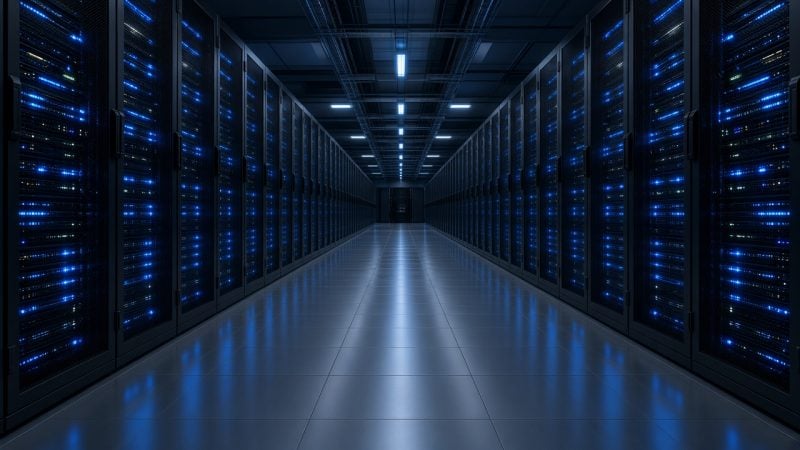
Data center operators are adopting two-phase immersion cooling to manage the heat generated by AI chips. This method involves submerging server components in dielectric synthetic fluorocarbon liquids, which boil at low temperatures to absorb thermal energy before condensing back into liquid.
Manufacturers like Chemours claim their Opteon 2P50 fluid can reduce cooling energy consumption by over 90% and lower water usage to near zero. Additionally, this technology could reduce data center footprints by up to 60% by eliminating the need for cooling towers and air handling units.
Nvidia reports efficiency gains of up to 300x with advanced cooling. Meanwhile, rack power densities have increased from 10–15 kilowatts to 100 kilowatts or more. Microsoft aims to cut water consumption by 31–52%, while Amazon is also exploring low-water alternatives.
The use of PFAS, or 'forever chemicals,' raises environmental concerns due to their persistence. Assessments indicate a 0.7% annual evaporative loss rate. Earthjustice has challenged the EPA review process for these substances, citing risks of contamination in regions like North Carolina and Virginia.
A September 2026 ChemSec report notes that major producers, including Arkema and Daikin, are expanding capacity for AI-related demand. 3M has exited the market for dielectric fluids. As of mid-2026, no major commercial deployments of these fluids have been confirmed.
Regulatory uncertainty and community opposition are slowing the adoption of PFAS-based cooling. Some operators are now investing in alternative cooling methods that avoid these chemicals entirely to mitigate potential future restrictions and public backlash.



