

The Korea Semiconductor Industry Association reports that Chinese memory manufacturers YMTC and CXMT have significantly reduced their technological gap with global leaders. The lag in NAND flash, DRAM, and HBM sectors is now estimated at one, two, and three years, respectively, compared to a five-year gap observed just a few years ago.
YMTC is advancing its 3D NAND technology, with current capabilities reaching 270 layers. The company expects to produce 400-layer products by 2027. Meanwhile, Samsung and SK Hynix are scheduled to mass-produce 300-layer NAND in 2025. These developments suggest YMTC is narrowing the lead held by international competitors.
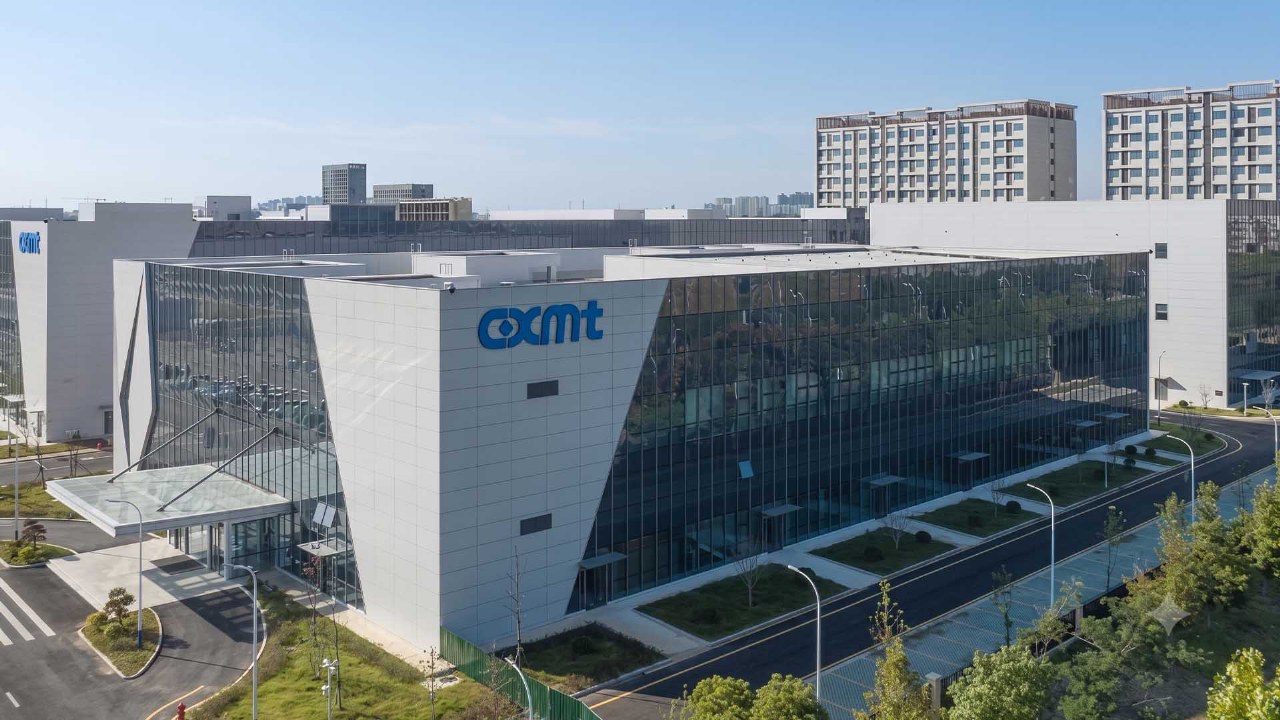
In the DRAM sector, CXMT has entered the DDR5 market as of 2025, trailing Samsung and SK Hynix by approximately two years. CXMT has already achieved mass production of LPDDR5X and is currently working on LPDDR6. These efforts demonstrate a faster product iteration cycle for the Chinese manufacturer.
HBM remains the most challenging segment, with a three-year technological lag. CXMT has begun trial production of HBM3E, though it faces low yields and technical hurdles in TSV vertical interconnects. To address this, CXMT is collaborating with YMTC to utilize Xtacking hybrid bonding technology for HBM development.
This copper-to-copper bonding method aims to improve stacking efficiency and reduce reliance on advanced EUV lithography equipment. Industry analysts note that Chinese firms are moving beyond laboratory testing toward large-scale industrialization, supported by expanded production capacity and a maturing local supply chain.



