Xu Jian, deputy head of the Highway Research Institute at the Ministry of Transport, stated that autonomous driving could reduce comprehensive logistics costs by more than 20%. Speaking at the 2026 TEDA International Forum, he noted that the technology could eliminate most human errors and potentially lower accident rates by over 90%.
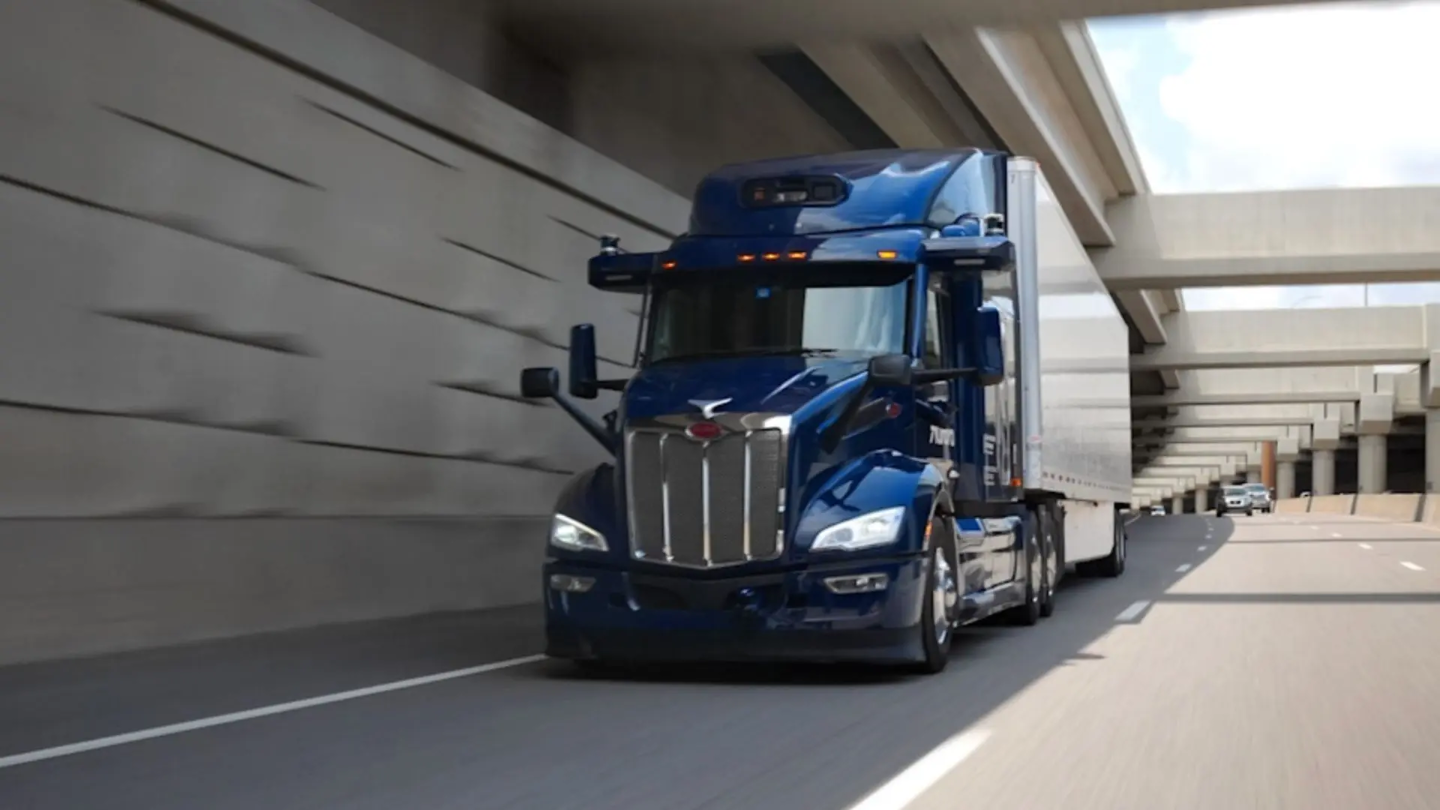
The proposed development strategy focuses on electric heavy-duty trucks combined with autonomous platooning and multi-energy integration. Implementation will follow a three-stage roadmap: testing on demonstration routes, validating models on dedicated roads, and achieving stable operations on open roads, supported by a standardized framework.
The industry aims to achieve large-scale deployment of point-to-point autonomous freight transport by 2030. This model relies on fixed-route direct logistics, utilizing trailer swapping to improve cross-regional efficiency. The approach is intended to provide reliable capacity for high-intensity night-time long-haul operations.
Despite progress, Xu Jian highlighted five critical challenges. These include technical limitations in all-weather sensing, fragmented data between vehicles and infrastructure, and lagging development of smart road facilities. Furthermore, the industry still lacks a complete supporting ecosystem and a viable commercial business model.