

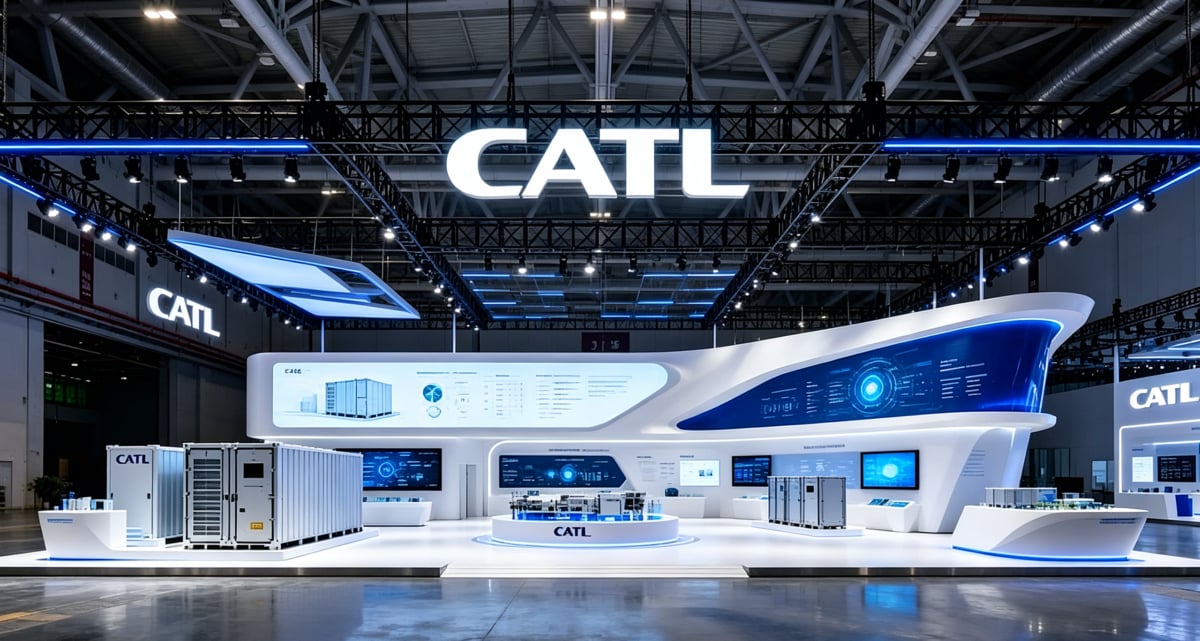
Robin Zeng, Chairman of CATL, warned on September 3, 2026, that compressed development schedules and price competition in China's EV market are leading to battery quality issues. During the 2026 World Power Battery Conference, he noted that over 600 new vehicle models were launched in China in 2026, averaging roughly three launches per day.
Zeng stated that shortening validation cycles to maintain this pace has resulted in batch-level failures for several power battery products. While he did not name specific brands or suppliers, the warning coincides with a period of price pressure, where LFP cell prices fell below ¥0.35 per Wh ($0.049 per Wh) in the first half of 2026.
The industry has seen significant quality disputes. Geely subsidiary Viridi E-Mobility Technology sued Sunwoda over cell defects supplied between June 2021 and December 2023, settling for ¥608 million ($89 million). Additionally, battery issues with CALB cells affected approximately 213,000 GAC Aion vehicles, leading to the 'banana battery' controversy.
CATL is implementing stricter internal standards to combat these risks. The company has set a manufacturing target of no more than one defect per billion cells (1 PPB), which is 1,000 times lower than the conventional 1-PPM defect tolerance. CATL also utilizes an internal 'Opponent Group' consisting of experts in electrochemistry, mechanical engineering, and AI to stress-test battery systems.
The scale of the Chinese market is immense, with domestic manufacturers accounting for over 70% of global power battery installations. SNE Research reported 608 GWh of global installations in the first half of 2026, with Chinese suppliers holding seven of the top 10 global positions.

