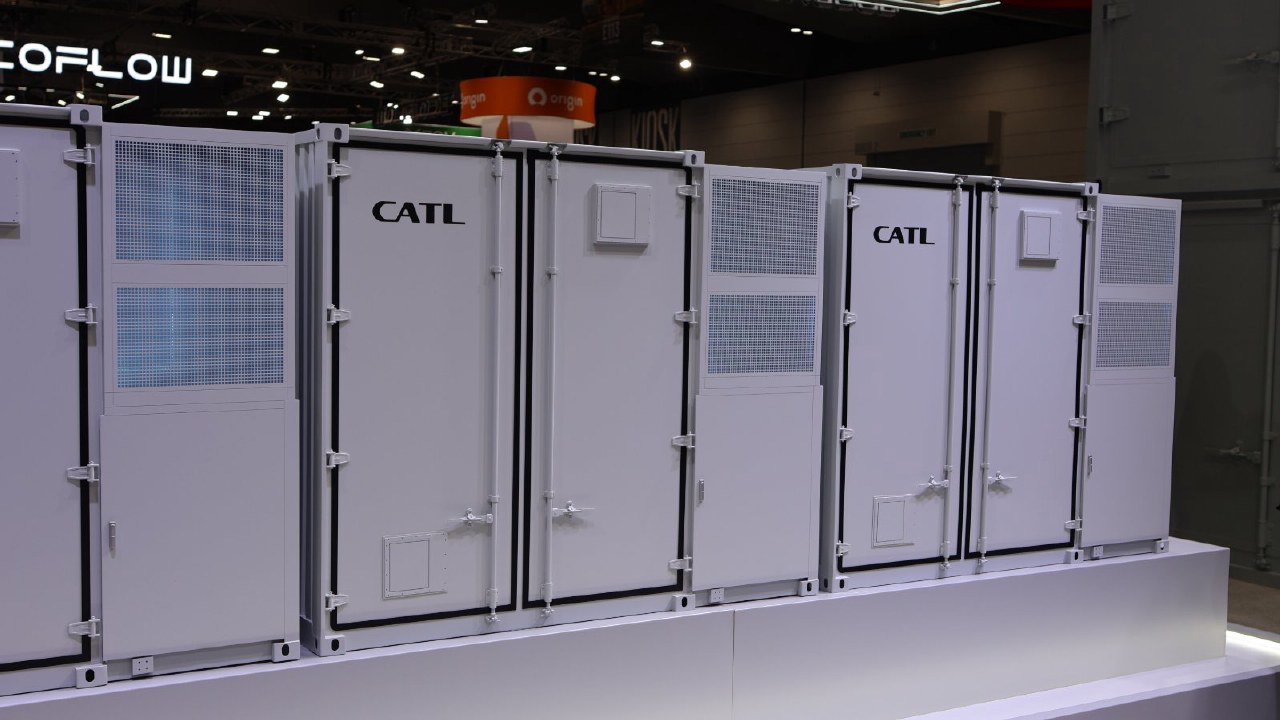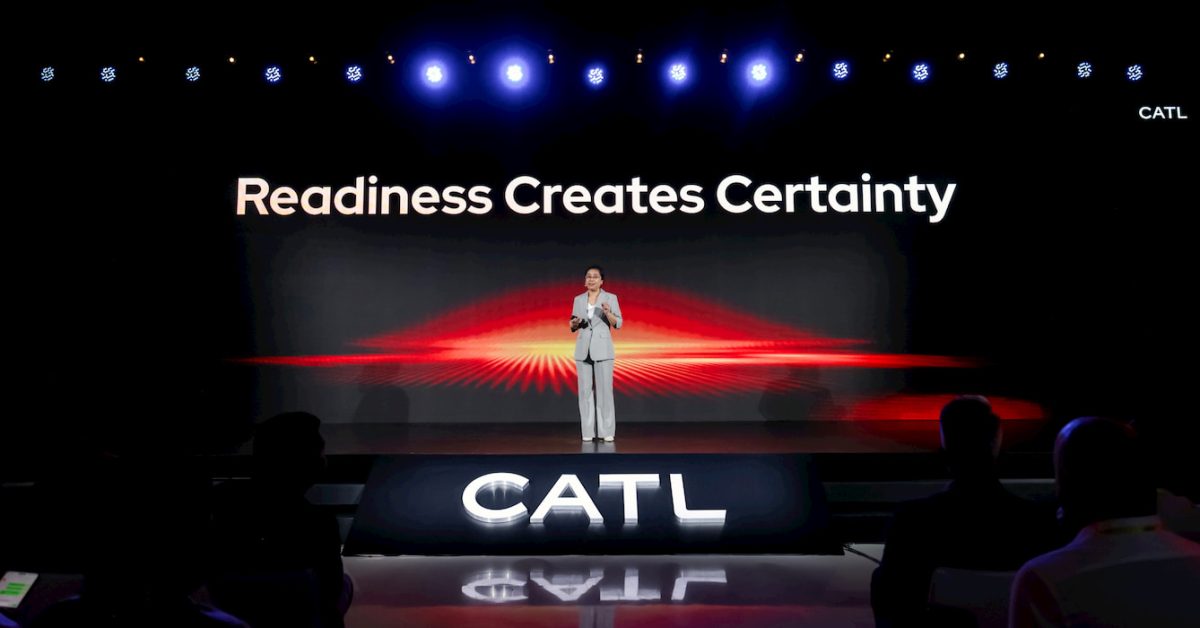
CATL has reached a new milestone in its solid-state battery development, successfully advancing to 20 Ah cells. The company, which currently holds a 39.9% share of the global EV battery market as of the first half of 2026, plans to initiate small-scale production of these units in 2027.
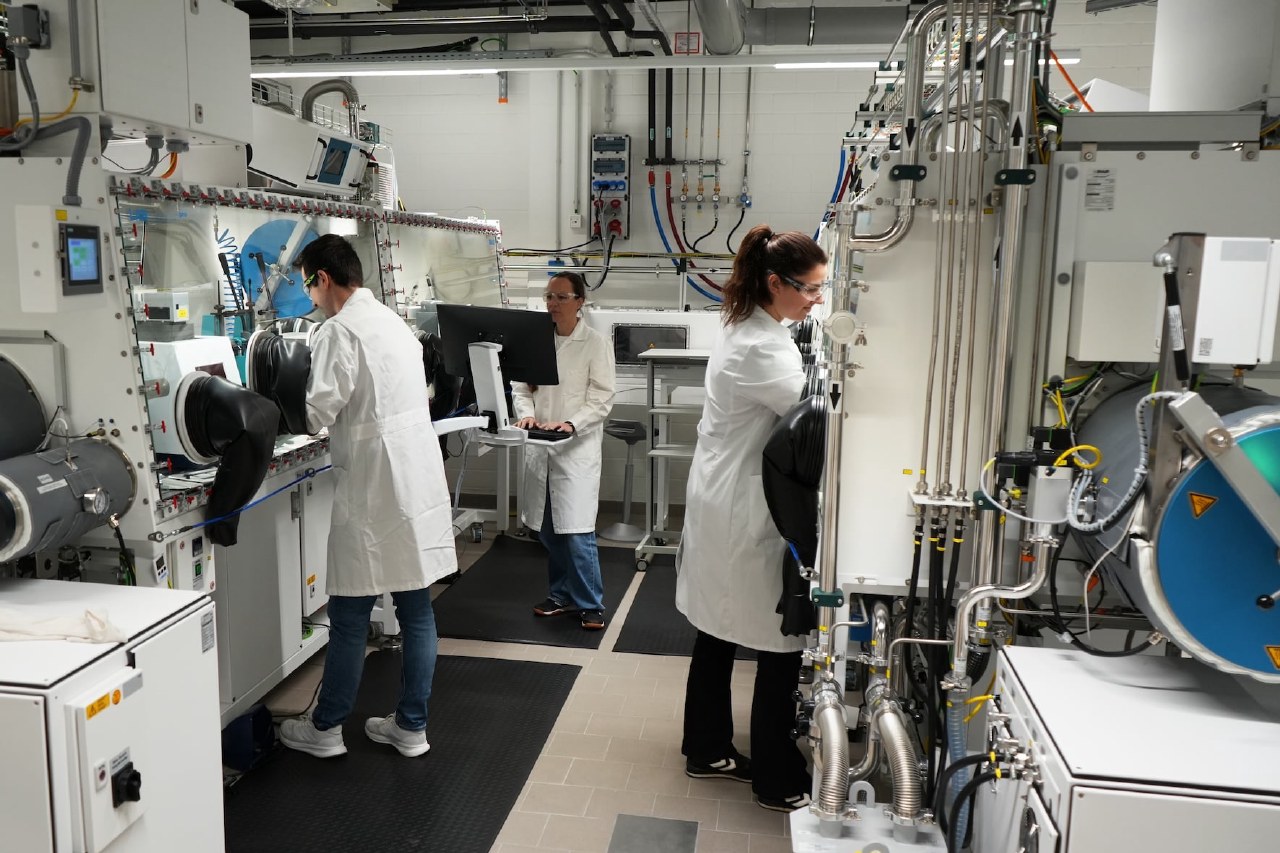
The manufacturer utilizes a sulfide-based solid electrolyte system to achieve high ionic conductivity. CATL aims for an energy density of 500 Wh/kg for these batteries. According to CEO Robin Zeng, the technology is currently at level four on a nine-point development scale.
The 2027 timeline for small-scale production aligns with broader industry trends. Competitors such as Toyota, Samsung SDI, and BYD also target 2027 or 2028 for the introduction of their own solid-state battery technologies, with mass production expected to scale up toward 2030.
While focusing on solid-state advancements, CATL and its rivals continue to develop lithium iron phosphate and sodium-ion chemistries. These efforts aim to provide more efficient and cost-effective alternatives to traditional lithium-ion batteries for future electric vehicles.