

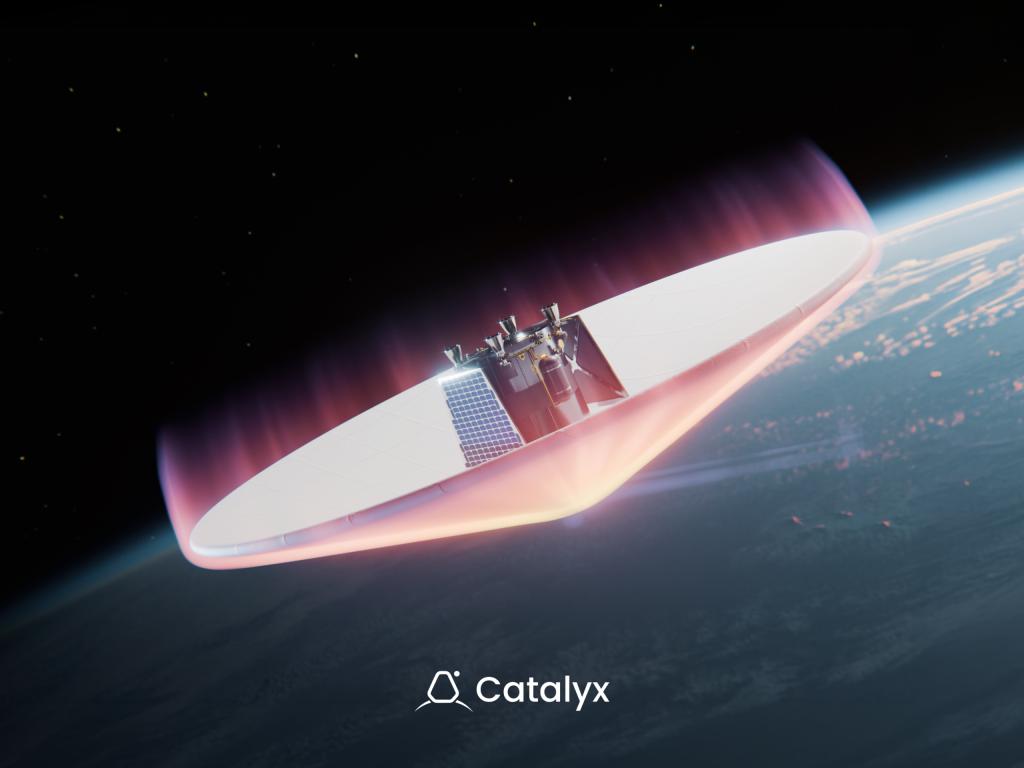
The American startup Catalyx Space is preparing for the first flight test of its ReX deployable heat shield. The mission is scheduled for mid-October and will involve a suborbital launch from India using an RH-300 sounding rocket. An experimental 10 kg craft will reach an altitude of 110 km before re-entering the atmosphere and splashing down in the Arabian Sea.
The core of the technology is a deployable shield that expands from a 25 cm diameter to one meter using a cable-tensioned system. This design replaces traditional rigid shields to allow for larger return vehicles. Catalyx intends to utilize ReX for rapid point-to-point cargo delivery on Earth and for returning materials produced in microgravity, such as pharmaceuticals.
The company has already conducted drop tests from an aircraft in June to verify parachute systems and deployment mechanisms. A larger test is planned for October 2027, aiming to return 5 kg of payload using a 75 kg craft with a two-meter shield. By 2028, Catalyx plans to scale up to a 2.5-ton capsule capable of returning 1.25 tons of cargo with an 8–10 meter shield.
The long-term roadmap includes the ReX Super Heavy project. This 20-ton vehicle is designed to feature a 26–30 meter heat shield and support the return of up to 12 tons of payload from orbit. While the company has previously launched a satellite into low Earth orbit, the upcoming October mission remains the critical test for validating the deployable shield under real atmospheric re-entry conditions.



