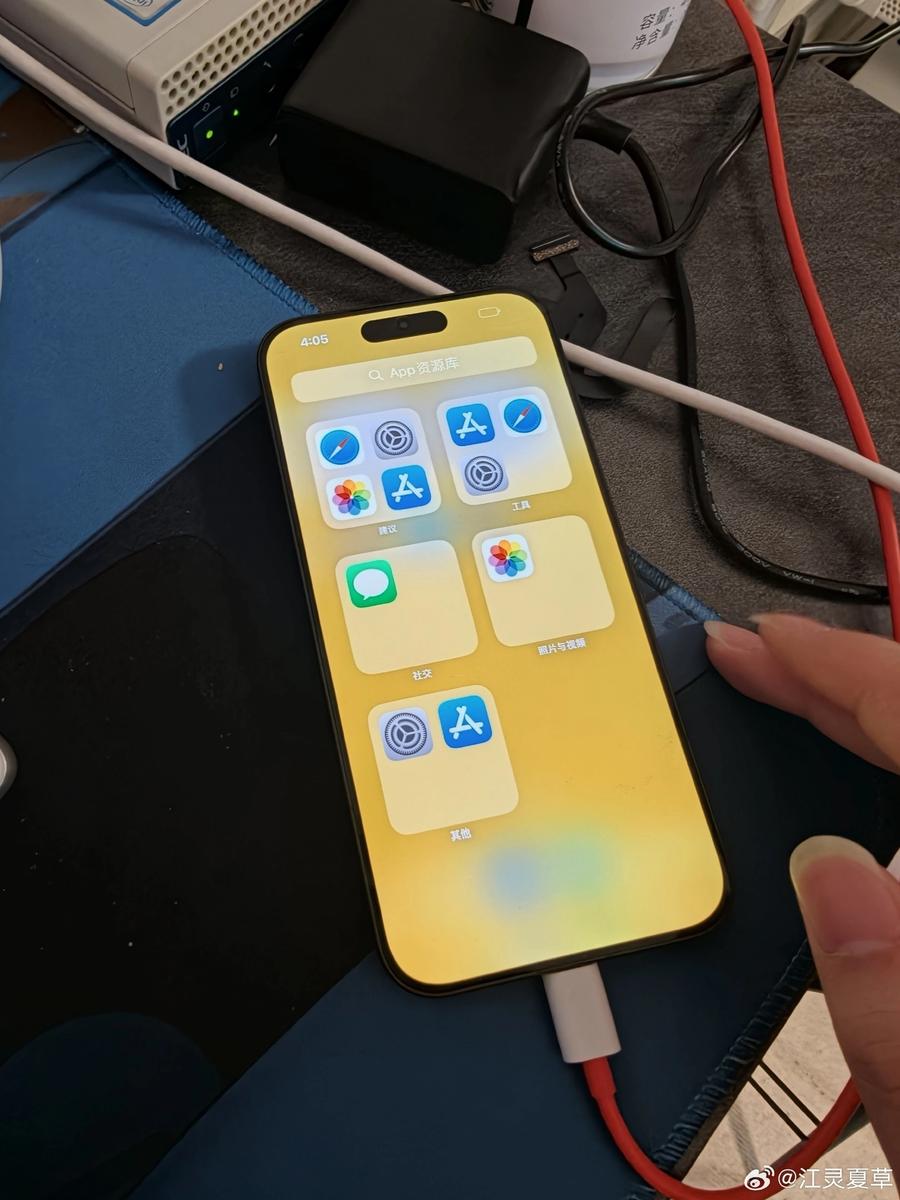
The developer has reached a new milestone in building a custom mobile operating system using Rust, focusing on userspace expansion. The system now supports GUI applications, file systems, and the execution of C and C++ code, including SQLite and the game DOOM.
The OS architecture utilizes an IPC-based service model where programs declare requirements and exports in manifests. A rootkeeper process manages connections between components, such as the launcher and display drivers, facilitating modularity across hardware like smartphones, Raspberry Pi, and QEMU.
File management is handled by imagefs for read-only access to the boot image and ramfs for temporary data storage in memory. The system integrates a C library layer, picolibc, and POSIX thread support to enable existing C and C++ applications to run on the custom kernel.
For graphical interfaces, the system uses the Slint library, which provides UI elements and event handling. Input from hardware, such as the Novatek NT36672A touchscreen, is processed through I2C drivers and a centralized input hub, ensuring consistent behavior across different platforms.