Optimizing the PL/I Compiler to Match C Performance
The pli-llvm compiler project has reached performance parity with C by optimizing its LLVM backend to leverage specific PL/I language semantics and efficient memory handling.

The pli-llvm compiler project has reached performance parity with C by optimizing its LLVM backend to leverage specific PL/I language semantics and efficient memory handling.

The pico-class project offers an open-source curriculum and hardware guide for building low-cost computer labs using RP2350 microcontrollers.

The integration of AI into software development has created a clear divide between personal automation tools and complex enterprise systems, each serving distinct operational needs.

Former Google engineer Julian Harris has criticized Microsoft's current software quality, contrasting it with the company's legacy of producing foundational programming literature.
Despite predictions of mass layoffs, the demand for human software developers has grown as AI tools increase the volume of code that requires oversight and maintenance.

Python 3.15.0 has been released with a major JIT compiler upgrade, new profiling tools, and improved support for free-threaded builds.

Kotlin 2.5.0-Beta1 introduces experimental companion blocks and extensions, enabling static-like members and enhancing cross-platform compatibility.

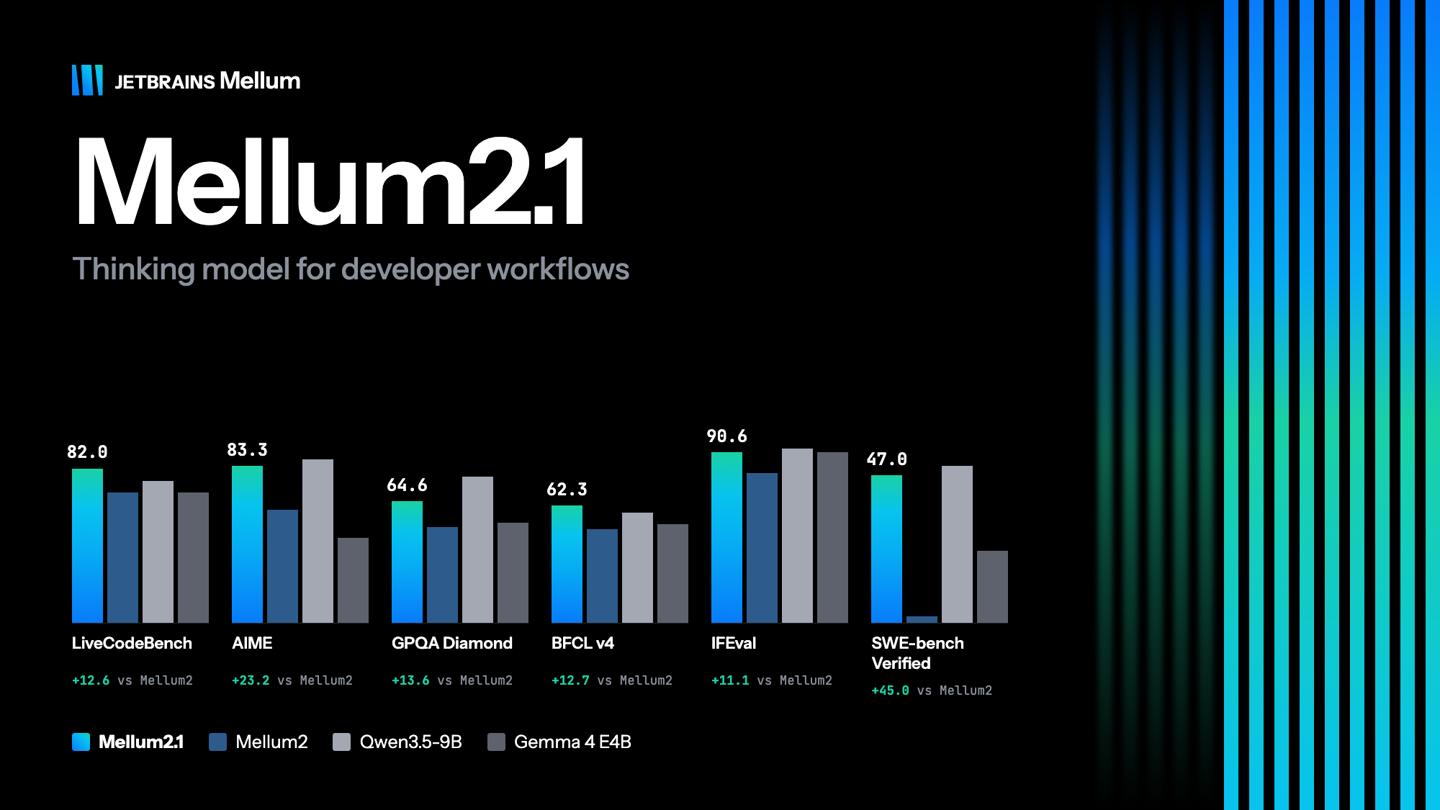
JetBrains has launched the Mellum 2.1 AI model, featuring enhanced agentic programming capabilities and double the inference throughput of Qwen 3.5-9B under high load.

A C++ implementation of a ring buffer uses virtual memory mapping to enable seamless data access without the need for memory reallocation or redundant copying.

An interview with CTO Alexander Malkov explores the current state of C++ development, the impact of AI on coding practices, and the essential skills required for high-load system engineering.

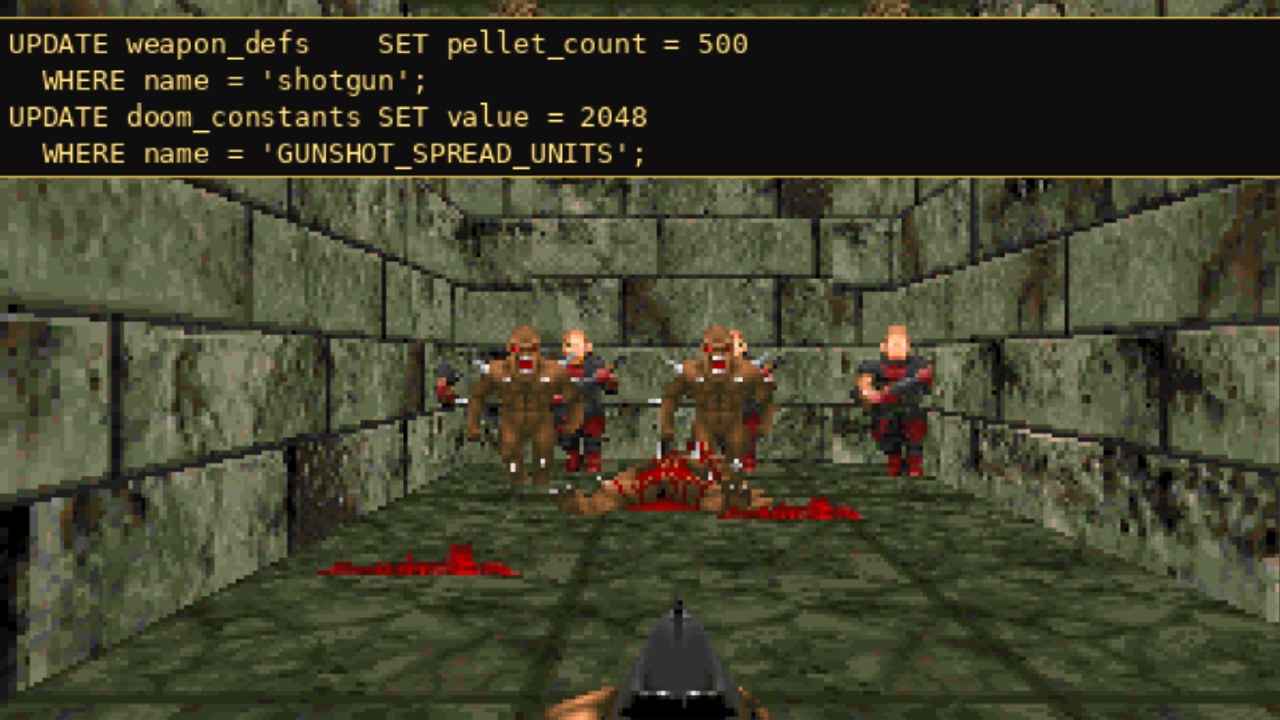
Developer Vogel has ported the classic game Doom to run inside the CedarDB database using 5,900 lines of SQL code.

Microsoft has elevated Rust to a Tier-1 programming language, integrating it into its core development infrastructure alongside C++ and C#.
AI is generating code that human engineers can no longer decipher, leading to a shift in roles and concerns over the long-term impact on software development skills.

Rust offers embedded developers a way to enforce architectural constraints at compile time, using ownership and type systems to manage hardware resources safely.

As AI automates code generation, Domain-Driven Design principles become essential for guiding agents and ensuring software projects solve actual business problems.

Modifications to CPython's internal generator handling have yielded a performance boost of up to 1.53x by eliminating redundant exception object allocations.

The rapid adoption of AI in software development raises concerns about architectural sustainability, process management, and the risks of autonomous agent errors.

A new version of the jasper-modular library aims to modernize the integration of the long-standing JasperReports engine into contemporary Java applications.

The Cardano Foundation has launched Mesmo, a native library that enables developers to access core blockchain operations in Python, Go, Rust, and JavaScript without a Java runtime.

Huawei has updated its Cangjie programming language to version 1.2.0, introducing expanded cross-platform support, compiler optimizations, and enhanced toolchain capabilities.