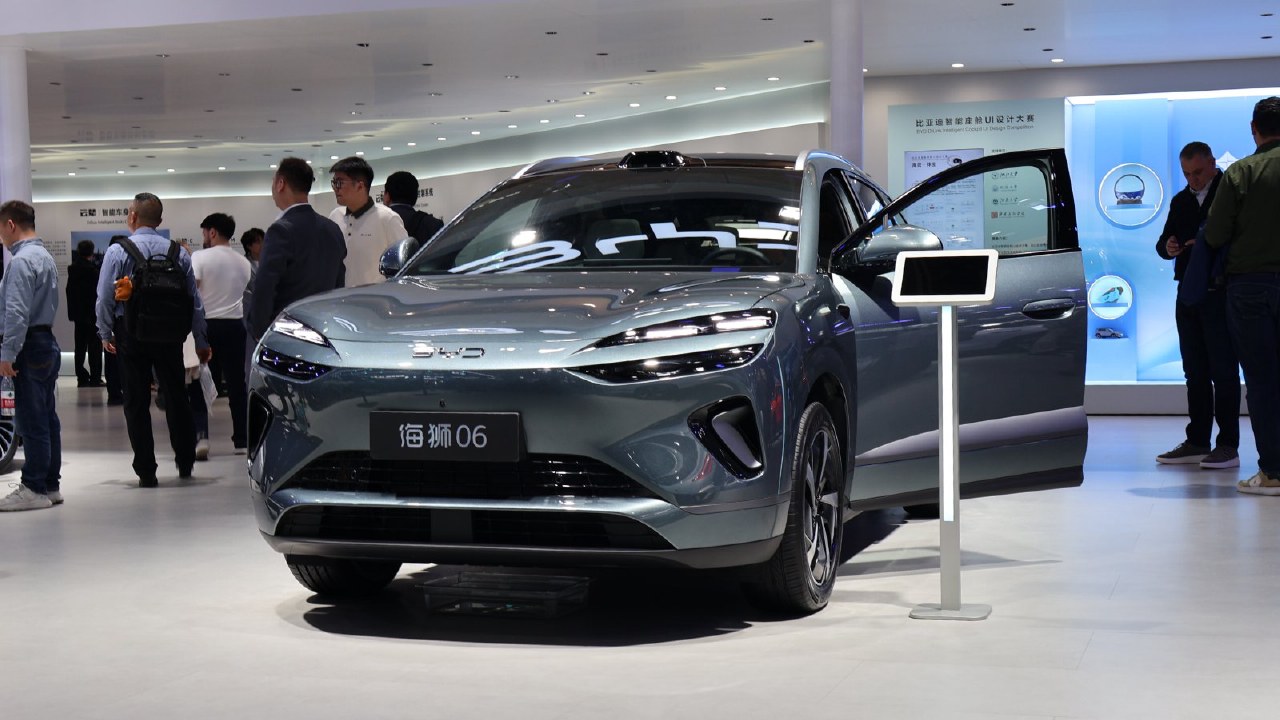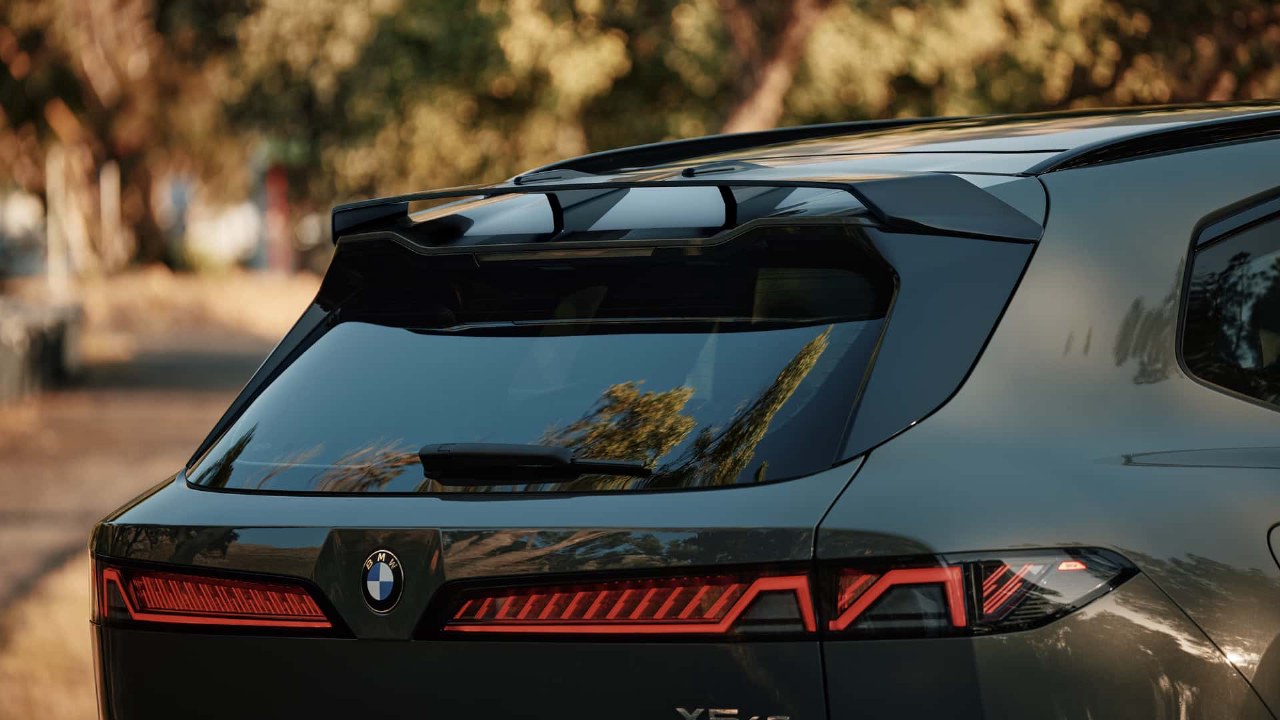
BMW CEO Milan Nedeljković stated that some Chinese vehicles are sold in Europe at prices that lack a clear business rationale. He warned that such pricing distortions could trigger protectionist measures across the region. Instead of supporting higher tariffs, the executive advocates for negotiated solutions between Europe and China to ensure fair market conditions.
The European Union has already implemented additional duties on electric vehicles manufactured in China, with rates ranging from 17 percent to 35.3 percent. Nedeljković expressed concern that further tariff escalations could lead to retaliatory actions, such as restrictions on the supply of battery cells, which are critical for the European automotive industry.
BMW faces significant competitive pressure in China, where its sales dropped from 847,900 units in 2021 to 626,000 units in 2025. Meanwhile, European manufacturers are discussing an industrial framework that would require 70 percent of vehicle components to be sourced within the region. Research suggests this could increase the retail price of an electric vehicle by over €2,000.
Despite the current market tensions, BMW continues to benefit from international trade, producing vehicles like the electric Mini Cooper and Aceman in China for export to Europe. The company maintains that it supports free trade and competition, provided that market conditions remain transparent and are not distorted by state subsidies or incomprehensible pricing strategies.