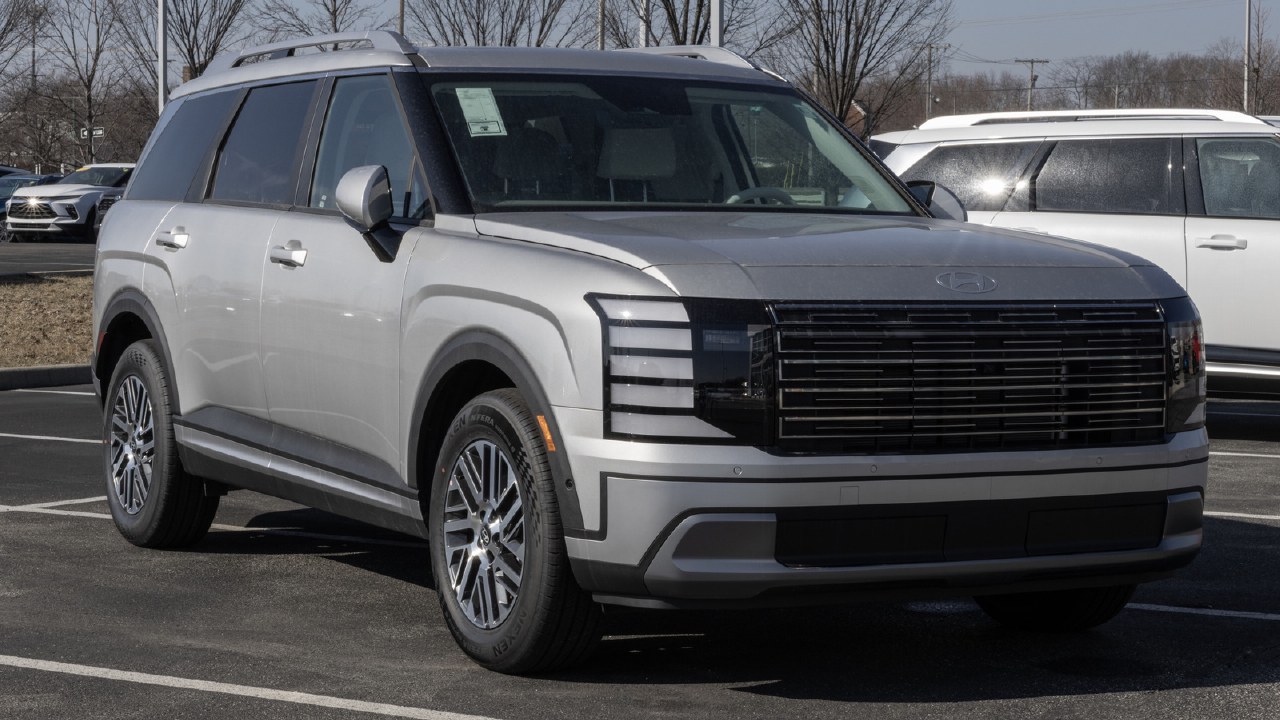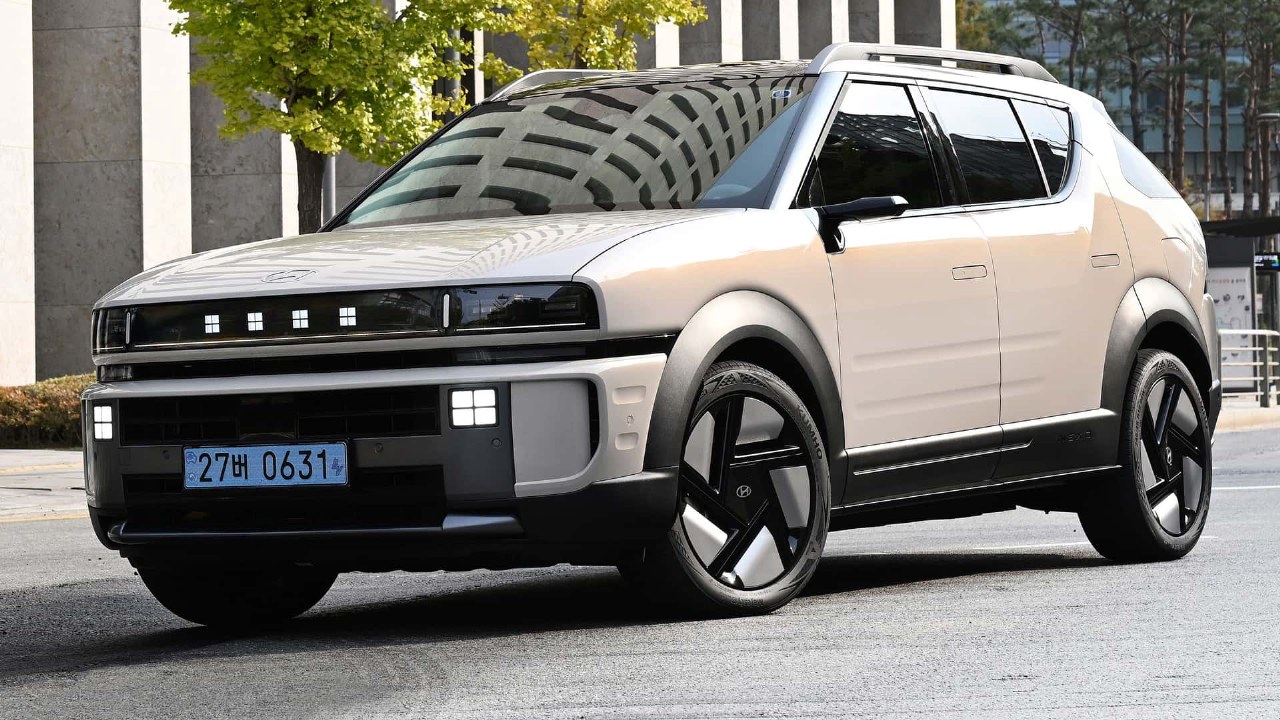
Hyundai continues to evaluate its next-generation fuel-cell passenger vehicles despite significant market challenges. Scott Nargar, a senior manager at Hyundai Australia, identified the lack of consumer demand and limited refueling infrastructure as the primary obstacles to widespread adoption.
The automotive industry remains divided on hydrogen technology. While Toyota and BMW strengthened their partnership in 2024 to co-develop a third-generation fuel-cell system, other major manufacturers are shifting their focus entirely to battery-electric vehicles.
Several companies have recently abandoned their hydrogen programs. Mercedes-Benz stopped developing fuel-cell passenger cars, and Honda ended production of the Clarity Fuel Cell. Additionally, Stellantis canceled its hydrogen van program in 2025, citing a lack of commercial viability and infrastructure.
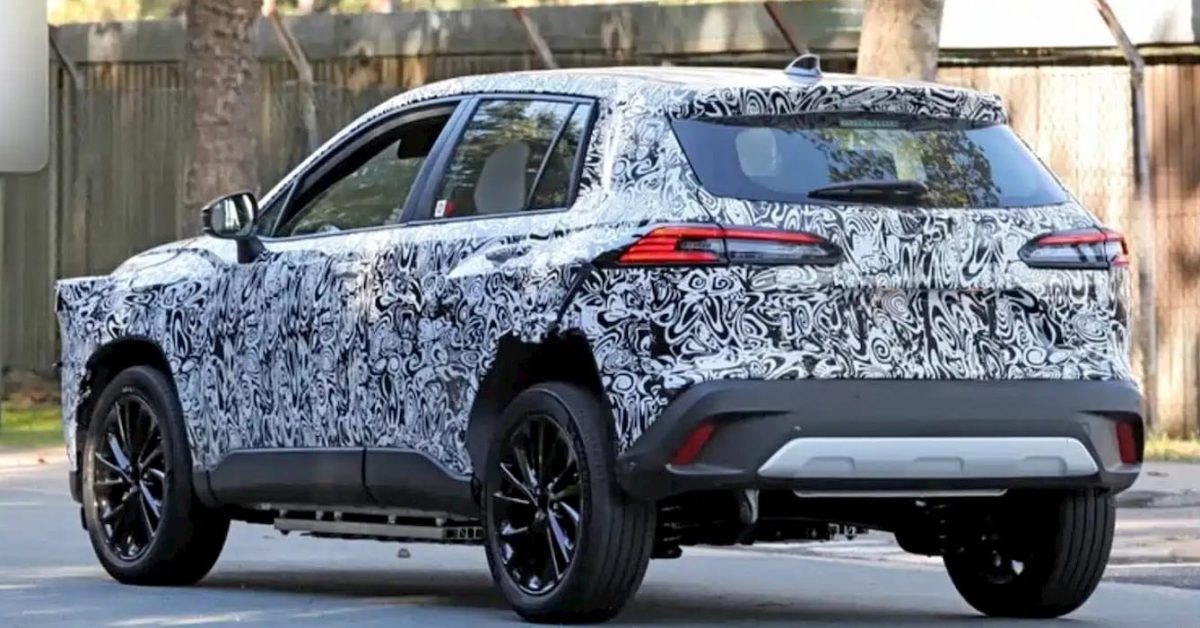
General Motors has also ceased development of next-generation fuel-cell technology to prioritize battery-electric models. Despite these exits, BMW plans to launch the iX5 Hydrogen later this decade, and Toyota intends to release a hydrogen-powered Hilux by 2028.