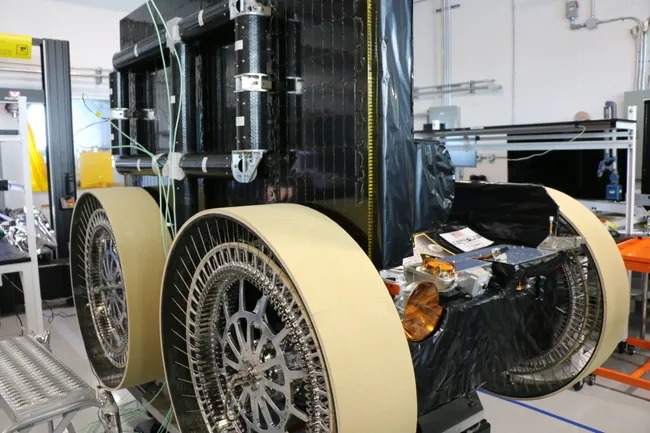
Astrolab is preparing to launch its FLIP lunar rover to the Moon's south pole later this year as part of the Griffin Mission 1. The mission, supported by NASA's Commercial Lunar Payload Services program, will feature the first deployment of a supercomputer on the lunar surface.
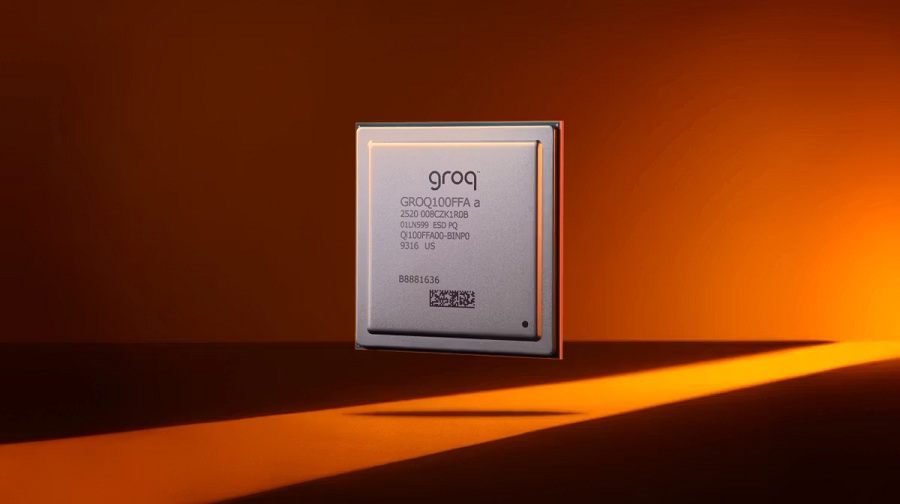
The rover will carry HPE's Spaceborne Computer-4, a compact, fanless module equipped with a GPU-accelerated 64-bit CPU and Kioxia SSD storage. The system is designed to withstand extreme lunar temperatures and operate for up to a year, including during 150-hour-long lunar nights.
The primary goal is to test the reliability of high-performance computing and AI in the harsh lunar environment. The computer will process visual data for autonomous navigation, mapping, and terrain analysis, utilizing machine learning algorithms originally developed by NASA's Jet Propulsion Laboratory for Mars missions.
The mission serves as a critical test for semi-autonomous operations, as the rover is expected to travel hundreds of kilometers. Beyond the FLIP rover, the Griffin-1 mission will also transport the CubeRover, the LandCam-X navigation system, and the Nanofiche GLPH human archive to the Moon.