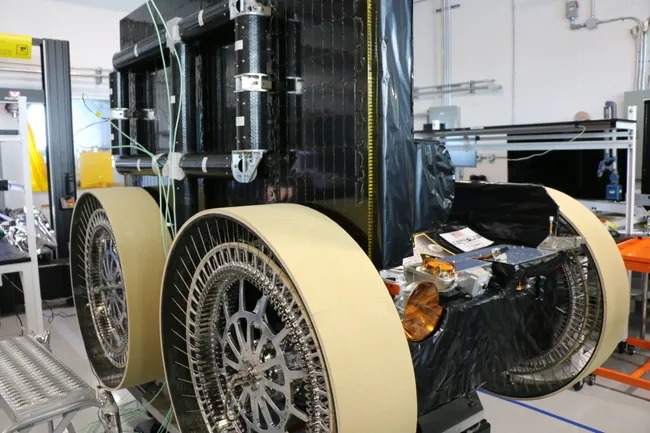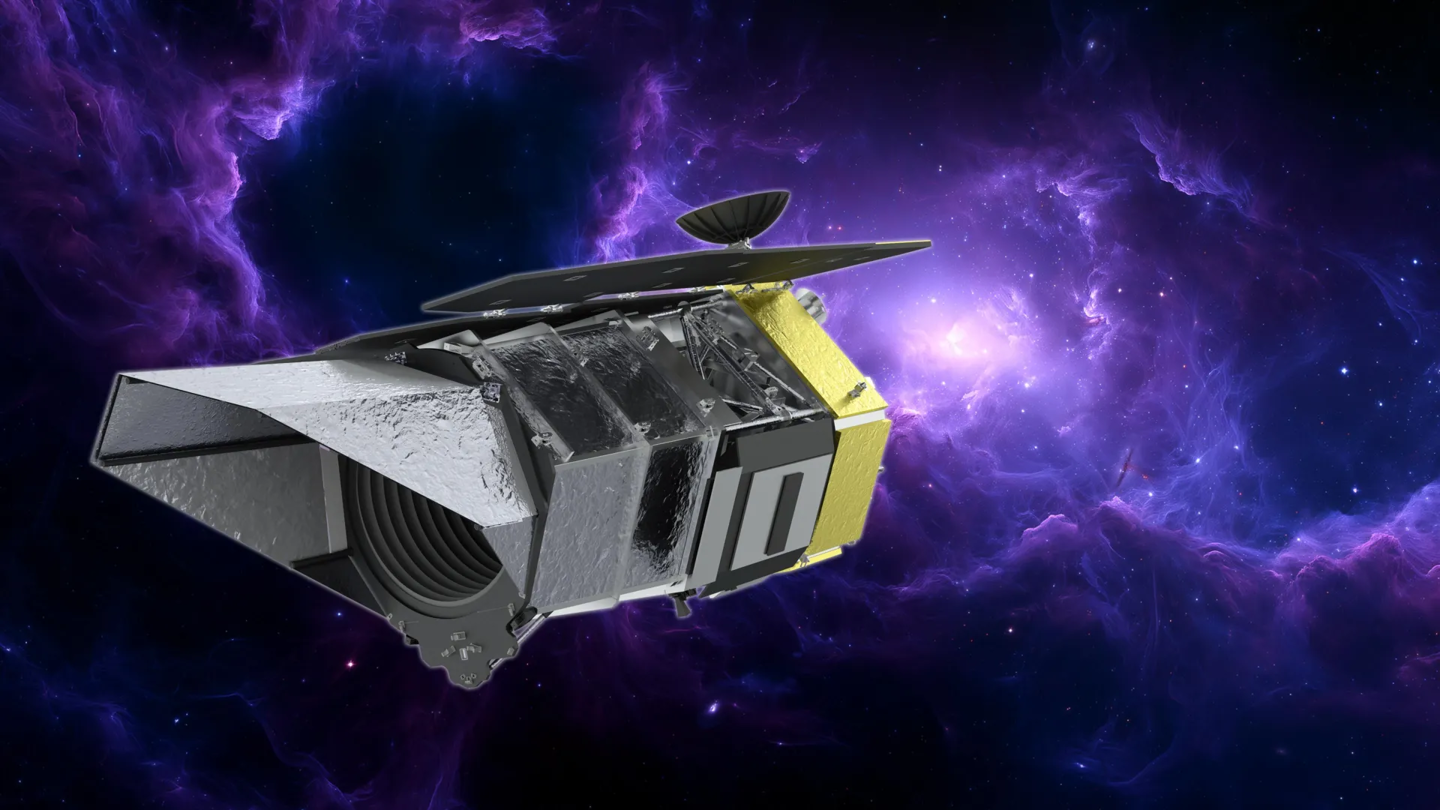
NASA announced that the Nancy Grace Roman Space Telescope has exceeded its initial performance expectations during orbital testing. The optical precision of its Wide Field Instrument is nearly 30 percent better than the original design specifications.
Engineers achieved these results by performing precise adjustments to the telescope's secondary mirror. By moving the component by one-sixteenth of a human hair's width, the team reduced the optical error from the planned 90 nanometers RMS to 63 nanometers RMS.
The telescope is scheduled for launch on August 30, 2026, aboard a SpaceX Falcon Heavy rocket. Its primary mission involves large-scale sky surveys to investigate dark energy, dark matter, and exoplanets.
NASA confirmed that these test results validate the reliability of their ground-based optical models. The improved imaging capabilities will allow scientists to obtain sharper data on the shape, position, and brightness of distant galaxies.