

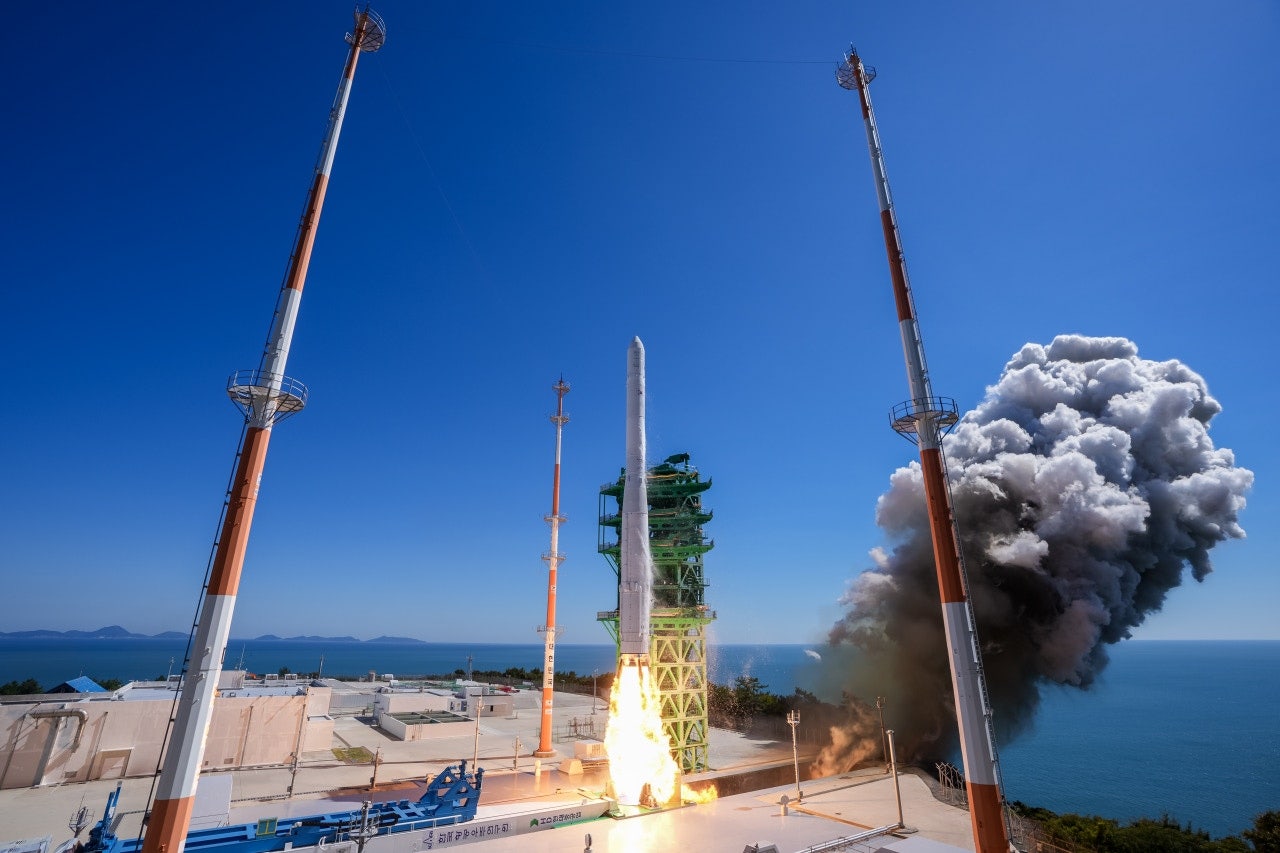
South Korea successfully launched its three-stage Nuri rocket for the fifth time from the Naro Space Center. The mission carried the SD-1Sat, a 3U cubesat developed by the startup Space & Bean.
The SD-1Sat mission aims to test a protective enclosure designed to shield commercial off-the-shelf components from radiation, thermal stress, and vibration in orbit. This technology could allow operators to avoid using expensive space-rated hardware.
The satellite also carries the ArbaEdge module from ArbaLabs. This system performs real-time verification of onboard AI models by creating a digital mirror of the autonomous process to detect errors or hallucinations.
ArbaEdge generates lightweight verification data of up to two megabytes. This approach helps satellite operators reduce the volume of data transmitted from orbit while ensuring the integrity of AI-driven autonomous systems.
ArbaLabs plans to expand its verification technology beyond space applications. The company is currently developing solutions for physical AI systems, including autonomous vehicles, drones, and humanoid robots, with a focus on implementing safety kill-switches.



