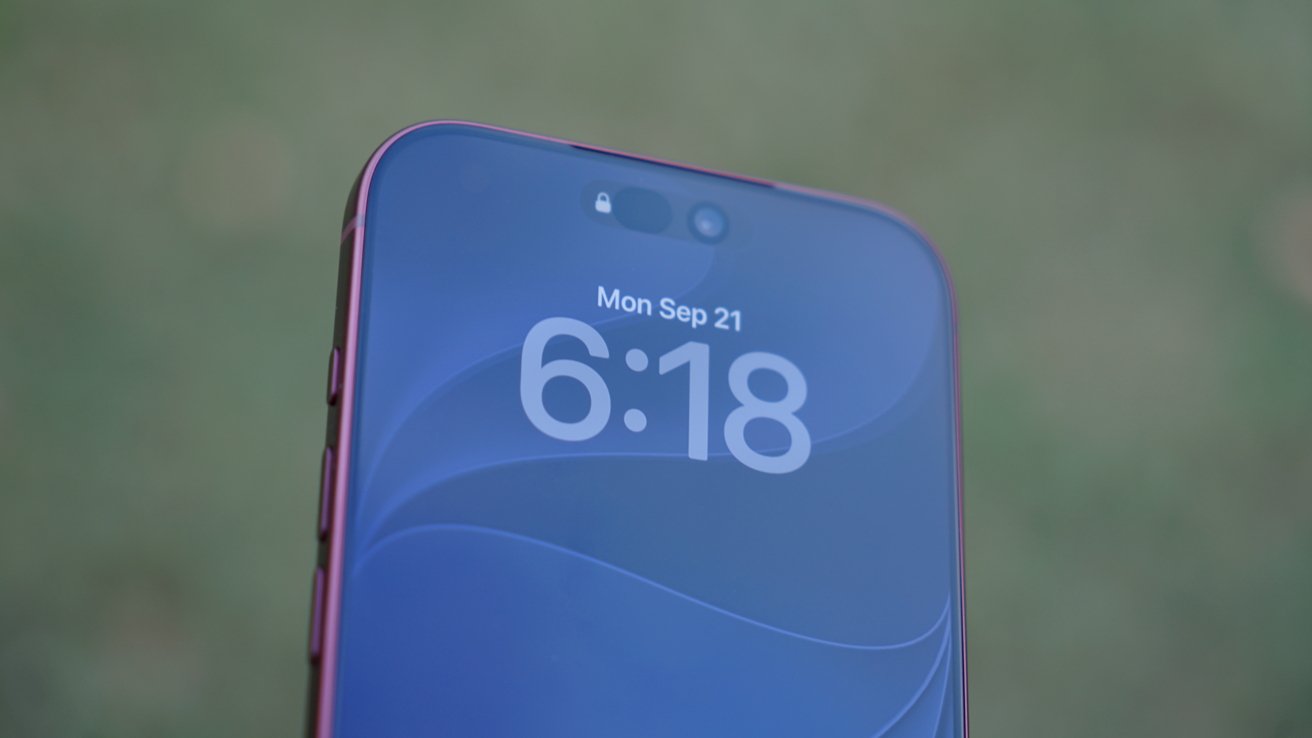
Apple is updating the Face ID architecture for the iPhone 18 Pro series. The new system adds an extra image verification layer to the existing infrared and depth-mapping process. This change is designed to maintain authentication performance as the company transitions to under-display components.
The iPhone 18 Pro features Face ID components placed beneath the display. To ensure functionality, the device temporarily disables pixels in the sensor area during authentication. Analysts suggest that the additional image data helps compensate for the complexity of this new hardware layout, ensuring that unlocking speeds remain fast.
A new independent security unit called Secure Exclave has been introduced to handle specific authentication tasks. It operates in isolation from the main system, meaning data processed here cannot be accessed by iOS, third-party apps, or Apple itself. Secure Exclave processes the new image data, while the traditional Secure Enclave continues to manage depth and infrared biometric information.
The system performs cross-verification between the data from the Secure Enclave and the Secure Exclave to confirm user identity. Apple states that this multi-layered approach improves overall execution efficiency without compromising security standards. The company maintains that image recognition alone is not a standalone authentication method but serves as a supplement to existing sensors.
Some iPhone 18 Pro users have reported issues with Face ID, including slower recognition speeds and occasional authentication failures. Apple has not confirmed if these problems are directly linked to the new architecture, but the company expects to address these concerns through future system updates.