Amazon plans to launch its satellite internet service in the coming weeks. The company has already manufactured 1000 satellites for its broadband constellation, with a current production rate of 27 units per week at its facility in Kirkland, Washington. For comparison, the initial batch of 27 satellites took six months to build.
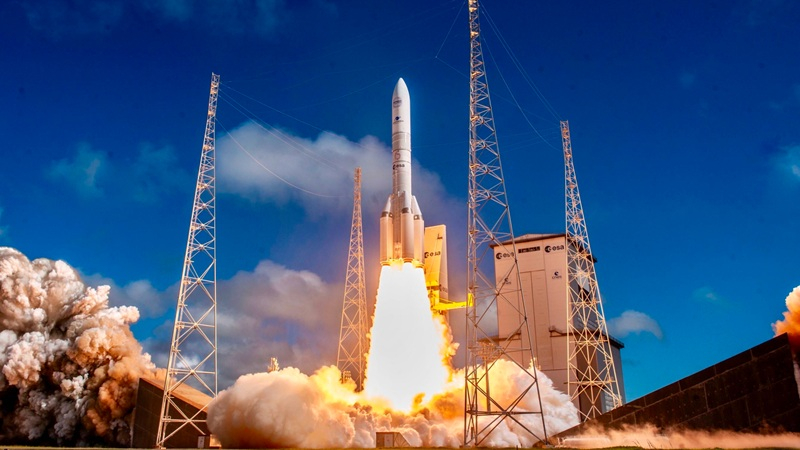
Rajeev Badyal, head of the Amazon Leo project, confirmed upcoming launches on Vulcan rockets and an Arianespace mission using an Ariane 6 vehicle. At least one additional Vulcan launch is scheduled before the end of the year. Currently, 396 satellites remain in orbit, a figure unchanged since July due to technical issues with the Vulcan rocket and the loss of a Blue Origin New Glenn rocket in May.
The company faces regulatory challenges after failing to meet a July 30, 2026, deadline to have 1616 satellites in orbit. Consequently, the FCC revoked Amazon's priority rights for Ka and Ku frequency bands, forcing its satellites to yield to Starlink signals. However, the FCC may restore these rights by October 2027 if Amazon demonstrates sufficient progress in manufacturing and launch bookings.
Amazon aims to deploy a total of 3232 satellites for its first-generation constellation. The company has already secured approximately 100 launch contracts with four different operators. Additionally, development of the second-generation satellite project is currently underway, with plans already submitted for regulatory approval.