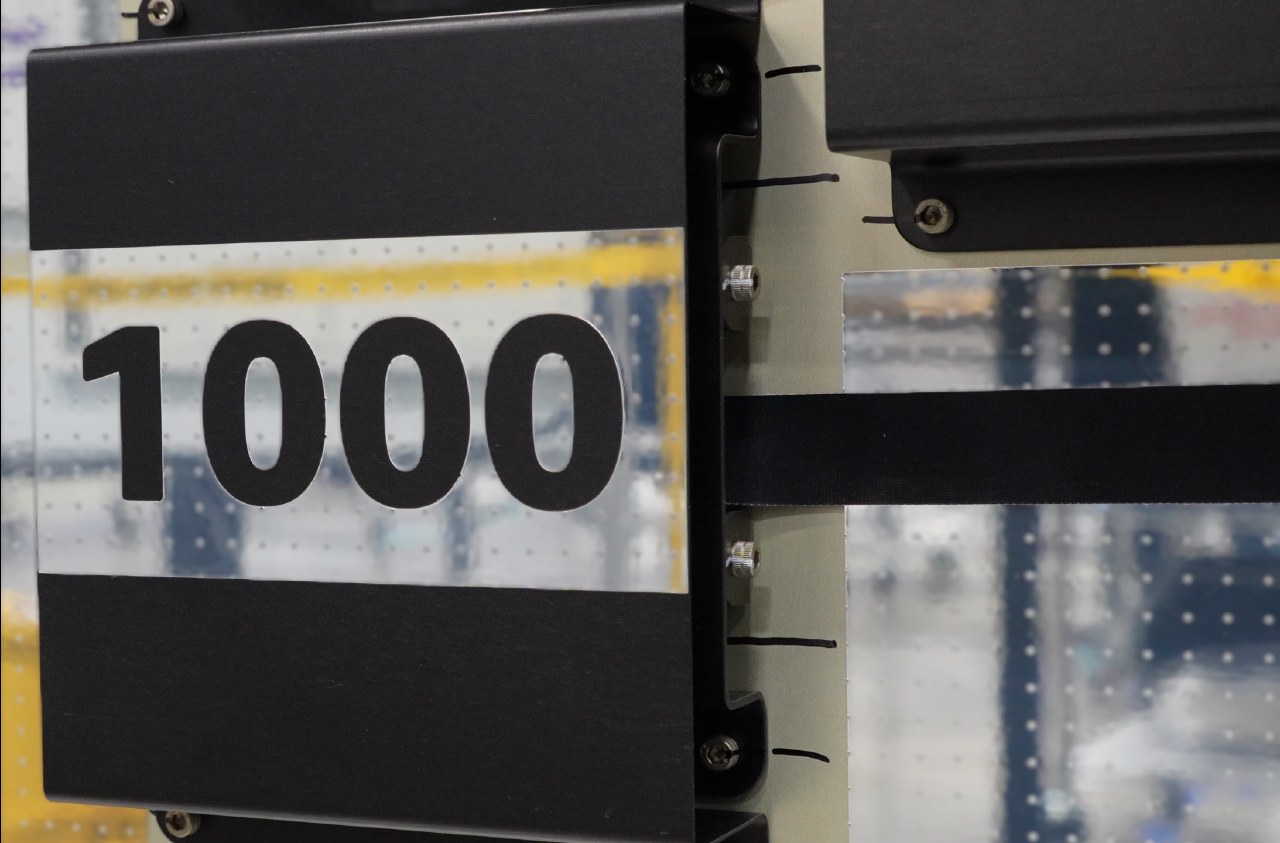
Amazon has manufactured its 1,000th satellite at its facility in Kirkland, Washington. The company is currently weeks away from launching its commercial space-based broadband service. The project, led by Rajeev Badyal, aims to provide global high-speed internet access, positioning Amazon as a competitor to SpaceX.
The production process has scaled significantly, moving from an output of 27 satellites in six months to 27 units per week. The company utilized a 170,000-square-foot facility, which was converted into a factory over 15 months starting in December 2022. Amazon employs vertical integration for high-value components, including its in-house propulsion system.
To address testing bottlenecks, Amazon adapted high-volume procedures from consumer electronics, reducing testing times from days or weeks to hours. The company currently has 396 satellites in orbit and plans to launch initial commercial services in 2026. The network is designed to deliver speeds of 1 gigabit on the downlink and 400 megabits on the uplink.
Amazon maintains a diverse launch strategy, partnering with ULA, Blue Origin, Arianespace, and SpaceX. The company is preparing for upcoming missions on the Vulcan rocket, with infrastructure now capable of processing two rockets simultaneously. Delta Airlines has already signed an agreement to utilize Amazon’s satellite internet service for its aircraft.