The use of AI-driven coding tools is accelerating the development of custom firmware for various music hardware, including synthesizers, samplers, and effects pedals. Previously, such modifications required significant time and technical expertise, but now hobbyists can implement new features in days using large language models like Claude.
Recent custom firmware releases have targeted devices from manufacturers such as Elektron, Roland, Ableton, Akai, Novation, Arturia, and Zoom. A notable example is the M-Vave FM-1, a $70 synthesizer clone that has received dozens of community-developed firmwares, including projects like Felucca, Sloop, and x0x, which explicitly credit AI assistance.
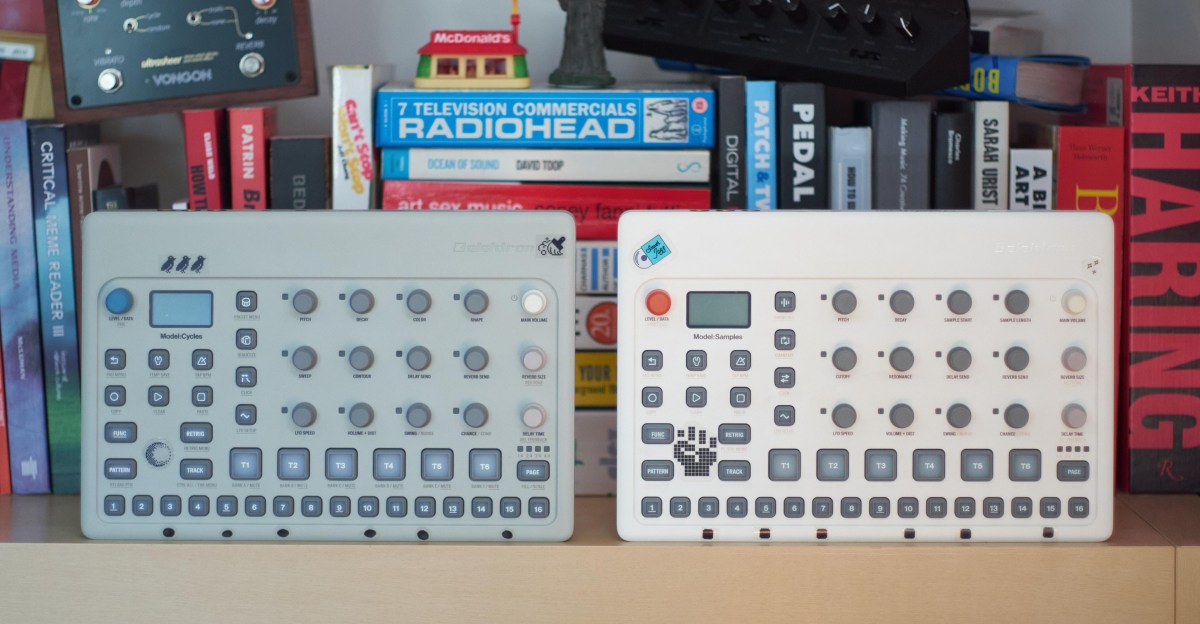
Developers are using AI to revitalize older or budget-friendly gear. For instance, the Zoom MS-70CDR pedal was modified to run amp modeling, while the Elektron Model:Cycles received a community-driven update enabling six-track audio over USB after the manufacturer ceased official support in May 2021.
The industry response to these modifications is varied. Elektron has officially warned against firmware modifications, citing risks of bricking devices and potential confusion regarding official feature sets, and has banned links to custom firmware on its forums. Conversely, M-Vave has introduced the FM1 Open initiative, providing an open-source firmware and development tools.