Researchers from UC Santa Barbara, ETH Zurich, and Miguel Hernandez University have utilized deep learning to refine electrical stimulation of the visual cortex. The study, published in the journal Neuron on August 7, 2026, aims to improve the precision and energy efficiency of visual prosthetic devices.
The experiment involved a 27-year-old male participant who lost his sight due to traumatic brain injury. Scientists implanted a temporary 96-electrode array into his visual cortex to induce phosphenes, which are visual sensations like flashes or shapes generated without external light.
The team trained a deep neural network to correlate electrical stimulation patterns with brain neural activity. By incorporating the brain's resting state into the model, the AI predicts neural responses more accurately than traditional methods, allowing for dynamic adjustments to electrical signals.
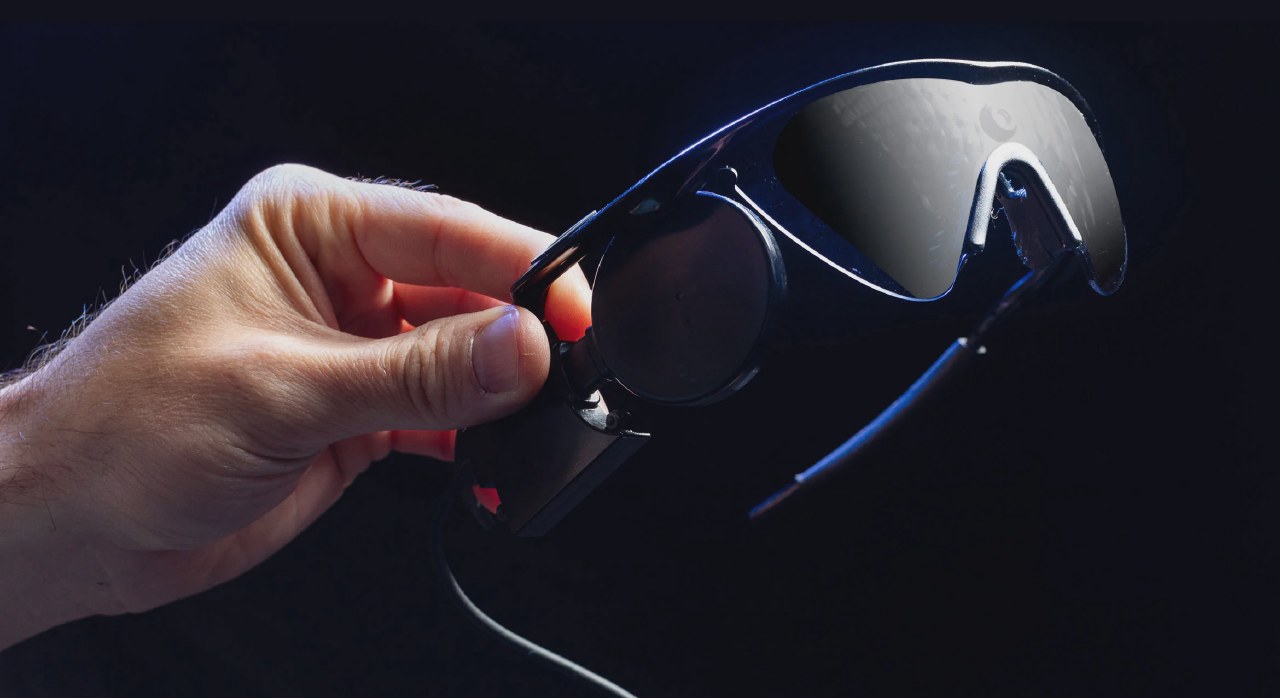
The study demonstrates that AI-optimized stimulation requires less current to activate target neurons. Participants provided feedback on perceived brightness, size, and shape, which helped calibrate the model. The device functions by both stimulating neurons and recording brain activity.
The researchers emphasize that this is an early-stage proof of concept. While the technology shows potential for helping those who lost their vision due to injury or disease, current results are limited to basic phosphenes and do not yet restore complex, functional vision.