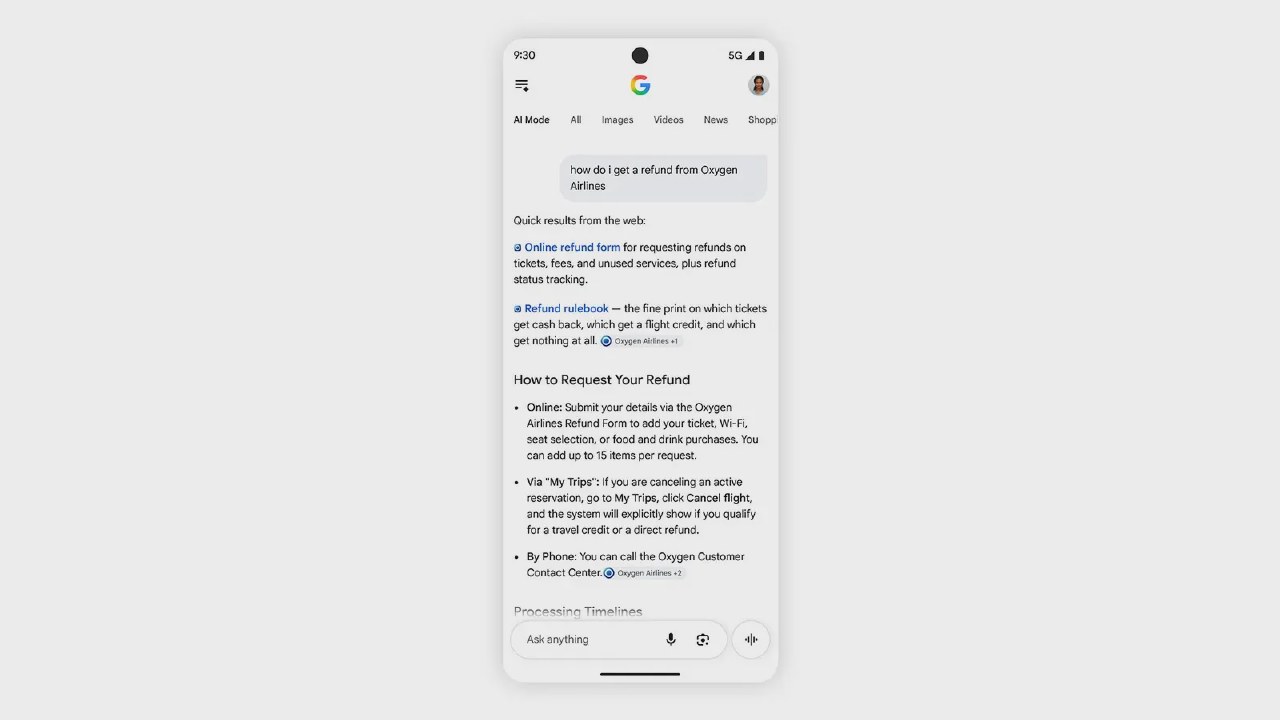
Researchers from the University of Copenhagen analyzed 27 large language models to evaluate the diversity of information they provide. The study found that even the most effective AI models offer nearly 19 percent less variety in their responses compared to standard Google search results.
The analysis involved 155 distinct topics, ranging from nuclear weapons to K-pop music. Scientists processed 200 types of queries based on real-world chatbot usage, resulting in a dataset of 70 million individual responses.
OpenAI GPT-5 demonstrated the highest level of response diversity among the tested models. However, it still lagged behind Google search results by 18.5 percent in terms of information variety.
The study suggests that AI models tend to repeat and prioritize dominant viewpoints while neglecting alternative perspectives. This trend risks narrowing the scope of human knowledge and limiting access to diverse information sources.
Researchers noted that while AI models are becoming more diverse over time compared to older versions, they still create a feedback loop where popular content dominates. This shift changes both the methods of information retrieval and the accessibility of knowledge.