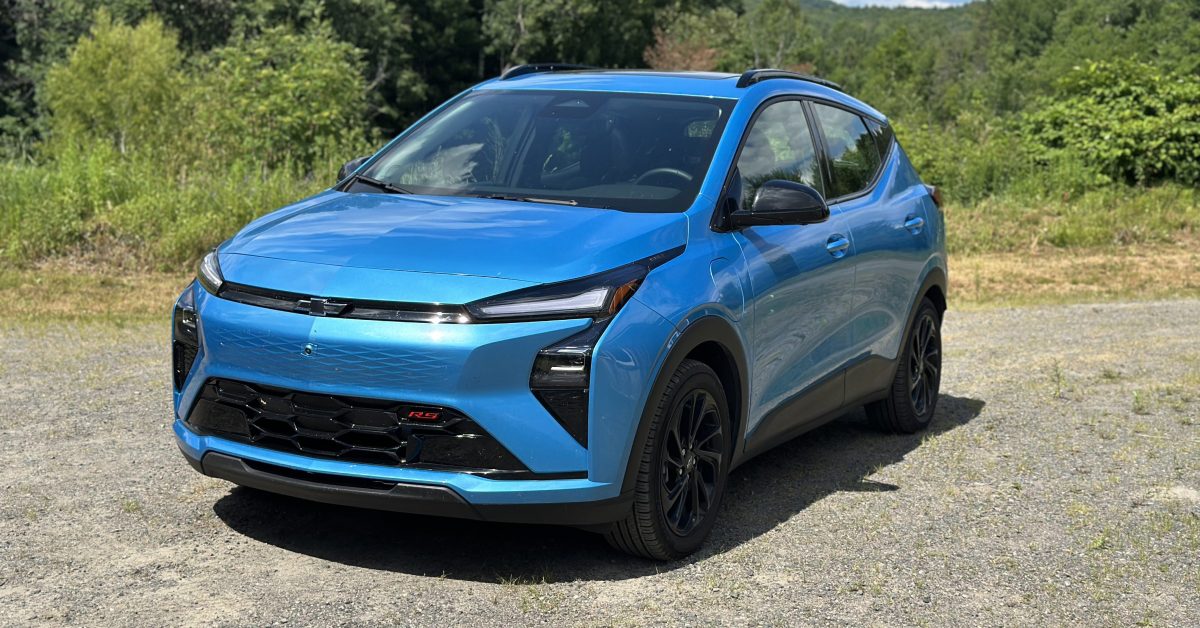
The 2026 Chevrolet Bolt EV features a new LFP battery pack with a rated range of 422 km. During testing, the vehicle achieved an average efficiency of 5.9 km/kWh over 854.2 km. The car is built on a 400-volt architecture and includes a NACS charging port, supporting GM's Energy Pass for automated authentication at compatible stations.
Charging performance remains a primary concern. While official data indicates a 10-80% charge time of 33.3 minutes with a peak power of 157 kW, real-world testing showed inconsistent results, including an unexpected session termination at 66% state of charge. The vehicle also supports V2X capabilities, allowing it to power a home when connected to the GM Energy system.
The interior is equipped with an 11-inch driver display and an 11.3-inch center touchscreen running the Google Built-In infotainment system. Ergonomics include physical HVAC controls and a gear selector that initiates the vehicle upon entry. However, the cabin features extensive hard plastics, narrow seating, and limited rear headroom for passengers exceeding six feet.
Driving dynamics are characterized by a gradual torque delivery and a noticeable throttle delay. The vehicle utilizes a blended braking system that requires adjustment, and the front-wheel-drive configuration can lead to torque steer on uneven surfaces. The model lacks a front trunk, though it offers a standard-sized rear cargo area.