Russia Explores AI-Driven VPN Blocking Strategies
Russian authorities have evaluated using AI to detect and block VPN services, aiming for a 95% efficiency rate by 2030, though experts warn of significant risks to legitimate business traffic.
Standard Android VPN indicators do not guarantee actual connectivity, prompting the development of a custom monitoring tool to verify real-time traffic flow.
A macOS user attempted to debug a Claude account ban by analyzing system logs, ultimately developing a routing configuration to maintain access to work tools while using a VPN.

The Russian Ministry of Digital Development is discussing a proposal to charge users for international traffic exceeding 50 GB on 5G networks, though technical hurdles currently prevent implementation.

Solar Group has released the Zastava 9 network security suite, featuring eight hardware models and new Zero Trust capabilities to help organizations reduce operating costs by up to 15%.
Anthropic is actively terminating user accounts for Claude due to VPN usage, with reports of blocks emerging from restricted regions including Russia and Hong Kong.

Anthropic is mass-blocking accounts using VPNs to access Claude, citing stricter enforcement of regional restrictions following allegations of industrial model distillation by Chinese firms.

Anthropic is suspending Claude accounts that utilize VPNs, citing security concerns and unauthorized access, following allegations of industrial model distillation by Chinese firms.
The Russian Ministry of Digital Development proposes a one-year ban on hosting services for users who host restricted VPNs on domestic servers under the new Anti-fraud 3.0 package.

A new U.S. bill, H.R. 10364, proposes a legal framework to force ISPs, DNS providers, and VPN services to block foreign piracy sites under federal court orders.

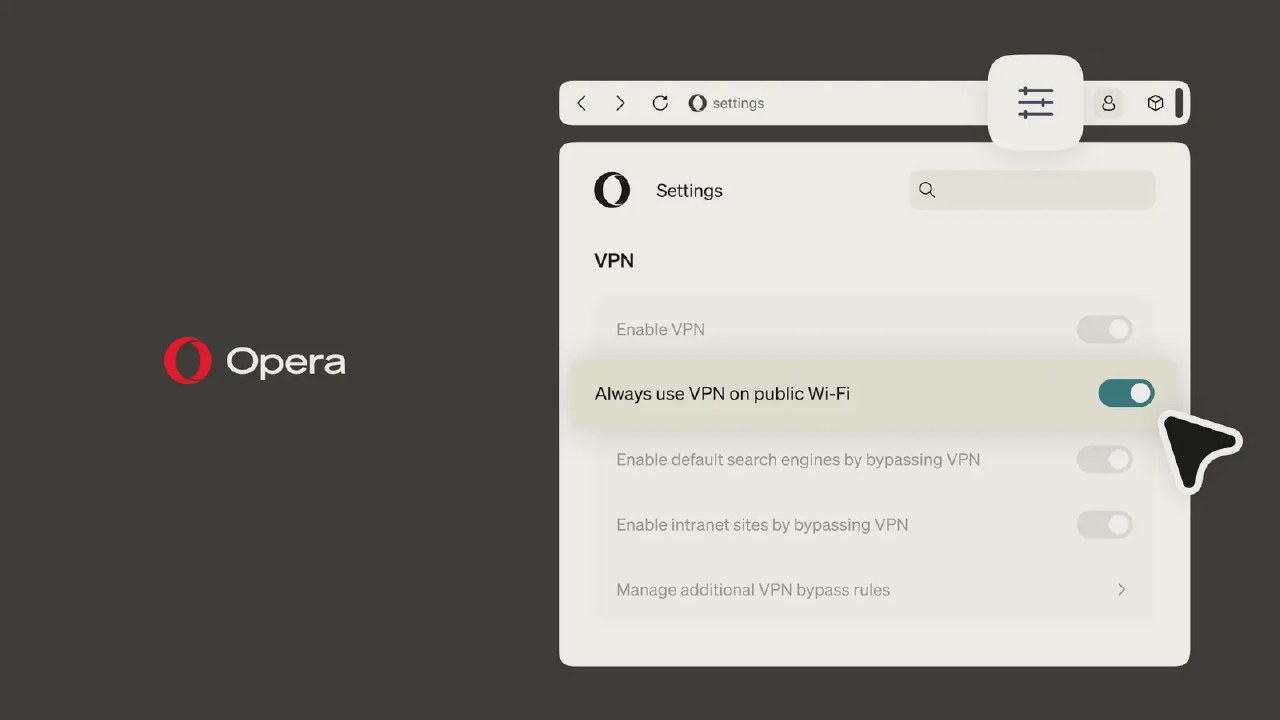
Opera desktop browser now automatically enables its free VPN when detecting public, unencrypted Wi-Fi connections to enhance user privacy.

A new US legislative proposal, the American Copyright Protection Act, aims to mandate that VPN services block access to foreign websites accused of copyright infringement.

UserGate is set to launch its new GOST VPN solution, designed for organizations requiring certified cryptographic protection, with testing starting in November 2026.

A technical study of Hysteria2 VPN endpoints reveals how servers distinguish between unauthorized connection attempts and legitimate authenticated traffic using QUIC and HTTP/3.