Rising Component Costs Threaten Laptop Market Stability
Rising costs for CPUs, DRAM, and SSDs are forcing laptop manufacturers to choose between shrinking profit margins and higher retail prices, potentially impacting shipment volumes in 2027.

Rising costs for CPUs, DRAM, and SSDs are forcing laptop manufacturers to choose between shrinking profit margins and higher retail prices, potentially impacting shipment volumes in 2027.

Rising costs for CPUs, RAM, and SSDs threaten to shrink the global laptop market by up to 10% by 2027, according to TrendForce data.

Analysts predict a potential 10 percent decline in global laptop shipments by 2027 as rising component costs force manufacturers to consider price hikes for consumers.

TrendForce projects a 121% rise in average HBM memory prices by 2027, driven by sustained demand for AI servers and limited production capacity.

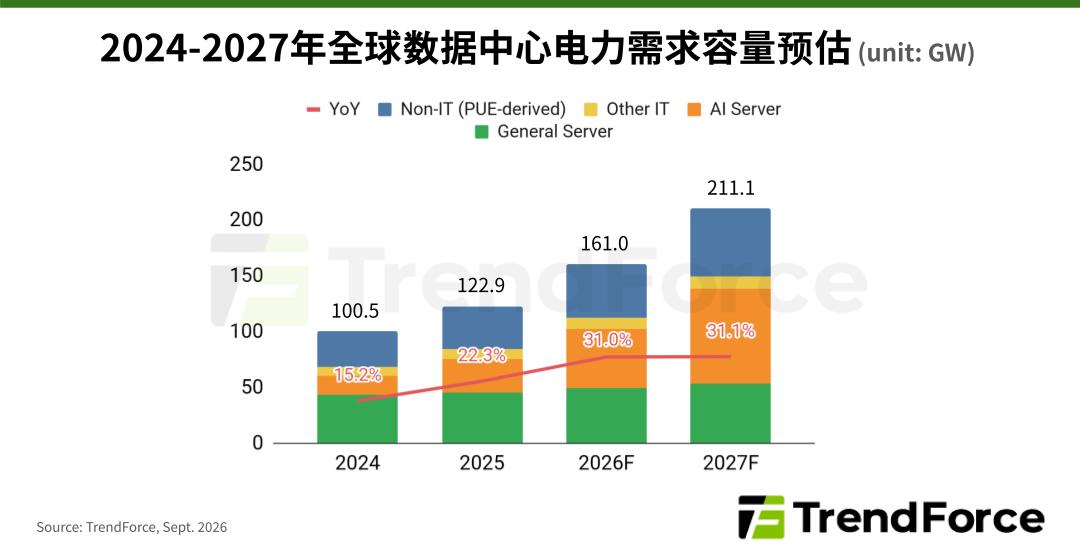
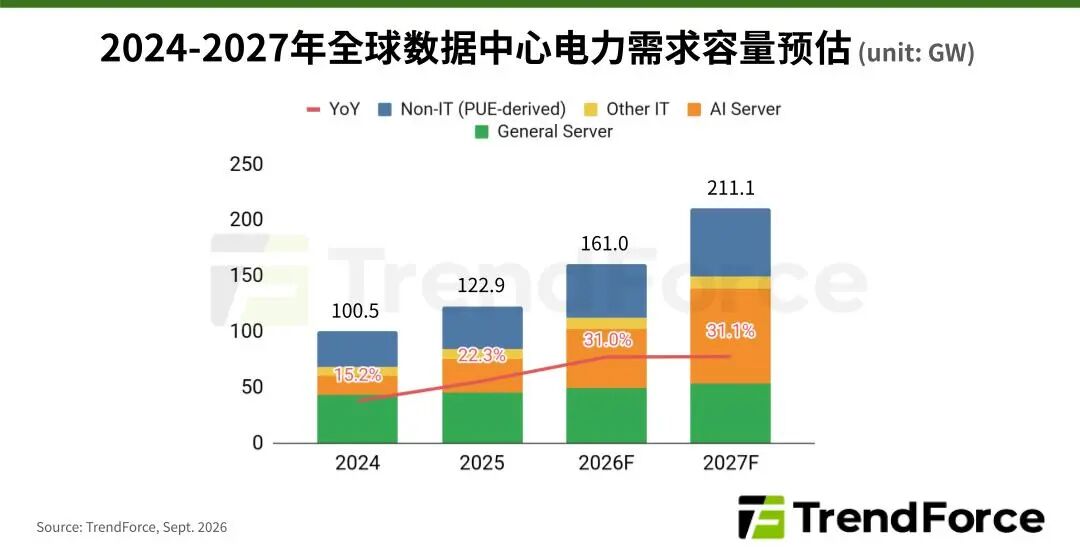
TrendForce forecasts that global data center power demand will reach 161 GW in 2026, driven by AI expansion, with a projected shortfall of 268 GW by 2030.

TrendForce reports that the primary bottleneck for AI infrastructure is shifting from chip shortages to power grid capacity, with a projected 268 GW deficit by 2030.

TrendForce projects that global data center power demand will grow by 31% in 2026, driven by AI infrastructure, leading to a potential 268 GW supply gap by 2030.

TrendForce predicts that limited production growth for high-capacity NOR flash will lead to a price surge of 90–110% by the second half of 2026.

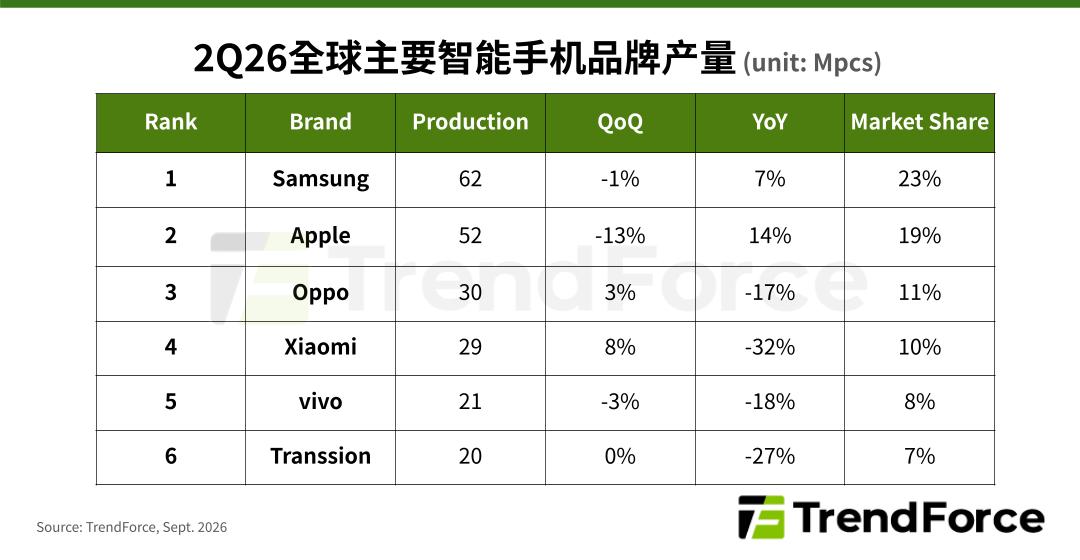
TrendForce has raised its 2026 global smartphone production forecast to 1.07 billion units as Q2 output reached 275 million devices.

Rising component costs may force manufacturers to increase laptop prices by 80% to maintain profit margins, according to TrendForce.