AI Adoption Trends Among Russian Internet Users
A study by HSE University reveals that 79% of Russian internet users have engaged with AI services over the past three months, with high adoption rates among younger generations.
Princeton scientist Arvind Narayanan predicts that AI will evolve into highly credible truth oracles within the next five to ten years.

JPMorgan Chase remains the world's most AI-advanced bank, according to the 2026 Evident AI Index, with annual AI-driven benefits now estimated at $2 billion.

A report by Andreessen Horowitz shows that only 2% of US households paid for AI services as of April, while enterprise adoption remains limited across S&P 500 companies.

Epoch AI data reveals that ChatGPT users are engaging more frequently and with longer messages, though paid subscriptions remain below 10% of the user base.

A 2026 Pressfeed survey shows that 69% of media professionals now prioritize AI for information analysis, shifting away from using it primarily for text generation.
A Gallup survey commissioned by Microsoft shows that 68% of daily AI users in the U.S. are worried about the technology, highlighting a global divide in public sentiment.

In 2026, prompt engineering has shifted toward context-based structures, as modern AI models now perform better with simplified instructions rather than complex role-playing.

AI has become an essential component of modern life and professional activity, driven by its ability to automate routine tasks and provide a competitive edge.

WeChat for Mac has introduced a built-in browser, signaling a strategic shift toward integrating AI agent capabilities directly into the platform's ecosystem.
The internet is evolving from a collection of apps into an 'Agent First' ecosystem where AI intermediaries handle tasks autonomously, shifting the industry's focus from search to personal world models.

AI models can generate functional software in hours, but human developers remain essential to identify architectural flaws and handle complex system interactions.

Qualcomm executive Xia Quan outlines the future of personal AI, where intelligent agents operate across devices and cloud infrastructure to transform both user experience and business models.
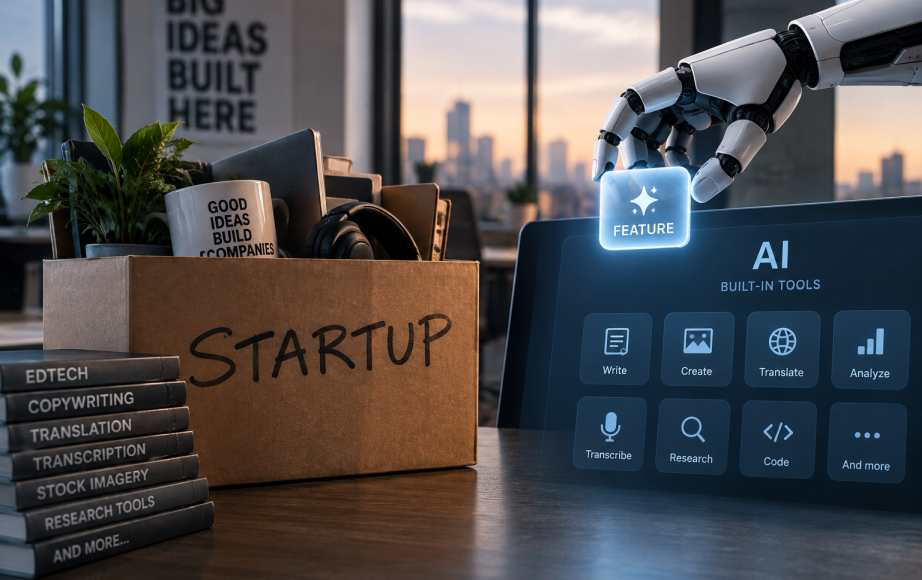
AI is transforming standalone startup products into standard features, forcing companies to pivot or face declining revenue as seen in the academic, search, and creative sectors.