MIT Researchers Observe Rare Long-Term Stellar Accretion
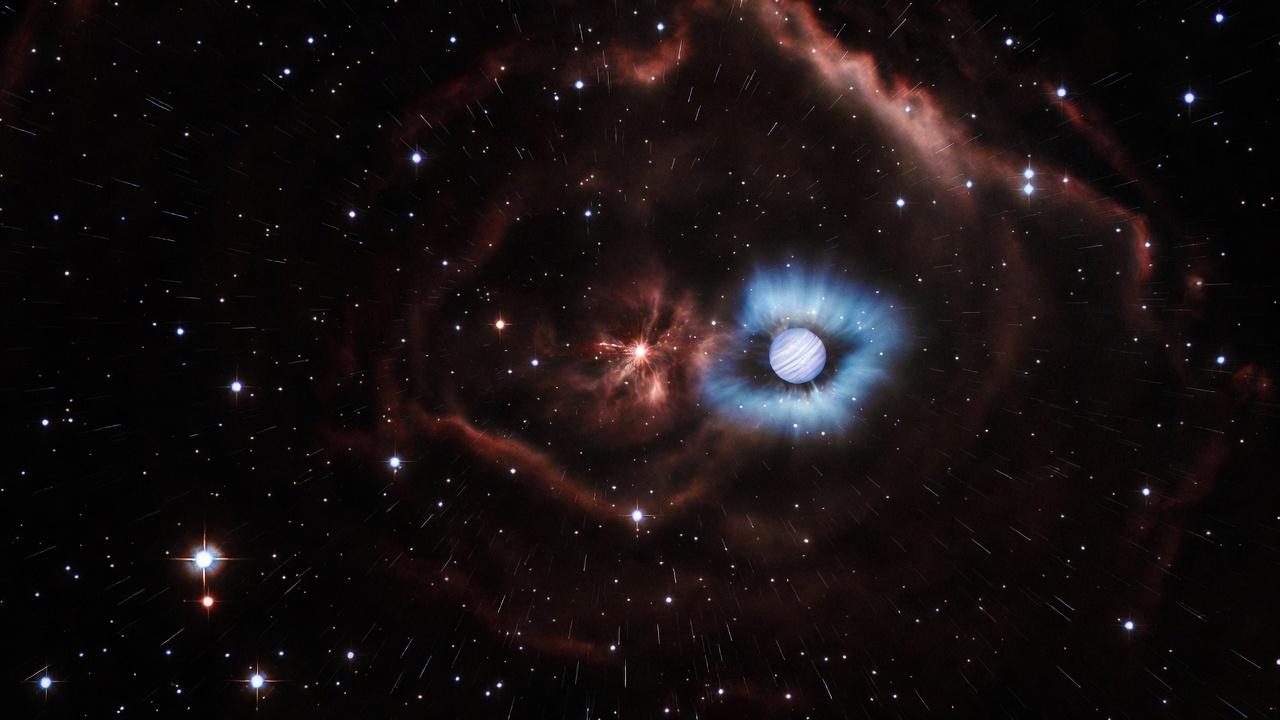
MIT researchers have discovered a binary system where a low-mass star slowly consumes material from a brown dwarf companion in a process that may last for billions of years.

MIT researchers have discovered a binary system where a low-mass star slowly consumes material from a brown dwarf companion in a process that may last for billions of years.

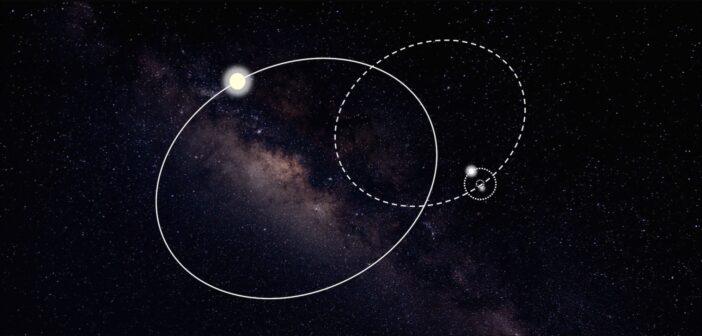
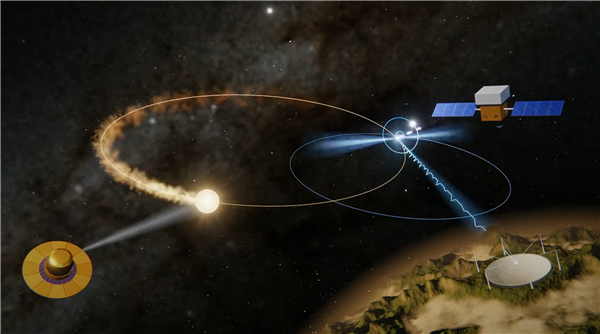
Astronomers have discovered the millisecond pulsar PSR J0435+3233 within a rare triple star system, noting its unusually rapid rate of deceleration.

Astronomers have documented two unique stellar systems where stars slowly consume their companions, challenging the model of rapid planetary destruction.

Researchers using the FAST telescope have identified the first primordial pulsar triple-star system currently in an evolutionary phase, providing new insights into stellar dynamics.

Astronomers have discovered a second-generation planet formed from the debris of a dead sun-like star, challenging existing theories on planetary evolution.

A new mathematical model suggests that standard supernovae, rather than hypernovae, may explain the unusual chemical composition of ancient stars in the Milky Way.

Astronomers have identified a potential exoplanet orbiting the hot A-type giant star HD 156295 using pulsation timing analysis of TESS telescope data.

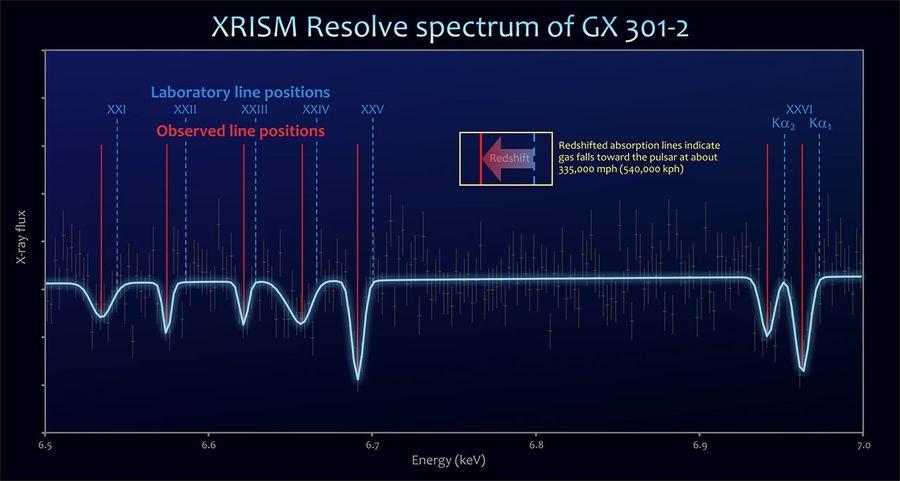
Researchers using the XRISM observatory have captured the first direct observations of a pulsar absorbing stellar wind at a speed of 540,000 km/h.