Microsoft Enhances Windows 11 Performance and Memory Efficiency
Microsoft has optimized Windows 11 to improve system responsiveness by 20 percent, with specific performance gains for devices equipped with 8GB of RAM.

Microsoft has optimized Windows 11 to improve system responsiveness by 20 percent, with specific performance gains for devices equipped with 8GB of RAM.

Epic Games has launched a preview of its new store launcher, utilizing AI-assisted development to improve performance and reduce cold start times to 5.47 seconds.

A performance test of Flutter web applications reveals that switching from JavaScript to WebAssembly provides a 5 to 10 percent speed boost, falling short of higher expectations.

Go 1.25 introduces native CPU limit detection, making the automaxprocs library potentially obsolete and creating performance discrepancies due to different rounding strategies.

A new open-source project benchmarks seven Linux network backends, comparing latency and performance across physical hardware and AWS cloud instances.

Modifications to CPython's internal generator handling have yielded a performance boost of up to 1.53x by eliminating redundant exception object allocations.

The SilentJSON library for Go implements a streaming data processing model that prioritizes low latency and high throughput by avoiding full object decoding.

Researchers analyzed the impact of Huge Pages on PostgreSQL 17, finding performance gains of 4.5% to 8% depending on query complexity.

A standardized load testing methodology helps engineering teams move from experimental checks to predictable, data-driven system performance analysis.

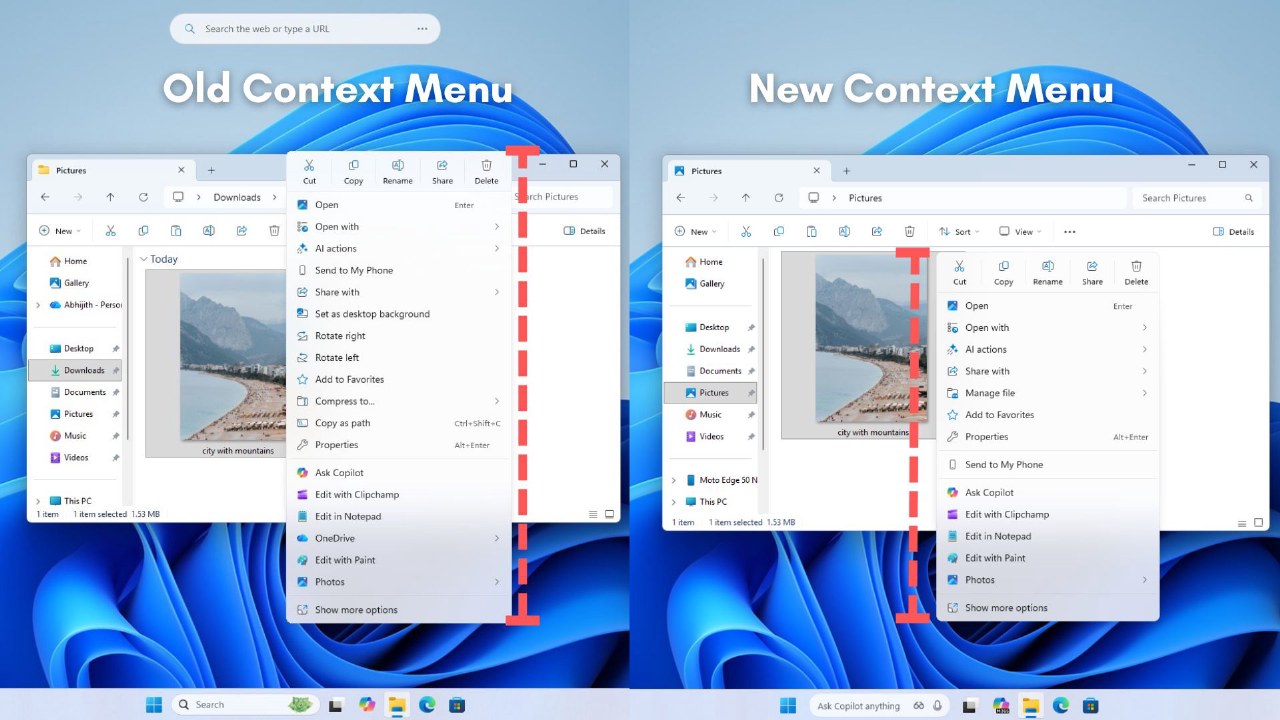
Microsoft will release a major performance update for Windows 11 this autumn, focusing on reducing interface latency and optimizing system responsiveness.

Audi is testing a new SQ3 prototype, signaling a potential expansion of its performance SUV lineup to compete with the BMW X1 M35i.

The UnsafeAccessor feature in .NET 8–10 provides a high-performance alternative to reflection for accessing private members, reducing latency to 0.25 nanoseconds and eliminating heap allocations.

The .NET Dictionary class employs a specific collision threshold to prevent performance degradation from hash flooding attacks.
A technical breakdown of three PostgreSQL production incidents involving table bloat, locking queues, and deadlocks, along with specific mitigation strategies.