Microsoft is preparing a major performance update for Windows 11, scheduled for release this autumn. The company’s design team has confirmed that they are addressing long-standing user feedback regarding interface lag and latency by optimizing the underlying rendering and interaction code.
Since the launch of Windows 11, users have reported performance issues with the taskbar, Start menu, File Explorer, and context menus, particularly on older hardware or under heavy workloads. The new update aims to resolve these bottlenecks by streamlining the Fluent Design components.
The development team has refactored several XAML interface components, including the taskbar tray, quick settings, and notification center. By removing unnecessary abstraction layers and redundant script calls, the update reduces CPU and memory usage during interface animations.
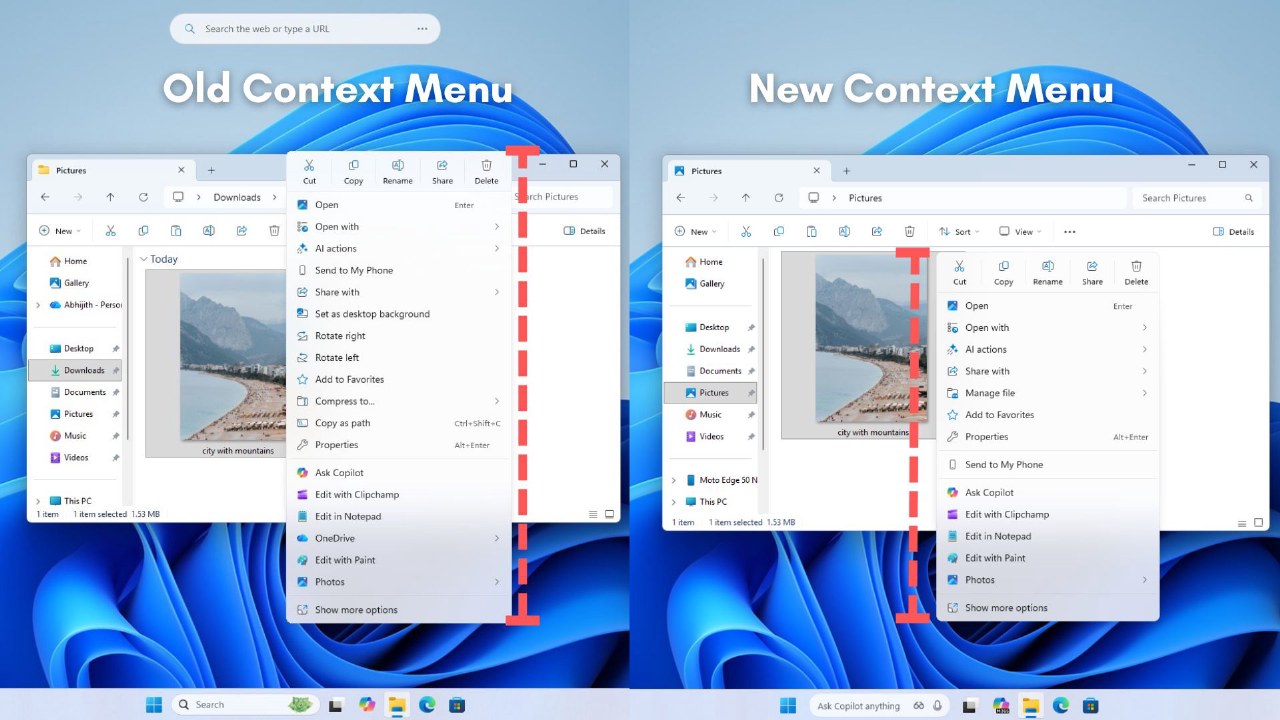
File Explorer is also receiving significant attention, with a full rewrite of the logic for folder reading, tab switching, and context menu rendering. This process eliminates previous bottlenecks caused by third-party injection checks, ensuring faster response times for high-frequency tasks.
The performance improvements are currently undergoing final stress and compatibility testing within the Windows Insider program. Microsoft aims to deliver these optimizations to all users globally as part of the official Windows 11 feature update arriving this autumn.