Legal Challenges to New US Crypto Regulations
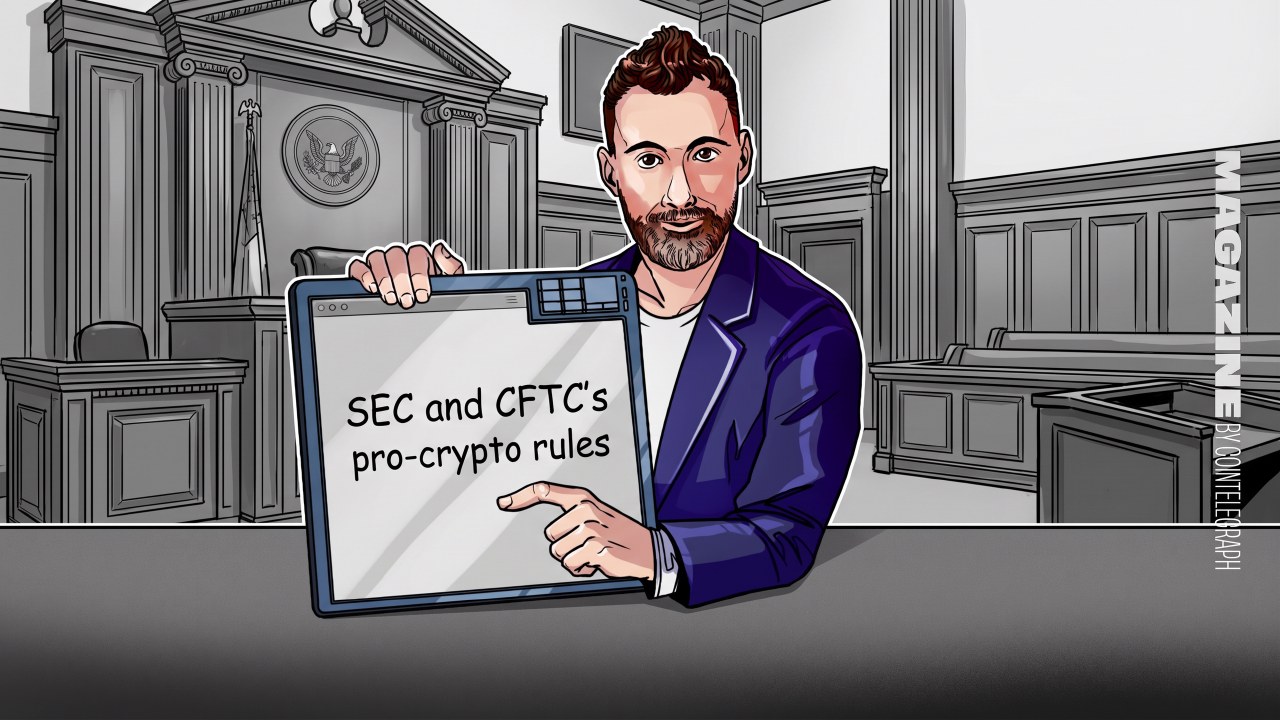
US regulators have introduced new crypto market rules following the failed CLARITY vote, but legal experts warn these measures face potential challenges in court.

US regulators have introduced new crypto market rules following the failed CLARITY vote, but legal experts warn these measures face potential challenges in court.

Starting July 1, 2027, Russia will ban direct peer-to-peer cryptocurrency transactions, mandating that all trades be conducted through licensed intermediaries.

The High Court of England and Wales ruled that claims to 61,000 BTC seized from a Chinese pyramid scheme must be settled under Chinese law, potentially impacting victim compensation.

The UK High Court ruled that Chinese law governs claims to 61,000 BTC seized from a fraudster, potentially allowing the government to retain the $5 billion in assets.

A co-founder of the Empire Market darknet platform has been sentenced to 40 years in prison for facilitating over $430 million in illicit transactions.

A man has been sentenced to 18 months in prison for using 10,000 bots to stream AI-generated music and illegally collecting over $8 million in royalties.

A Manhattan jury convicted Jonathan Spalletta for the 2021 theft of over $50 million from the Uranium Finance crypto exchange, which he spent on rare collectibles.

A New York jury has convicted Jonathan Spalletta for a $53.3 million crypto heist, during which he laundered stolen funds to purchase rare Pokémon cards and historical artifacts.

A US court has issued the first prison sentence for a streaming fraud scheme that utilized AI to generate music and bots to inflate play counts, resulting in $8 million in illegal royalties.

Polish antitrust regulators have accused Google of abusing its market power in negotiations with local publishers, potentially facing fines of up to 10% of its turnover.
Anthropic reported a user to law enforcement after the Claude chatbot flagged violent threats written by a Florida woman in her chat history.

California has enacted legislation prohibiting public officials from issuing meme coins and expanded state money-laundering laws to include digital asset seizures.

Rospatent has revoked a Russian entrepreneur's trademark rights for an AI-generated character following a successful challenge by an Italian firm.
A Tokyo court has ruled that human voices are legally protected, siding with voice actor Kenjiro Tsuda in a landmark case against unauthorized AI voice cloning on TikTok.
AI-powered law firm Arceus Legal has raised $17 million to scale its operations and expand beyond commercial contract services.

A Tokyo court has ruled that a human voice is a protected part of identity, setting a legal precedent for AI-generated content in Japan.

Colove Motorcycle has refuted widespread online rumors regarding its financial health, internal layoffs, and the nature of its relationship with former key executive Zhang Xue.
A Florida appeals court has warned that the use of AI in drafting legal documents creates significant burdens for the judicial system due to unverified and disorganized content.

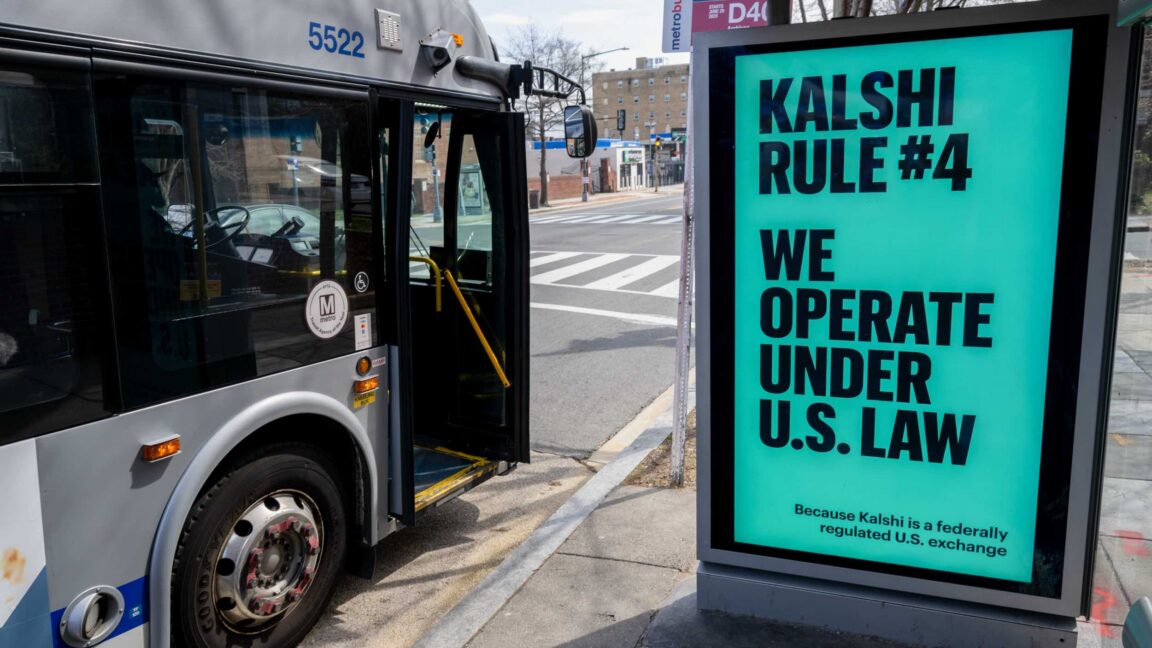
A US appeals court ruled that Kalshi’s sports betting contracts are not swaps, allowing states to enforce local gambling laws despite federal oversight claims.

A federal appeals court has upheld the Pentagon's decision to blacklist Anthropic from military contracts, citing national security concerns and unpredictable AI behavior.