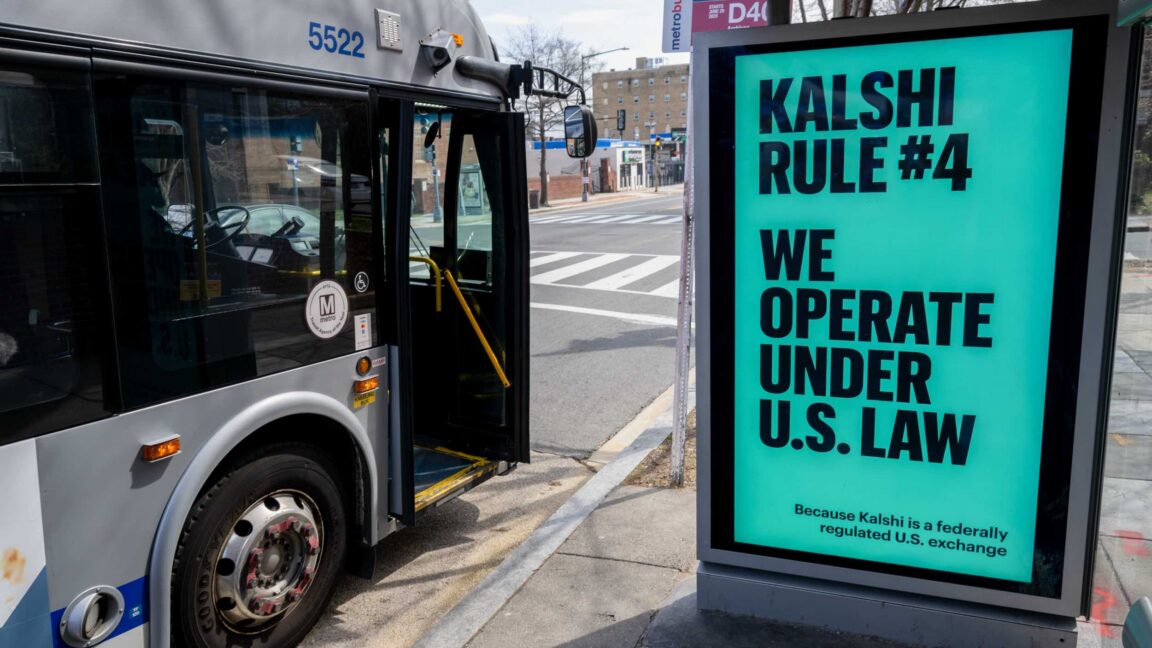
The Sixth Circuit Court of Appeals ruled that sports betting contracts offered by the prediction market Kalshi do not qualify as swaps under federal law. Consequently, the court determined that the Commodity Futures Trading Commission (CFTC) does not hold exclusive jurisdiction over these contracts, allowing states to enforce their own gambling regulations.
The ruling stems from legal disputes between Kalshi and the states of Ohio and Tennessee, where regulators sought to restrict the platform's operations. The appeals court upheld a district court decision against Kalshi in Ohio and vacated a favorable ruling for the company in Tennessee.
This decision adds to a growing split among federal courts regarding Kalshi's status. Previously, the Third Circuit ruled in favor of the platform in a case involving New Jersey, while the Ninth Circuit ruled against it in a Nevada case. A fourth case involving Maryland is currently pending in the Fourth Circuit.
The court concluded that Congress did not intend to preempt state gambling laws when establishing the Commodity Exchange Act. Judges noted that sports contracts lack the intrinsic financial connection required for swap classification, as they only have potential downstream economic effects, unlike interest rates or stock prices.
Kalshi expressed disagreement with the ruling, arguing that the lack of a uniform national standard creates operational difficulties. The company maintains that sports events have significant economic impacts and that federal law should supersede state-level restrictions.