Money
AI-Driven Scams Result in $442 Billion in Global Losses
Global losses from scams reached $442 billion last year as AI-driven tools accelerate the scale and speed of fraudulent activities.
October 12, 2026, 01:46 AM·PYMNTS.com

Global losses from scams reached $442 billion last year as AI-driven tools accelerate the scale and speed of fraudulent activities.
AI companies are expected to drive a 31% increase in S&P 500 earnings for the third quarter, while new research highlights the effectiveness of AI tools in preventing payment fraud.

Neobanks and FinTechs have increased fraud prevention spending by 357% to $8 million per institution, even as average fraud losses continue to rise to $2.84 million.

Plaid has launched a series of AI-driven credit and fraud models that utilize real-time cash flow data to improve lending decisions and payment security.

Financial institutions are integrating payee verification into payment workflows to combat fraud, while regulators and startups scale these systems across international markets.

MTS has launched a free notification service that alerts family members when elderly subscribers receive suspicious phone calls.
MTS blocked over 7 million scam calls in Yakutia during the summer of 2026, with fraudulent activity peaking in August as attackers exploited back-to-school routines.
Truecaller is expanding beyond caller ID with the launch of Scam Checker, a free tool for verifying suspicious links and messages using community-sourced fraud data.

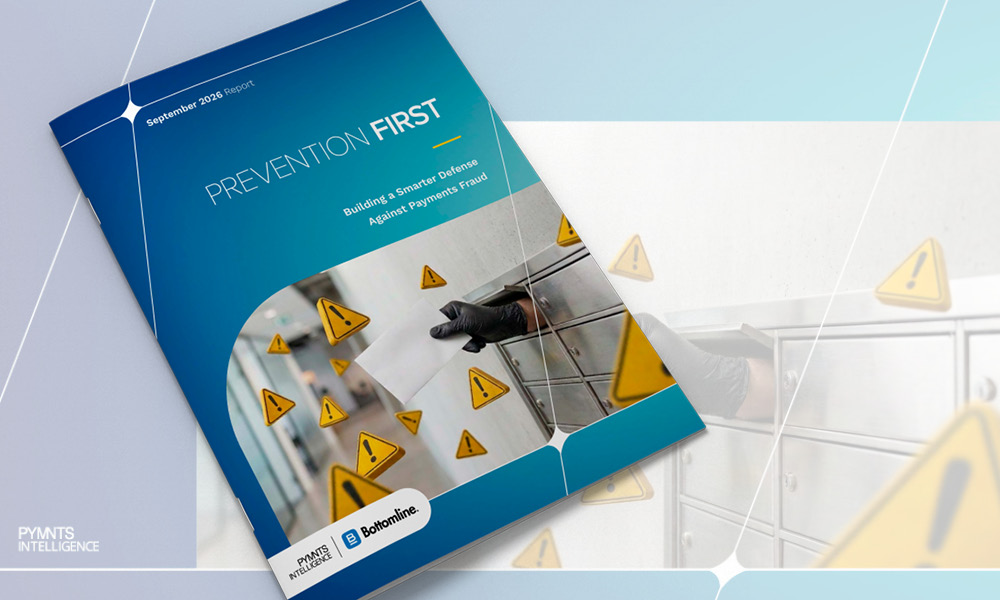
A new PYMNTS Intelligence report reveals how large U.S. firms are shifting fraud prevention measures to the pre-payment stage to secure outbound vendor transactions.
The FTC has secured $16.85 million in settlements from Nuvei and Humboldt Merchant Services following allegations of inadequate merchant screening and processing for deceptive businesses.

Baselayer has raised $35 million in Series A funding to expand its identity verification technology to AI agents.

Plaid and ID.me are partnering to integrate account verification tools into government benefit payments to reduce fraud and improper disbursements.

Recent security incidents at Revolut and the Federal Reserve highlight emerging operational risks linked to the exploitation of trusted government infrastructure.

Nasdaq Verafin and Stablecore are partnering to integrate digital asset transaction data into bank compliance systems, with a full rollout expected by early 2027.

F6 and Max have partnered to combat phishing and scams, using AI-driven tools to neutralize over 2,500 malicious resources in two months.

A new PYMNTS Intelligence and Visa DPS report surveys 500 U.S. payment leaders to identify key investment priorities for card issuers facing growing fraud threats.

Online gaming startups are integrating fraud prevention into their core infrastructure to support scalable growth and reduce operational risks.