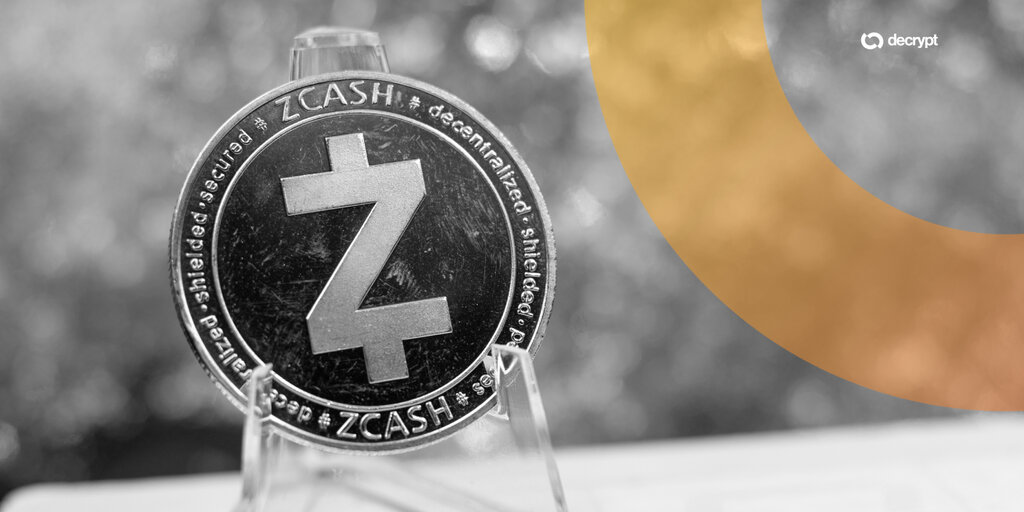
Developer Adam Tucker from Zakura has introduced a method to prevent quantum computers from deanonymizing Zcash shielded transactions. The proposed solution does not require a network upgrade and focuses on protecting user privacy against potential future quantum attacks that could exploit current key structures.
The vulnerability primarily affects swaps conducted through the NEAR Intents service, where shielded addresses are recorded on a public chain. According to Zcash Open Development Lab CEO Josh Swihart, approximately $600 million to $700 million had passed through this route by May.
Zakura’s fix involves generating a unique incoming viewing key for every published address, ensuring that a compromised key only exposes data related to that specific transaction. To maintain wallet performance, the system utilizes private information retrieval, allowing wallets to query servers without revealing specific addresses.
This proposal builds on previous efforts to secure Zcash, including plans for quantum-safe transparent addresses. Developers aim to achieve full post-quantum privacy for the network within 12 to 18 months. Support for these one-time keys will be integrated into software wallets like Vizor in the coming weeks.