Researchers from Yunnan University have developed a perovskite photovoltaic system designed to generate electricity underwater at depths of up to 10 meters. The technology utilizes a perovskite material with a bandgap of 1.96 eV, which is optimized for the blue-green light spectrum that persists at depth, unlike traditional silicon cells.
To ensure durability, the researchers integrated polyhexamethylene guanidine hydrochloride (PHMG) into the perovskite structure. The cells are encased in a multi-layer shell composed of butyl rubber, protective glass, and transparent epoxy resin to withstand water pressure and corrosion.
In laboratory tests, a 0.0895 cm² cell achieved an efficiency of 34.71%, while a 28.79 cm² module reached 29.4%. After 1,000 hours of immersion in simulated seawater, the device retained 99.58% of its initial efficiency. The system has a projected T80 lifespan of 48,904 hours at 25 °C.
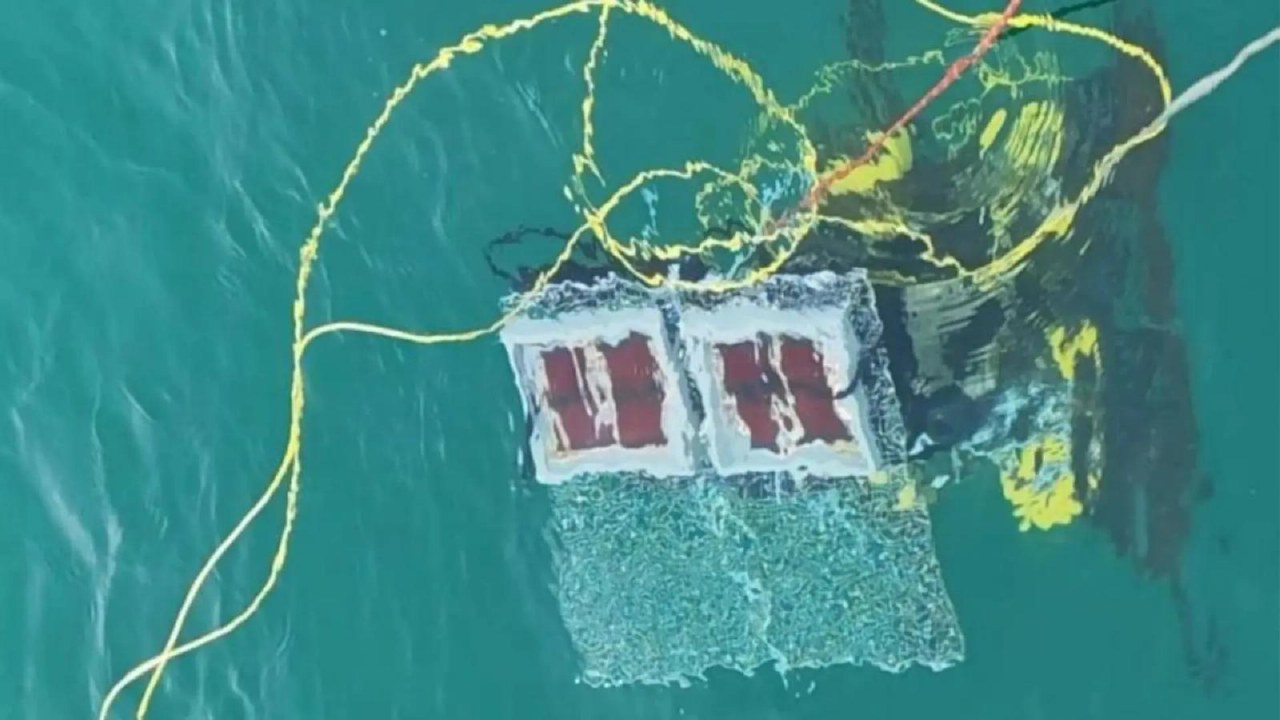
Field tests in the South China Sea demonstrated the system's ability to charge lithium-ion batteries at depths of 2, 6, and 10 meters. Over a two-hour period, the units accumulated 1416, 752, and 324 mWh of energy, respectively. The technology is intended for powering autonomous underwater sensors and communication equipment.