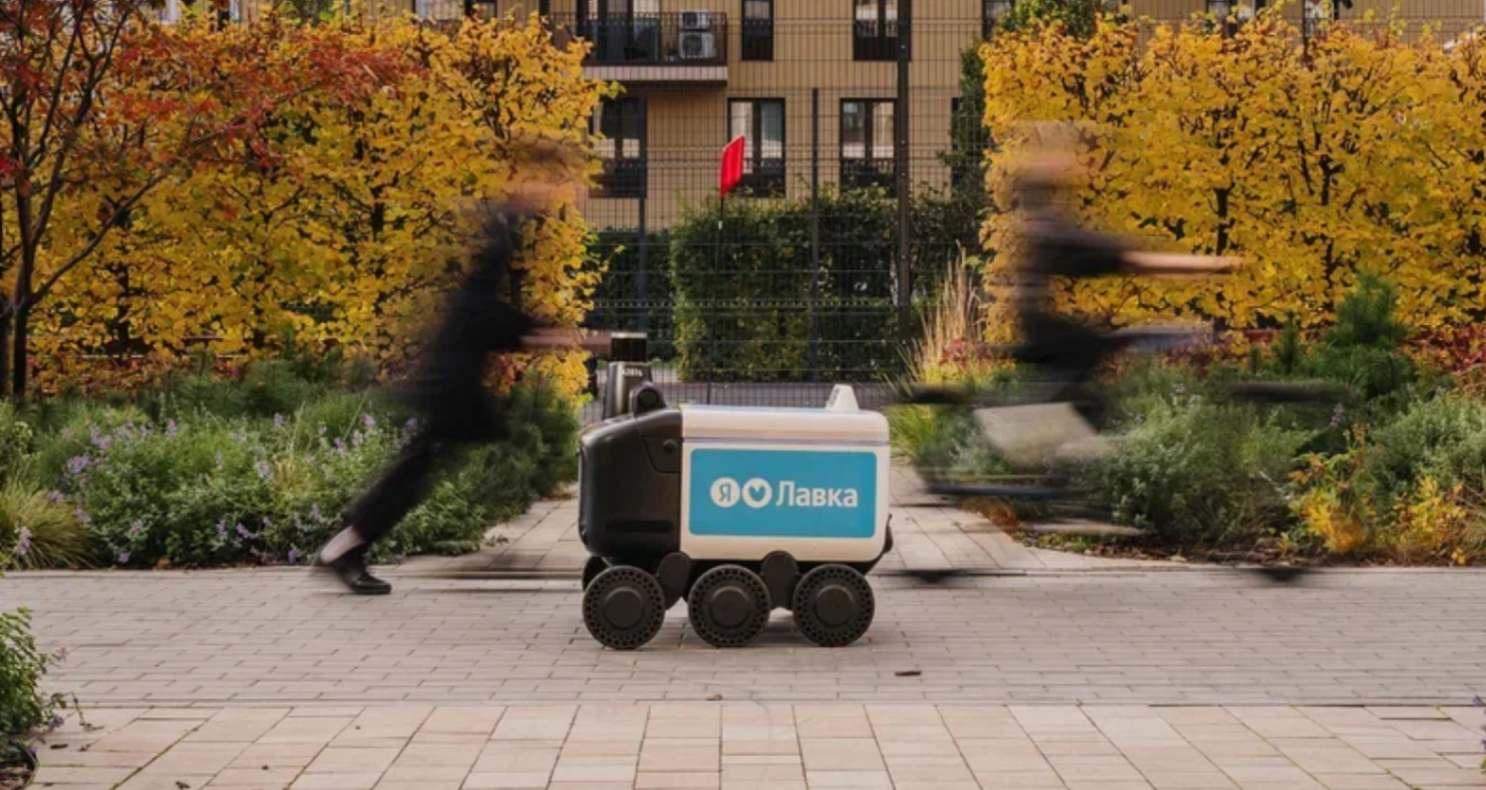
Yandex has increased the average speed of its delivery robots by nearly 40% over a five-month period. The speed rose from 3.5 km/h to 5 km/h, following the implementation of a new artificial intelligence model designed to optimize movement planning and environmental assessment.
The AI model is trained in a virtual environment using reinforcement learning techniques. The cumulative training time for these models has surpassed 20,000 years. The simulation runs over 6,000 virtual rovers simultaneously, allowing the system to process complex scenarios that are difficult to replicate in real-world conditions.
The simulation efficiency is significant, as one hour of virtual training provides experience equivalent to approximately 140 days of real-world street navigation. The entire fleet of Yandex rovers transitioned to this new AI-based planning system in May 2026.
While the AI handles navigation, physical safety remains managed by onboard hardware. Lidars detect obstacles to adjust speed proactively, while ultrasonic sensors trigger emergency stops if an object appears in close proximity. This allows robots to accelerate on clear paths and slow down only when necessary.