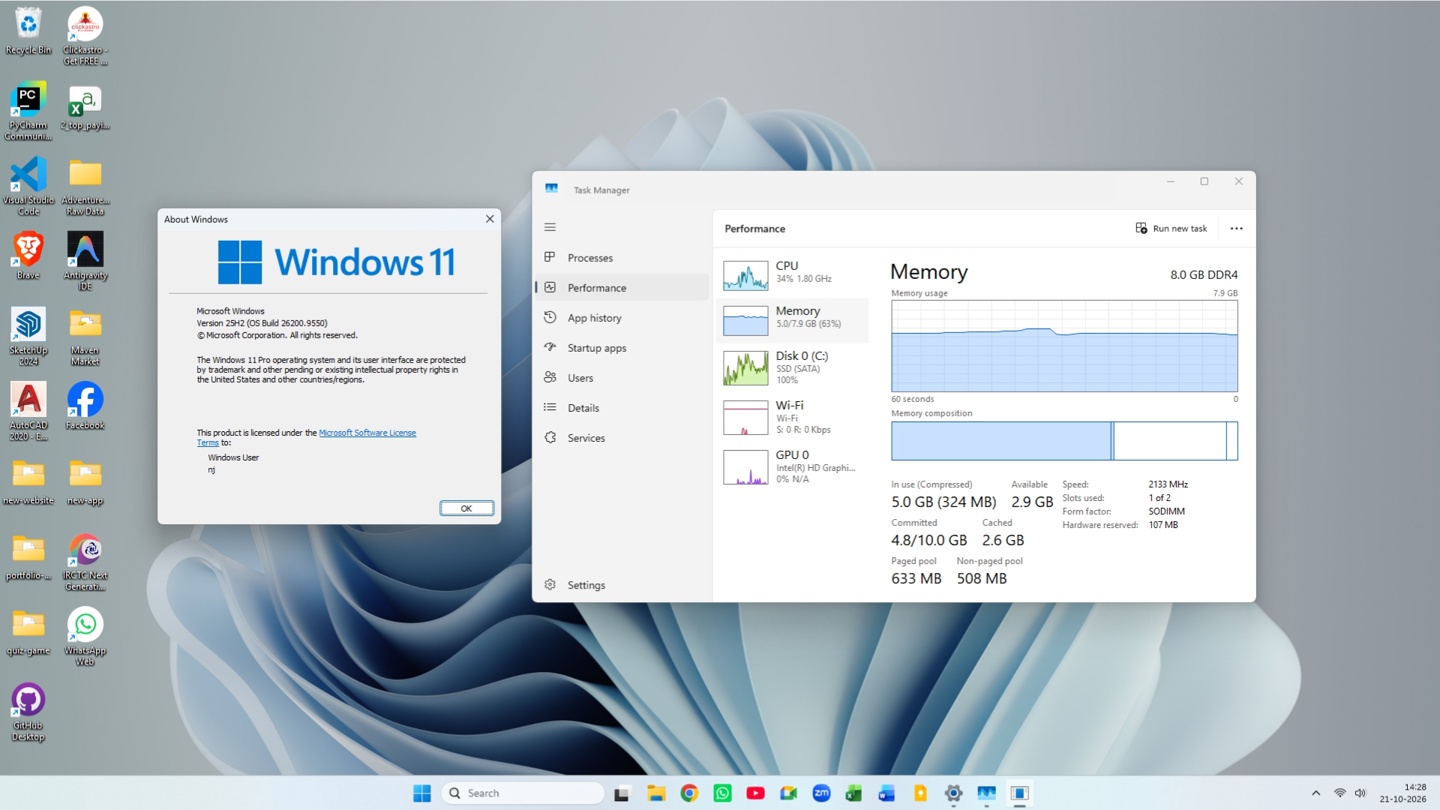
Microsoft has implemented performance optimizations in the Windows 11 26H2 update, specifically targeting devices with 8GB of RAM. Tests conducted on a laptop with 8GB of DDR4 memory showed that the system's startup memory usage decreased from 5GB to 3.3GB compared to the 25H2 version, effectively increasing available memory from 2.9GB to 4.6GB.
The update also significantly reduced compressed memory from 324MB to approximately 63MB. Further testing on an 8GB virtual machine confirmed a reduction in startup memory consumption, which dropped from 4.1GB to a range between 2.8GB and 3.2GB. Community feedback suggests a general decrease in memory usage of 1.5GB to 2GB following the upgrade.
Microsoft's performance improvements include keeping up to 2GB of active data in memory rather than writing it to slower storage, which aims to maintain responsiveness when running multiple applications. Additionally, the company modified the Widgets feature to load only upon opening, freeing up over 200MB of RAM on devices with 8GB of memory or less.
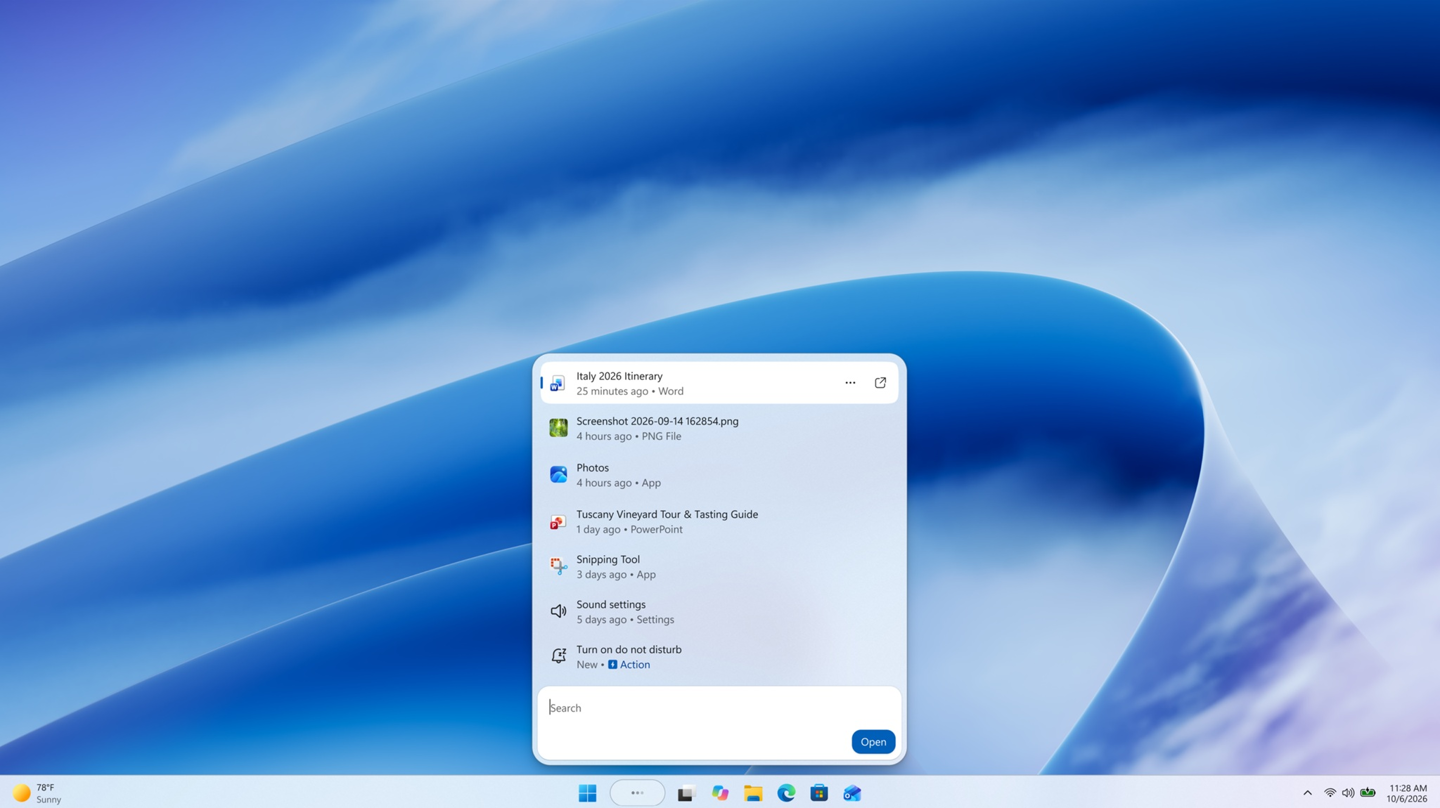
These optimizations extend to several core system components, including the Start menu, File Explorer, Search, the Snipping Tool, Microsoft 365, and the Edge browser. Microsoft claims that these combined efforts improve overall system response speeds by up to 20 percent.