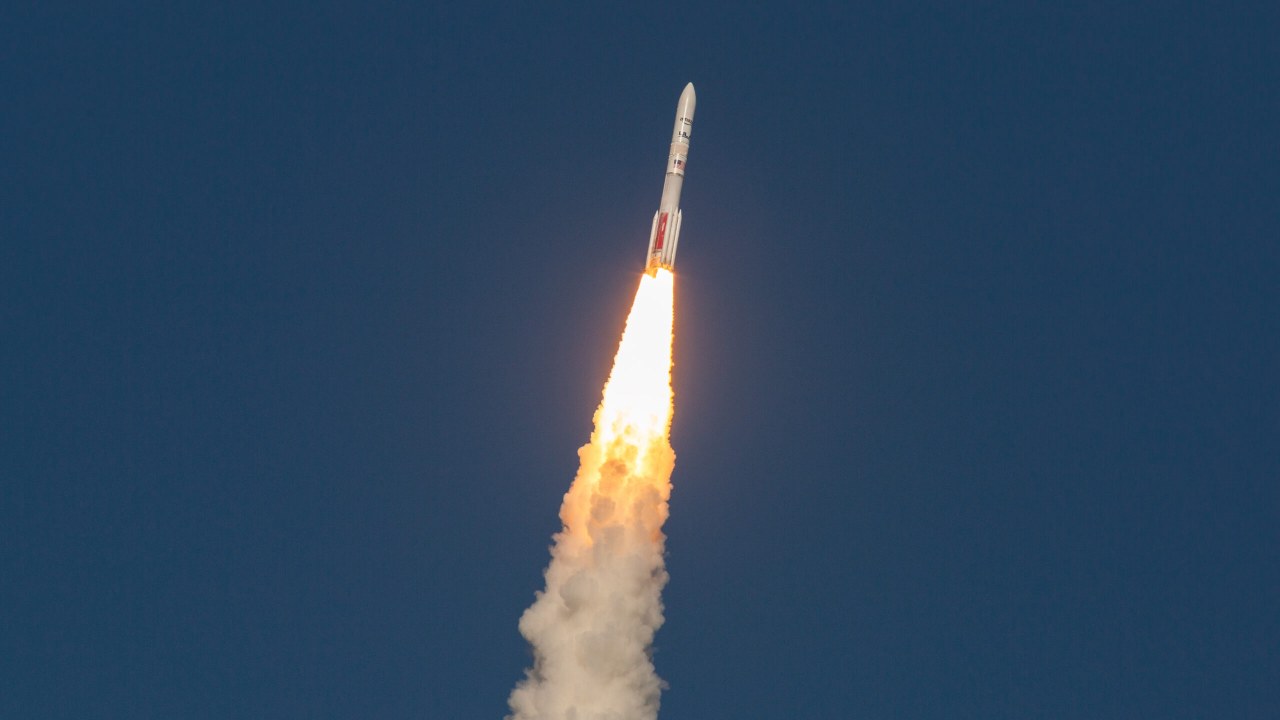
United Launch Alliance is investigating a mission failure of its Vulcan rocket that occurred approximately 10 minutes into flight. Preliminary data suggests the vehicle experienced low booster performance shortly after liftoff, leading to stage separation at an insufficient altitude and velocity to reach orbit. While the Centaur V upper stage and solid rocket boosters performed nominally, engineers are examining whether one of the two Blue Origin BE-4 engines failed to reach full throttle.
The investigation is currently in its early stages and is described as incredibly complicated. Sources indicate the issue may stem from the propellant feed systems for methane and liquid oxygen rather than the engines themselves. The Federal Aviation Administration is overseeing the process, which is being led by ULA. This flight marked the fifth mission for the Vulcan rocket since its debut in January 2024.
The failure is expected to sideline the Vulcan program for at least six months, impacting planned launches for the US Space Force and Amazon. This delay could exacerbate the current launch crisis in the United States. Blue Origin, which provides the BE-4 engines, is also affected as it prepares for the return to flight of its New Glenn rocket, which relies on similar engine technology.
Blue Origin recently completed qualification testing for a modified main oxygen valve for the BE-4 engine. The company plans to roll out this component across its fleet and expects to conclude its own anomaly investigation by the end of the month. A definitive link between the Vulcan failure and the BE-4 engine could further delay the New Glenn program, which is critical for NASA's Artemis missions.