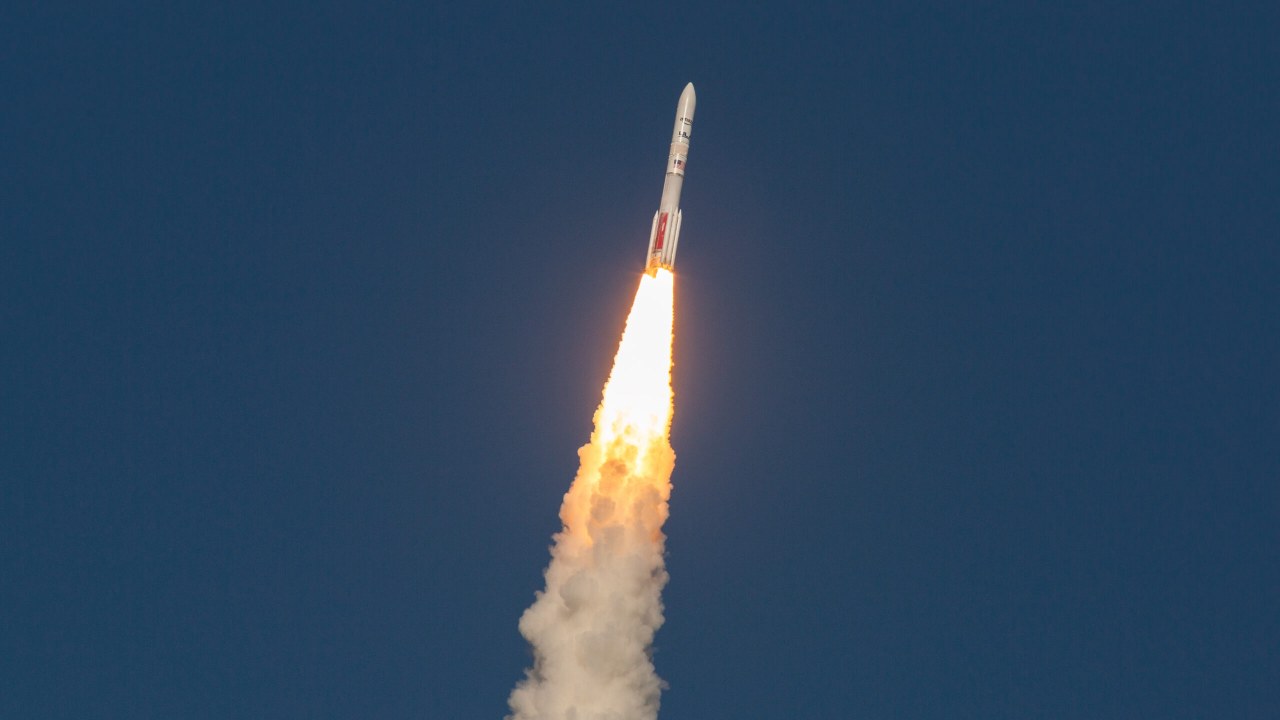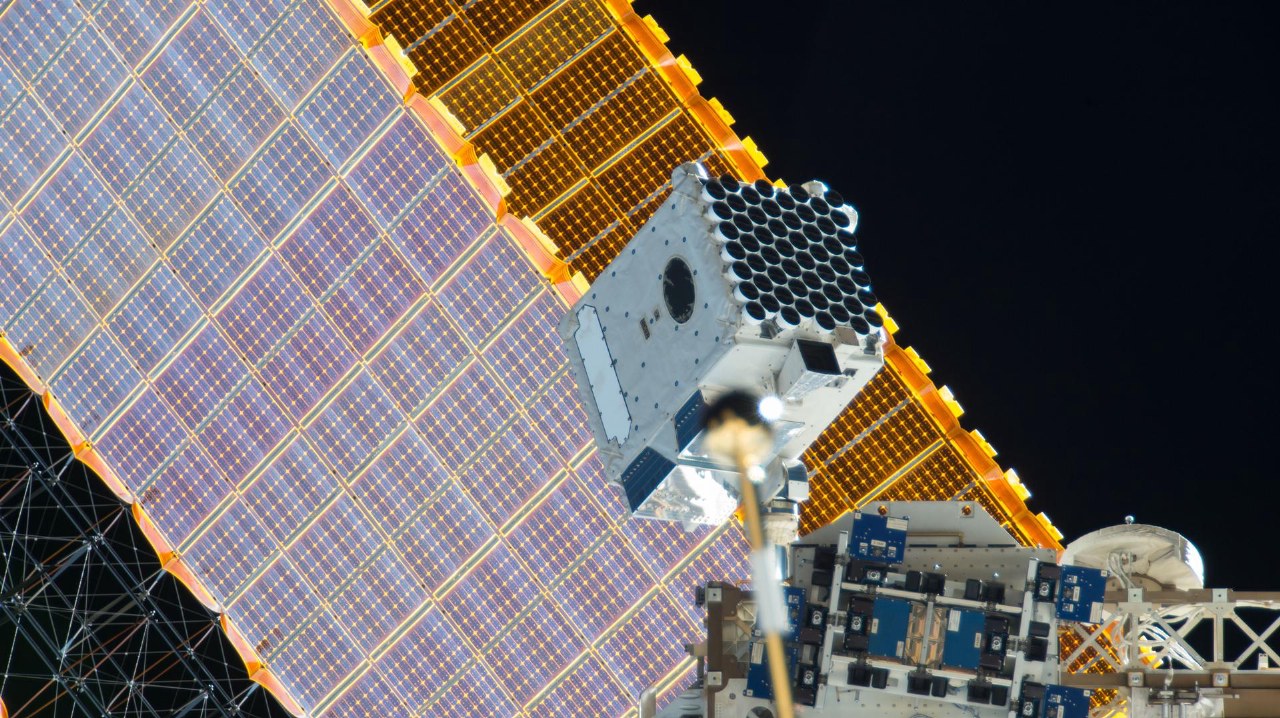
NASA has officially concluded science operations for the Neutron star Interior Composition Explorer (NICER) telescope, which was mounted on the International Space Station. The mission, which launched in 2017, operated for eight years, significantly exceeding its original 18-month prime mission duration.
The decision to end the mission follows a mechanical failure detected in June 2025, when an internal motor malfunctioned, preventing the telescope from swiveling side-to-side. This failure severely restricted the instrument's ability to track cosmic objects, leading to a permanent suspension of data collection.
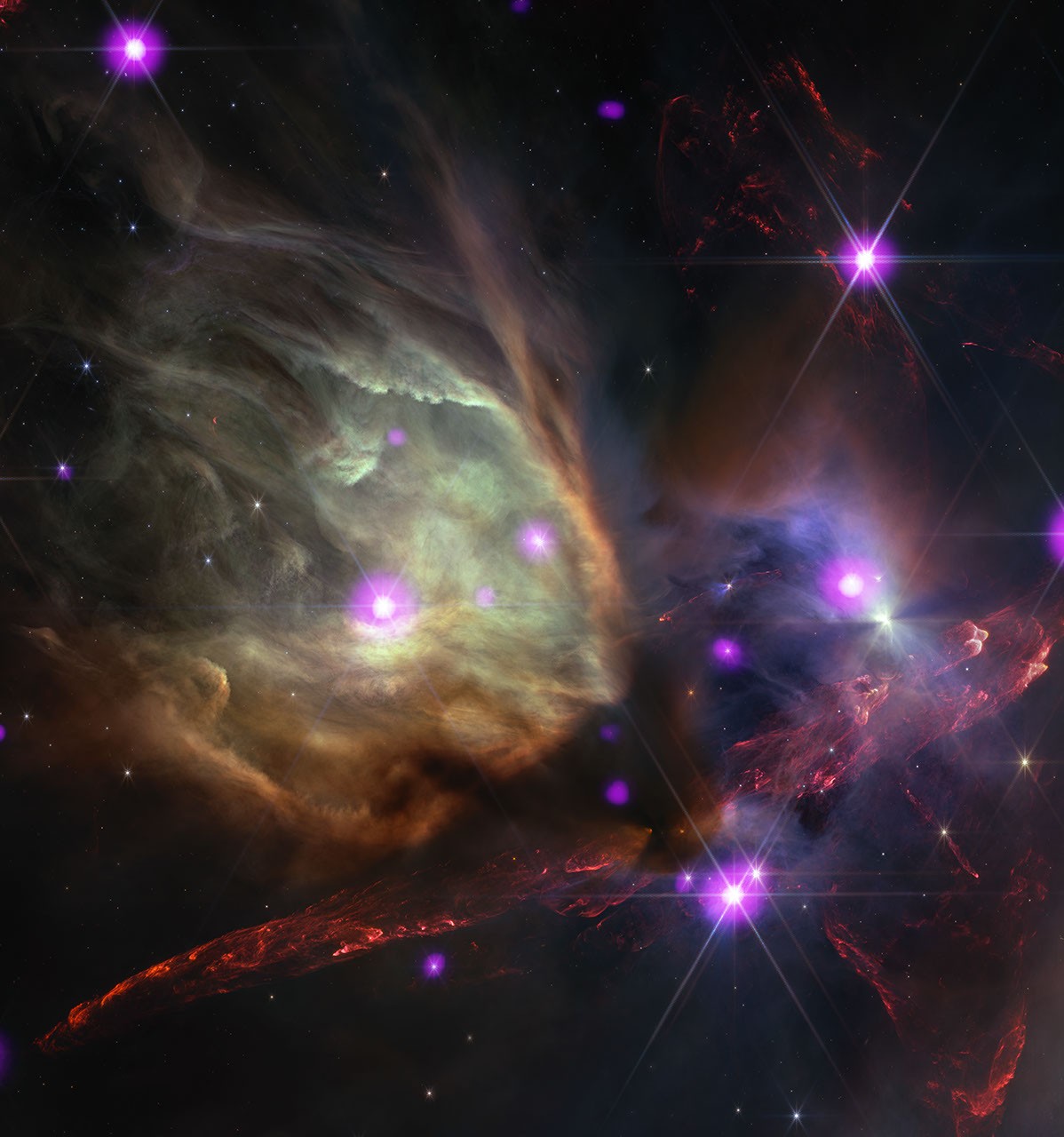
Throughout its operational life, NICER provided measurements of neutron stars, black holes, and active galaxies. The mission also successfully tested pulsar-based X-ray navigation, a technology with potential applications for future deep space travel to Mars and beyond.
In addition to its astronomical contributions, the project yielded practical benefits for Earth. Technology developed for pre-launch testing of the telescope is currently being adapted for use in portable CT scanners, materials analysis systems, and various communication applications.
Mission teams are now focused on finalizing the eight-year archive of X-ray observations. The final phase of the project involves decommissioning the instrument and detaching it from its position near the station’s starboard solar array.