Volvo plans to launch 13 new electric and plug-in hybrid vehicles by 2030, marking the most extensive product expansion in the company's 99-year history. The strategy involves a regional split: seven models are tailored for Western markets, including the US and Europe, while six are designed for China.
Western markets will utilize the HuginCore computing platform alongside SPA2 and SPA3 architectures. In China, the company will leverage shared platforms and a dedicated technology stack provided by Geely. Volvo aims to double its global market share by 2030 through this mix of all-electric and third-generation hybrid vehicles.
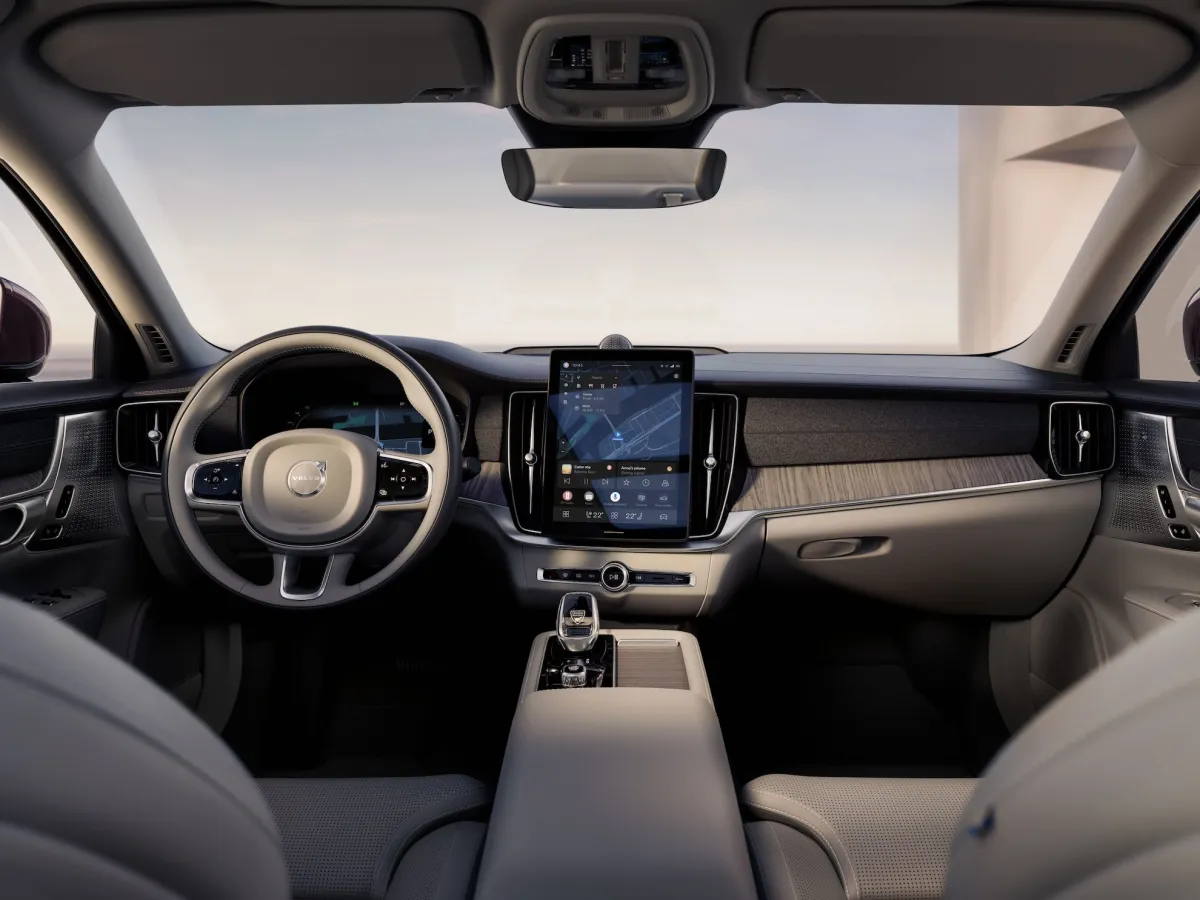
Design chief Thomas Ingenlath announced that a show car concept previewing the new design language will debut in Spring 2027. The upcoming vehicles will reintroduce physical buttons, with each control featuring a unique shape and interaction method to enhance the user experience.
The company recently introduced the XC60 and XC90, its first long-range plug-in hybrids. Production of these models begins this fall, with customer deliveries scheduled for early 2027. They will be sold alongside the EX60, the first EV built on the SPA3 platform.
Volvo also intends to launch an entry-level electric SUV, expected to be named the EX50, by the end of 2027. This model will replace the current EX40 in the US market, feature the SPA3 platform, and carry an estimated starting price of around $50,000.