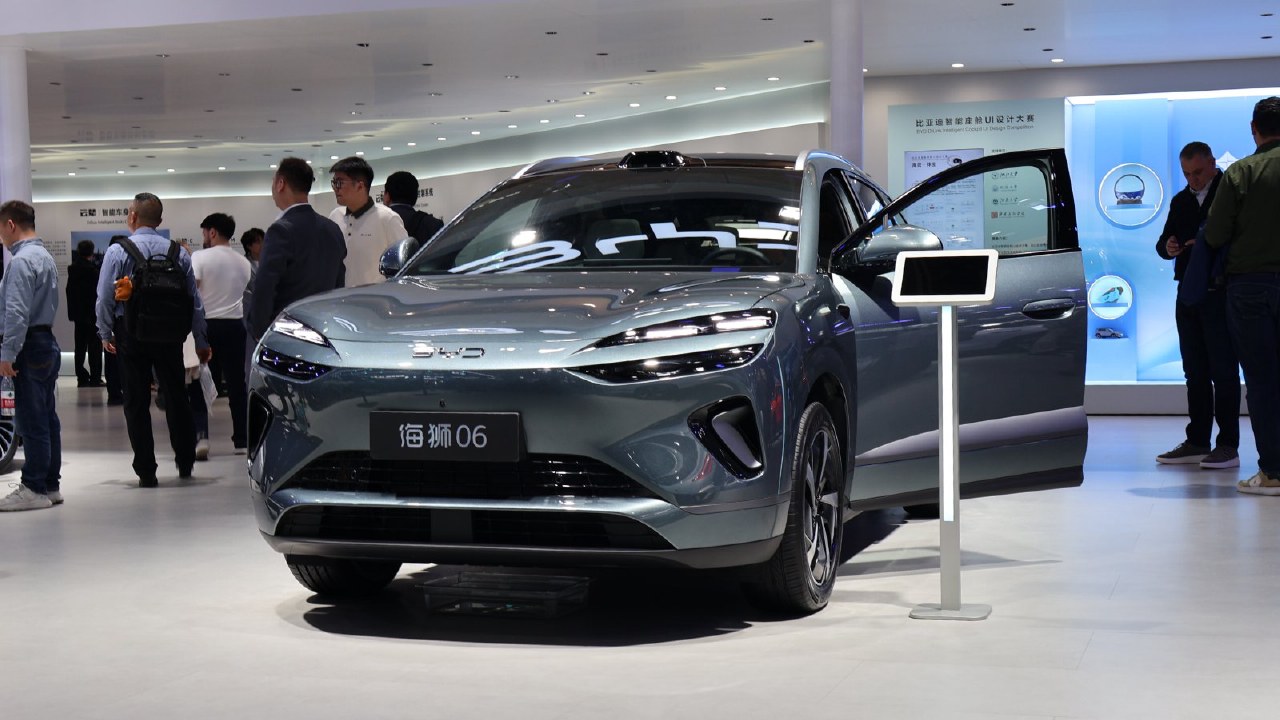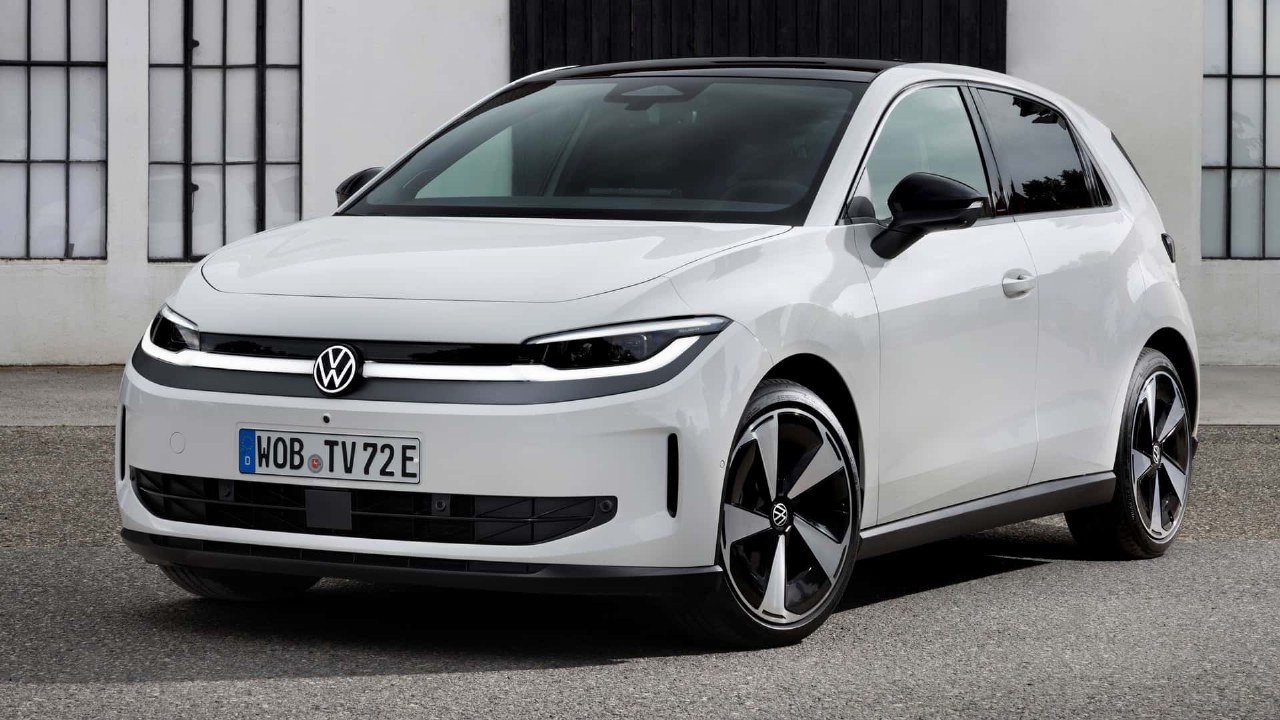
Volkswagen is seeing a shift in its German market, where orders for electric vehicles now outpace those for combustion-engine models. This change in consumer preference has forced the company to adjust its manufacturing plans, specifically by canceling additional shifts for gas-powered cars at its Wolfsburg factory.
The Wolfsburg plant, which produces the Golf, Tiguan, and Tiguan, is now expected to manufacture approximately 580 000 vehicles this year, falling short of the previously anticipated 600 000 units. Meanwhile, the company is increasing production at other sites, including Emden for the ID.7 and Zwickau for the ID.3 Neo.
The new ID. Polo has emerged as a significant driver of demand, securing over 40 000 orders across Europe. Despite this growth, Volkswagen faces a profitability challenge, as electric vehicles currently offer lower margins than traditional combustion cars, complicating the company's ongoing cost-cutting initiatives.
The transition presents structural difficulties for Volkswagen, as electric vehicles require fewer components and less labor than gasoline cars. Consequently, the company is restructuring its production footprint to align with the changing market, while preparing to launch more affordable electric models in the coming years.