The Volga brand has launched full-cycle vehicle production in Nizhny Novgorod at a facility previously used for Volkswagen and Skoda manufacturing. The process includes a comprehensive 19-stage anti-corrosion treatment for vehicle bodies, utilizing localized materials and Russian-made coatings.
The anti-corrosion sequence involves washing, phosphating, and cataphoresis priming. Following this, robots apply secondary primer, base enamel, and protective varnish. Hidden cavities are treated with wax-based compounds, while underbodies receive noise-dampening mastic and sealants.
The paint shop operates under a software system monitoring over 200 parameters, including equipment status, temperature, and humidity. Air within the painting chambers undergoes multi-stage filtration to ensure quality standards are maintained throughout the production cycle.
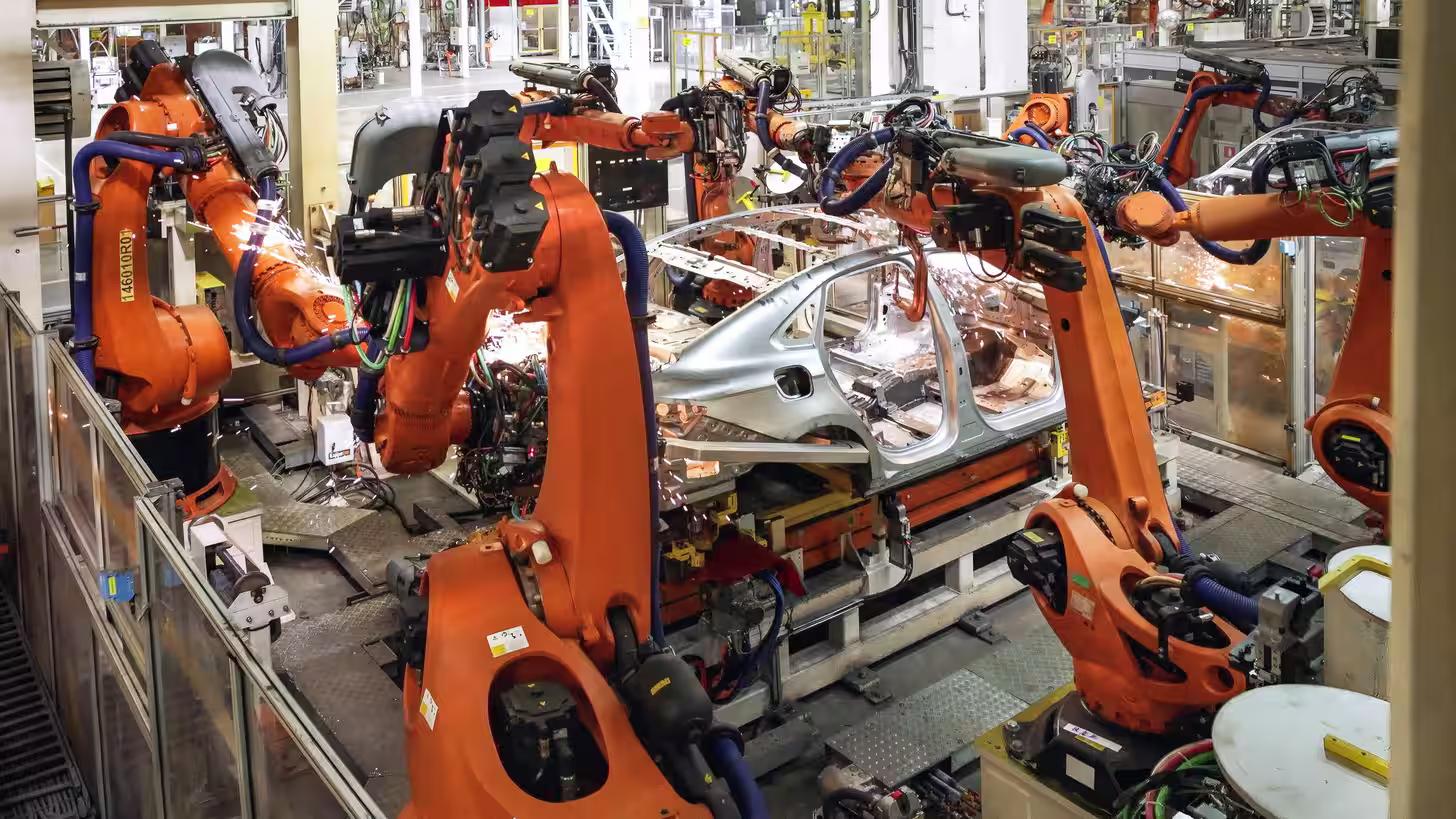
Welding operations feature 80 percent automation, with robots maintaining a precision tolerance of 0.2 mm for weld points. A control system manages the line, providing real-time adjustments to ensure structural integrity and consistency across the assembly process.
Quality control includes ultrasonic testing of welds, metallographic analysis, and geometry audits. Post-assembly, vehicles undergo leak testing, headlight alignment, and dynamic noise assessments, with some units subjected to simulated customer evaluations.