

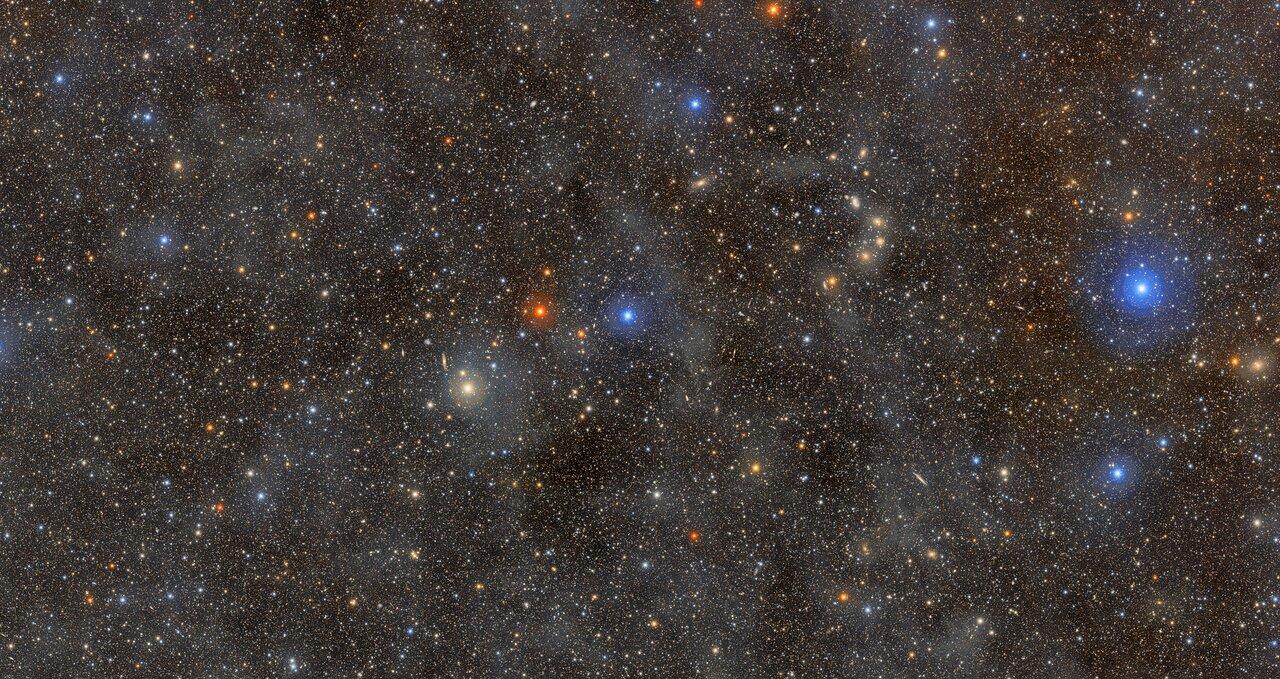
The Vera C. Rubin Observatory identified a new ultra-faint dwarf galaxy, named Aquarius IV, during its Early Data Preview 2 (EDP2) phase. This preliminary survey, conducted between April 2025 and January 2026, covered approximately 7% of the sky. Researchers utilized a specialized method to detect the object, focusing on star clusters that align with specific color-brightness patterns known as isochrones.
Aquarius IV is distinguished from globular clusters by its size and composition. While globular clusters are dense systems of old stars, the characteristics of Aquarius IV suggest it resides within its own dark matter halo. This makes it a significant subject for studying dark matter, as these galaxies contain minimal ordinary matter, allowing researchers to observe the influence of dark matter halos more clearly.
Currently, approximately 40 such dwarf galaxies are known to orbit the Milky Way. The main 10-year survey, which began in June 2026, is expected to double this number. The observatory aims to conduct a comprehensive study of the entire southern sky, creating the largest and deepest survey of its kind to date.


