

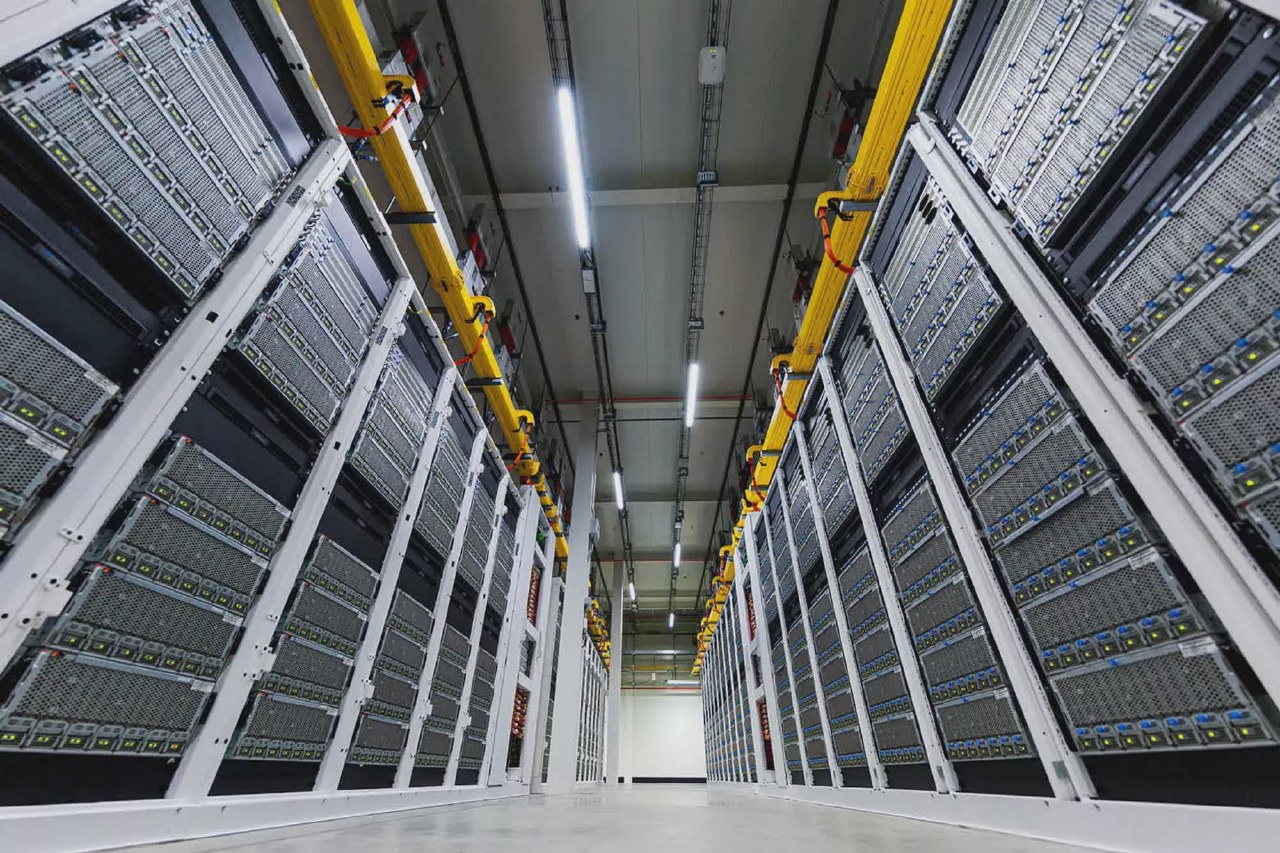
The US House of Representatives has advanced the Power Bill Payers Protection Act with a vote of 417 to 3. This bipartisan legislation aims to prevent the costs of power infrastructure upgrades, driven by the expansion of AI data centers, from being passed on to residential and small business utility customers.
The bill targets large-scale AI data centers with power demands of 100 megawatts or more. Under the proposed rules, state regulators could require developers to cover the expenses associated with new power generation, transmission lines, and grid upgrades rather than incorporating these costs into public electricity bills.
The legislation follows a surge in data center construction by major tech firms, including Microsoft, Google, Amazon, Meta, and xAI. These facilities require significantly higher power capacity than traditional commercial buildings, sparking concerns among local communities about rising energy costs.
While the bill received broad bipartisan support in the House, it has faced criticism from environmental groups. Critics argue that the legislation is too narrow, as it fails to address broader issues such as land use, water consumption, and the overall environmental impact of rapid data center expansion.
The bill now awaits consideration in the Senate. Its progress reflects growing political awareness regarding the economic consequences of AI infrastructure development and the need for federal regulation to ensure fair cost distribution as the industry continues to grow.


