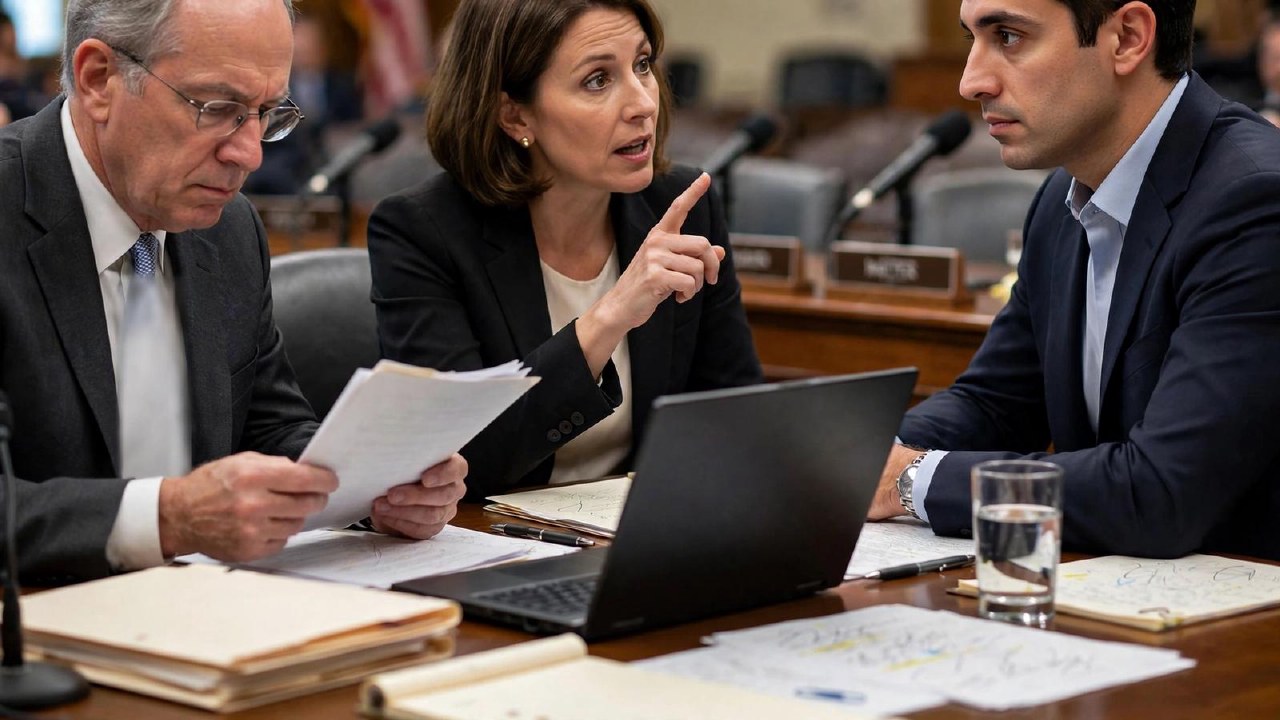
During the final session of the Convention on Certain Conventional Weapons (CCW) Group of Governmental Experts in Geneva, which concluded on September 5, 2026, diplomats from the United States and Russia significantly altered a draft framework on lethal autonomous weapons. A closed-door meeting involving approximately 20 lawyers from both nations resulted in the removal of key provisions.
The revised document no longer requires human review of AI-identified targets before strike authorization. Additionally, provisions concerning the predictability and reliability of AI systems, as well as broader ethical considerations for machine intelligence in warfare, were excluded. The scope of applicable international law was narrowed exclusively to international humanitarian law.
The negotiations involved 129 states, including 128 High Contracting Parties to the CCW. Despite three years of development by numerous nations, the consensus-based nature of the CCW allowed the US and Russia to veto the original requirements. At least 76 states had previously expressed support for the elements that were ultimately removed.
Organizations including Stop Killer Robots and the International Committee of the Red Cross criticized the outcome. The next opportunity to address these regulations is the CCW Seventh Review Conference, scheduled for November 2026. Participating states are now considering whether to continue within the current framework or pursue a separate treaty process.