

The UK's Advanced Research and Invention Agency (ARIA) has committed $94 million to develop high-altitude pseudo-satellites (HAPS) over the next three and a half years. The program is divided into three technical areas: technology development, system integration and testing, and final deployment.
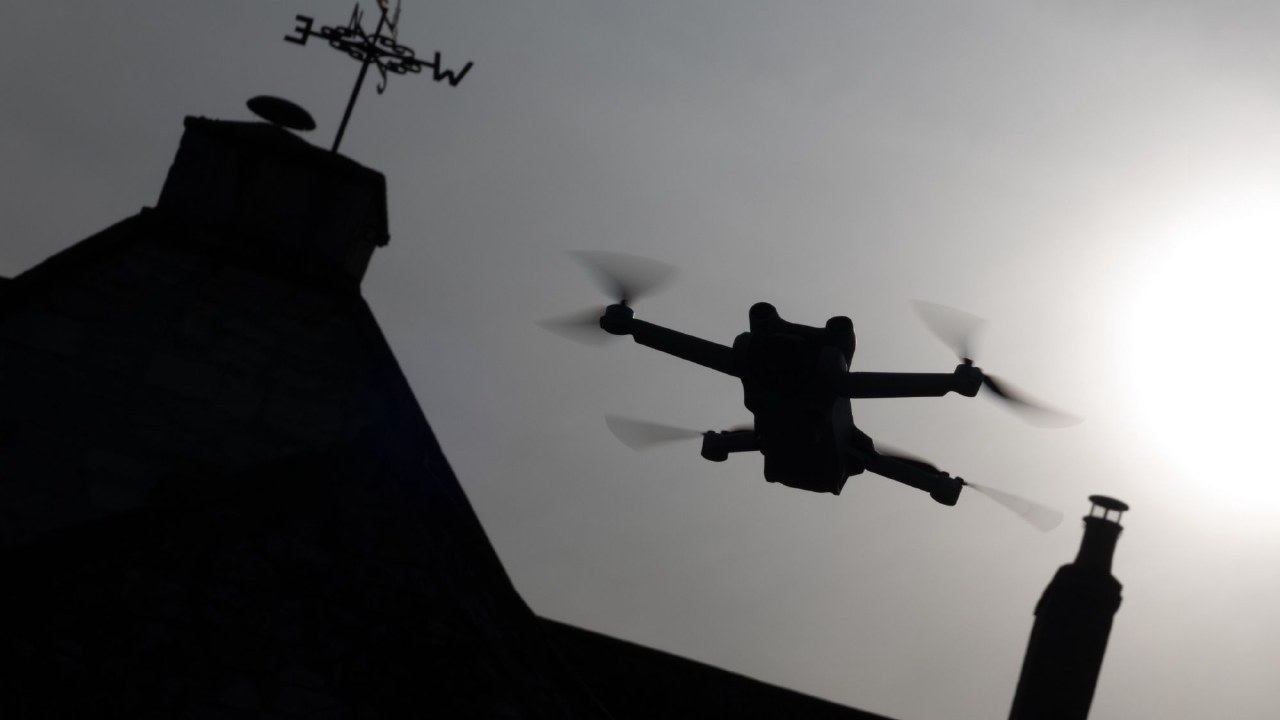
Two startups are developing drone constellations for UK-wide coverage. Menapia’s Carousel project aims to operate at altitudes up to 12 miles. VFP Aerospace’s Enduring Drone Networks proposes a relay system where units return to ground stations for maintenance, with each drone estimated to cost $67 000.
The initiative also explores wireless power transmission for airborne platforms. Scalable Laser Ltd is testing ground-based laser diodes paired with aerial photovoltaic receivers, while Space Solar Engineering Ltd is researching microwave-based power delivery. Additionally, the University of Bath is studying the use of atmospheric gravity waves to increase flight endurance.
Program director Rico Chandra stated that the investment aims to establish the UK as a hub for designing, building, and scaling high-altitude platforms. The research encompasses diverse designs, including fixed-wing solar aircraft and unconventional propulsion systems like spinning wings.



