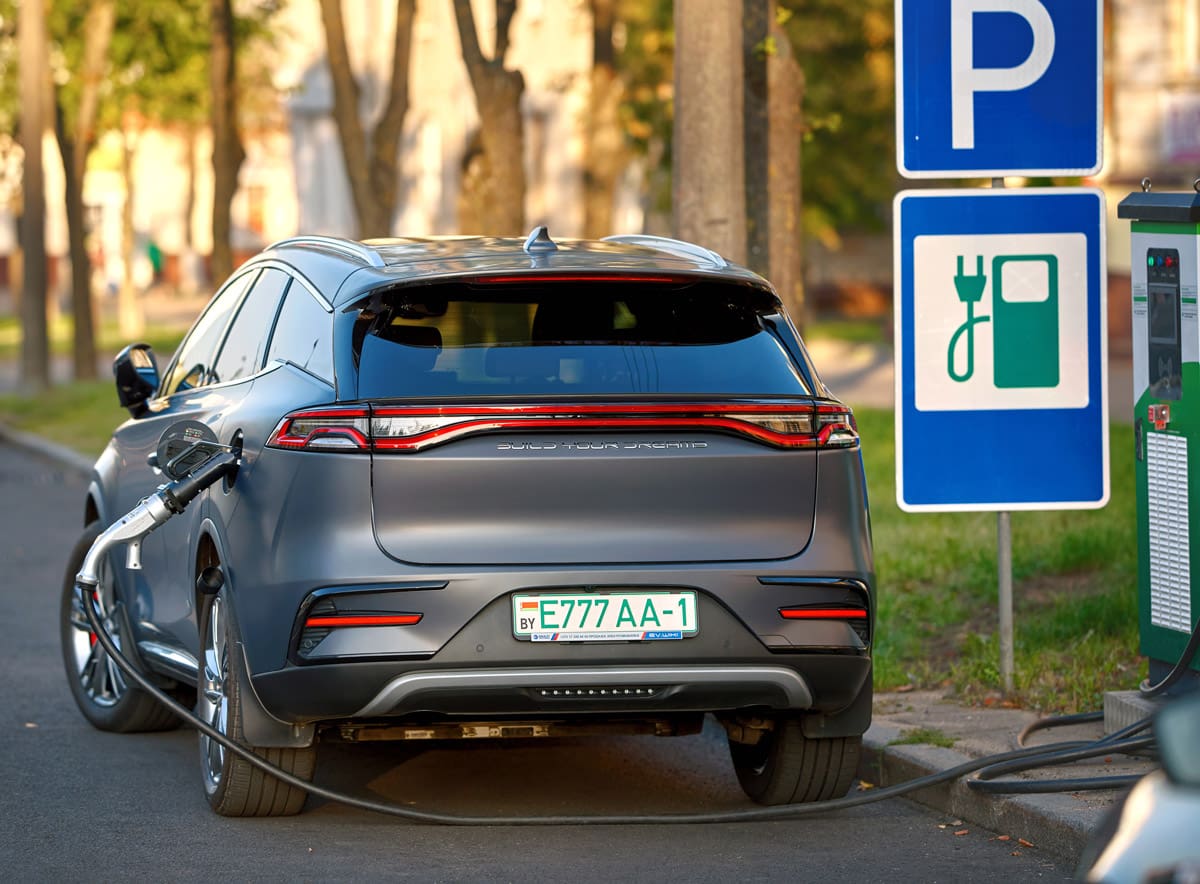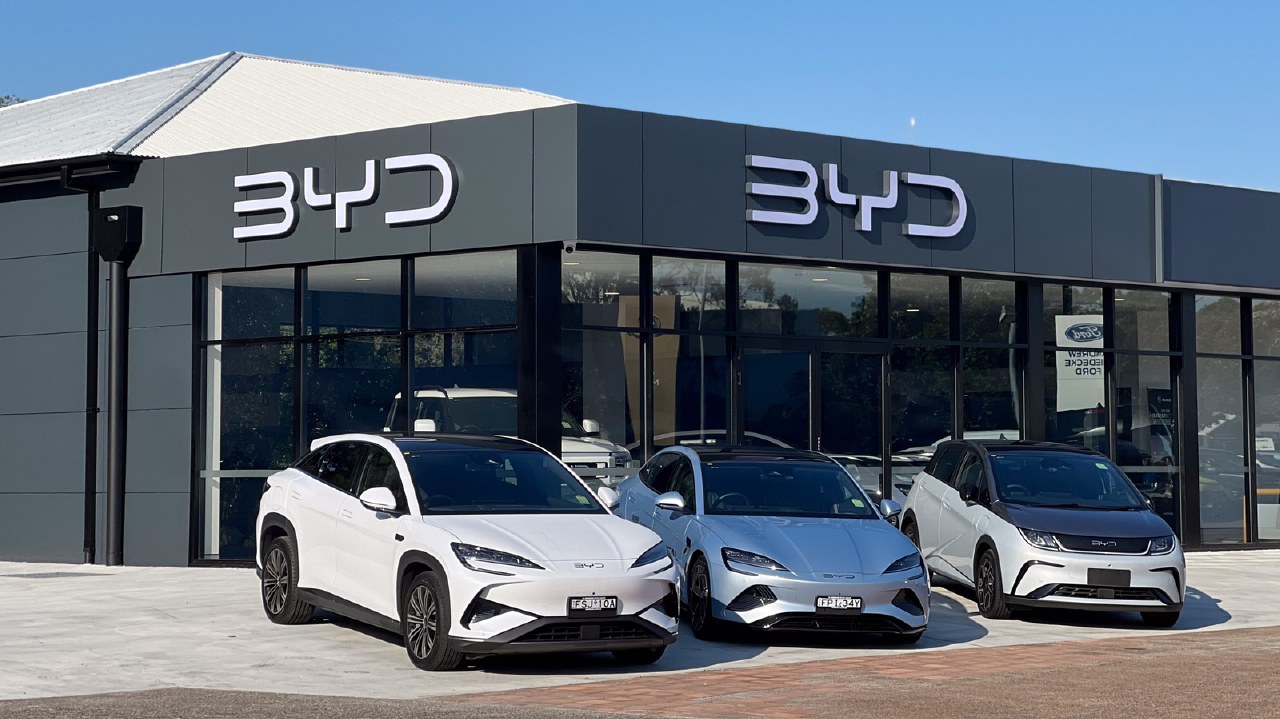
The Alliance for Automotive Innovation, representing major manufacturers including Ford, GM, Toyota, Volkswagen, and Hyundai, has requested that Congress block Chinese automakers from entering the U.S. market. John Bozzella, the group's president, cited the growth of Chinese vehicle imports in Europe, which reached over 1.1 million units in the first eight months of 2026, surpassing the total for the entire year of 2025.
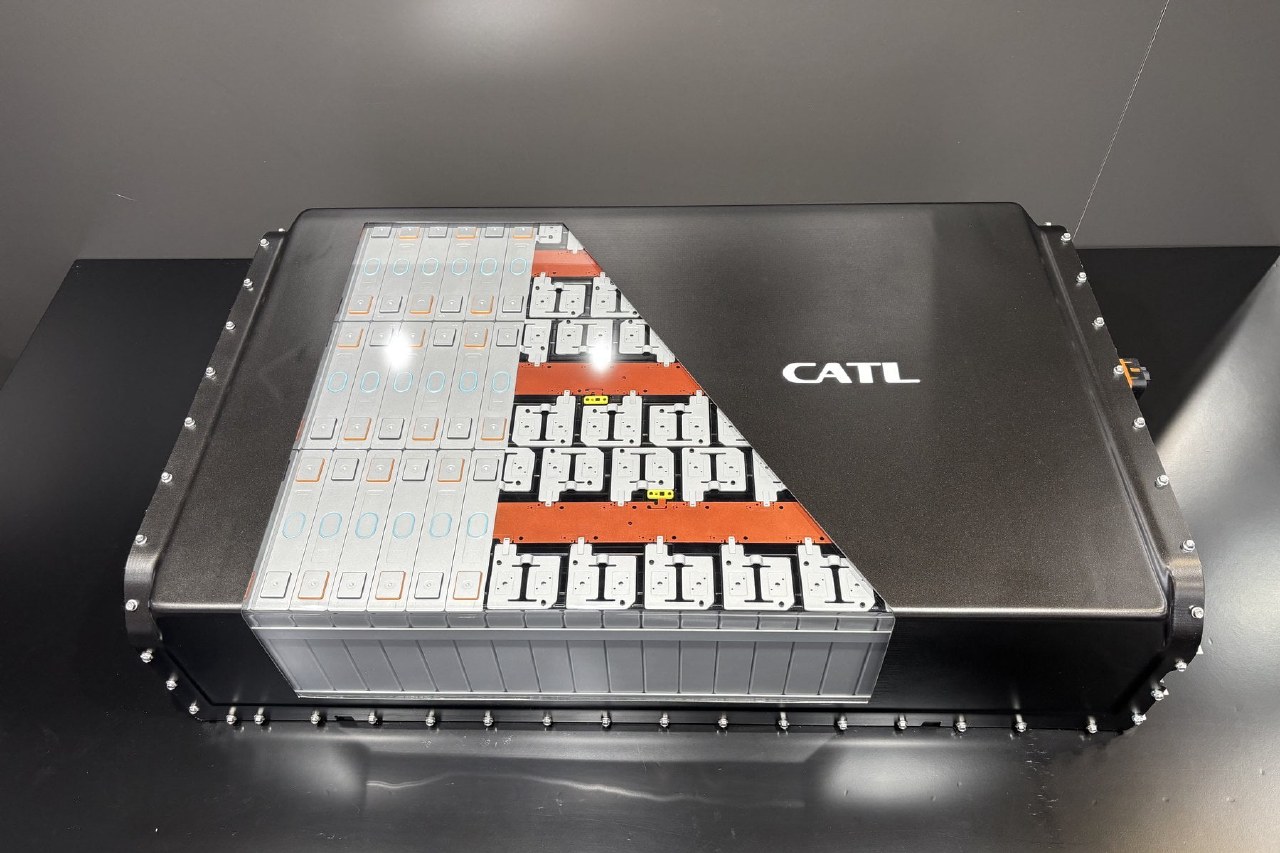
Industry concerns focus on data privacy, vehicle surveillance, and the competitive threat posed by lower-priced Chinese products. Current U.S. policy already includes tariffs and restrictions finalized in January 2025. These rules prohibit the sale of new connected vehicles with specific Chinese or Russian technology starting with the 2027 model year, while hardware restrictions are set to take effect for the 2030 model year.
Legislative efforts to solidify these barriers are underway through the Connected Vehicle Security Act of 2026. Sponsored by Bernie Moreno and Elissa Slotkin, the bill passed the Senate Commerce Committee unanimously in July. The proposed law aims to restrict connected vehicles and hardware from countries of concern, including measures to prevent companies from bypassing rules through rebranding or restructuring.
The future of these restrictions remains subject to potential executive action. President Donald Trump stated in September that he would consider allowing Chinese cars in the U.S. provided they are manufactured domestically. This stance contrasts with the position of domestic automakers, who continue to advocate for a complete market exclusion of Chinese manufacturers regardless of production location.