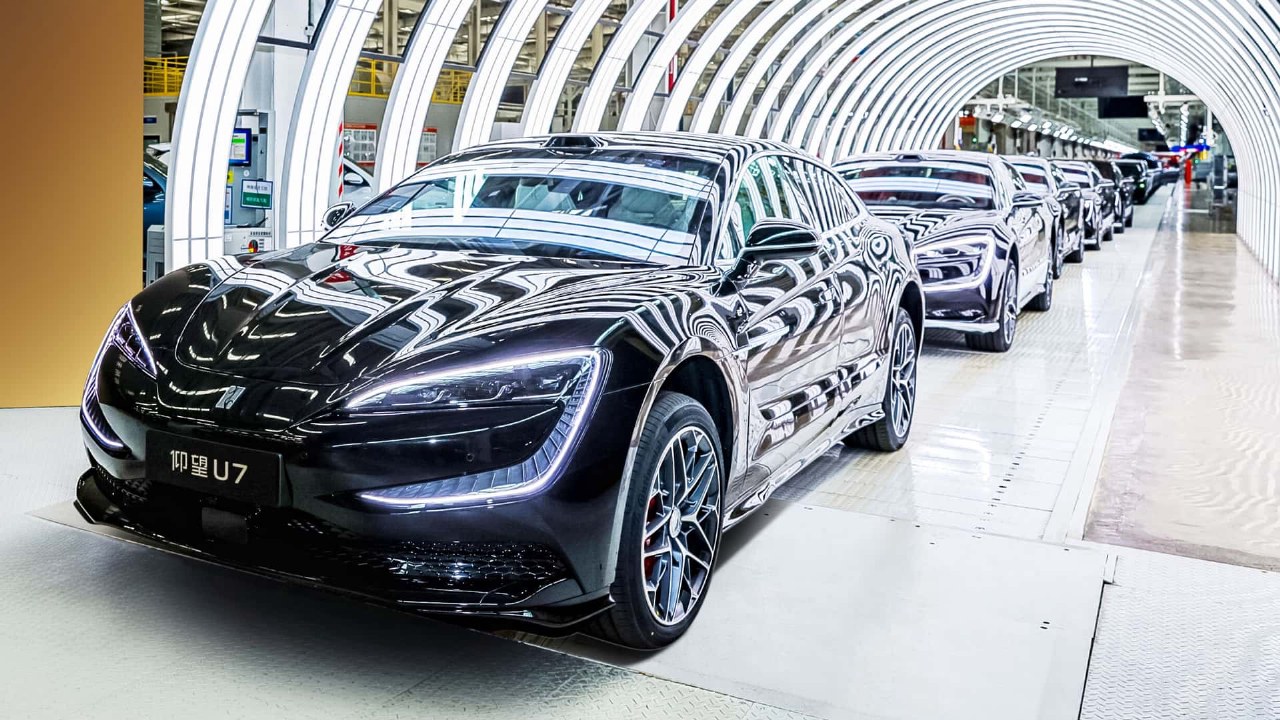
Donald Trump stated he would permit Chinese automakers to establish manufacturing facilities within the United States, provided they employ American workers. He drew a comparison to the strategy used by Japanese manufacturers decades ago, emphasizing that job creation for US citizens remains his primary objective regardless of the brand's origin.
Despite this openness to domestic production, Trump maintains a strict prohibition on finished vehicles imported directly from China or those assembled in Mexico. He warned that the market would be overwhelmed without these import restrictions, noting that the country has historically blocked such imports and intends to continue this policy.
The administration is simultaneously increasing pressure on Ford regarding its partnerships with Chinese firms. Transportation Secretary Sean Duffy sent a letter to CEO Jim Farley expressing concern over Ford's licensing of battery technology from CATL for its plant in Marshall, Michigan, as well as its joint venture with Geely in Spain.
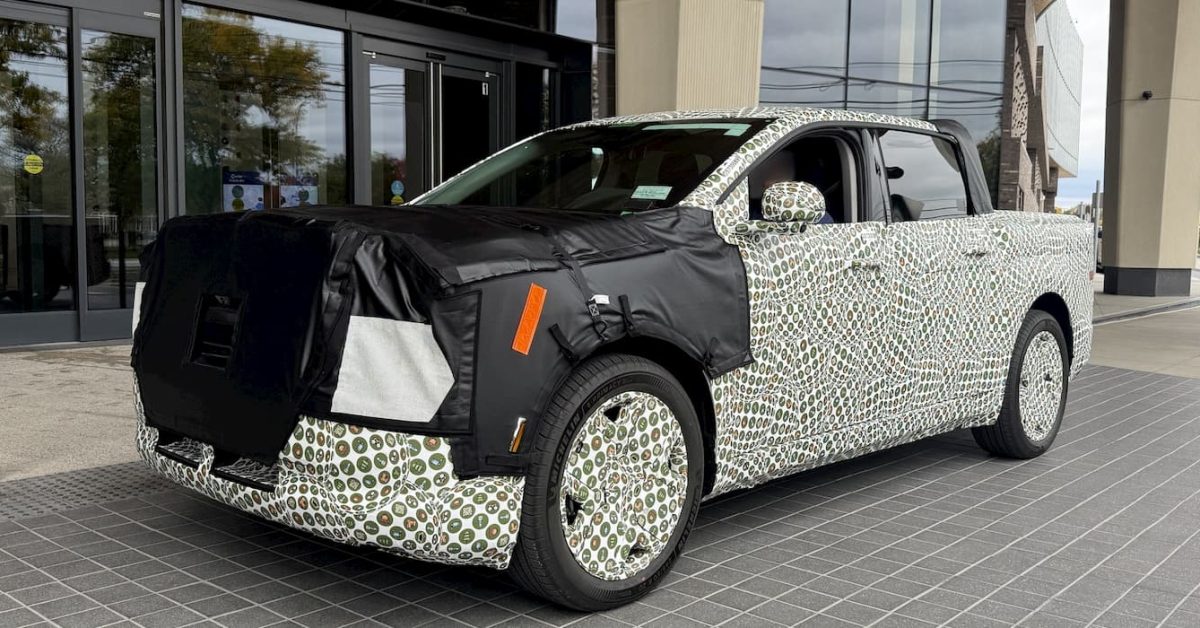
The scrutiny also extends to reported discussions regarding hybrid components with BYD and the continued production of the Lincoln Nautilus in China, which is scheduled to remain there until 2030. Ford maintains that its agreement with CATL is a licensing deal rather than foreign ownership, though the administration continues to challenge these arrangements.
These policy signals arrive approximately ten days before a scheduled visit by Xi Jinping to Washington. The administration's focus on distinguishing between local manufacturing and foreign-controlled technology is forcing automakers to re-evaluate their existing joint ventures and international partnerships to align with new political expectations.