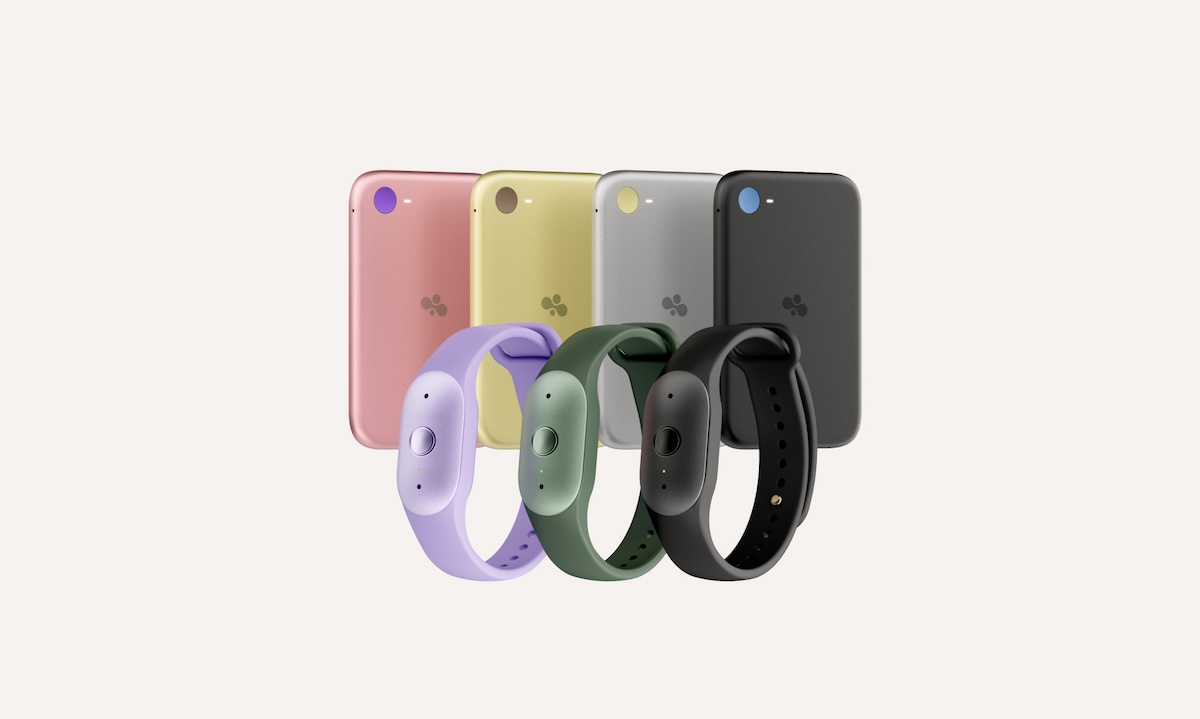
Tony Fadell, known for his work on the iPod, iPhone, and Nest, argues that early AI gadgets like the Rabbit R1, Humane AI pin, and Limitless pendant failed because they did not address genuine consumer needs. He suggests these devices were interesting to tech enthusiasts but lacked practical application for the general public.
Fadell emphasizes that building trust is a critical barrier for AI assistants. He notes that most consumers have never used a personal assistant, and the process of delegating sensitive tasks to an agent requires significant time and security. Current AI products often struggle to match the level of trust users place in human assistants.
Security concerns remain a major hurdle, as evidenced by vulnerabilities found in Meta’s Muse assistant. Fadell believes that for AI agents to succeed, they must operate on-device to ensure privacy and efficiency, rather than relying solely on data centers. He points to Apple’s approach with biometric data as a model for consumer trust.
Fadell explains that companies like Meta and OpenAI are developing new hardware because they lack the vast ecosystem of mobile devices that Apple controls. By creating dedicated gadgets, these firms aim to bypass the limitations of third-party access to sensors like cameras and microphones on smartphones.
Reflecting on the startup landscape, Fadell notes that new companies have fewer opportunities to pivot compared to established giants like Apple. While Apple faces challenges in developing its own proprietary AI models, its hardware integration and existing user base provide a distinct advantage in the market.