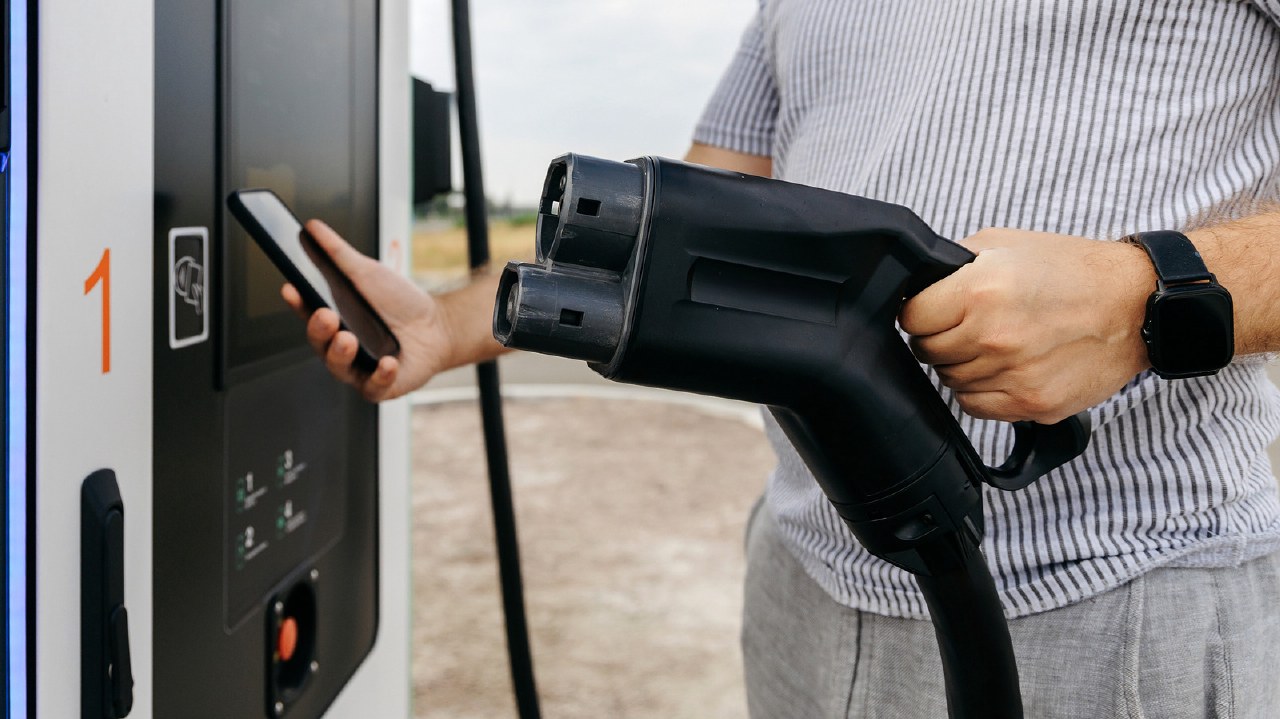
Rapid charging processes move lithium ions into graphite electrodes at high speeds. This can lead to lithium plating on the electrode surface, which permanently reduces energy storage capacity. Furthermore, the heat generated during fast charging accelerates the aging of battery cells.
Automakers typically limit charging speeds outside the 10-20% to 80% range to protect battery health. Even high-performance vehicles, such as the Porsche Taycan, can only maintain peak charging rates of 320 kW for a maximum of five minutes before throttling occurs.
A 2026 Geotab study involving nearly 23,000 electric vehicles indicates that regular use of DC fast chargers above 100 kW results in an annual capacity loss of up to 3%. In contrast, vehicles charged at slower rates experience an annual capacity degradation of approximately 1.5%.
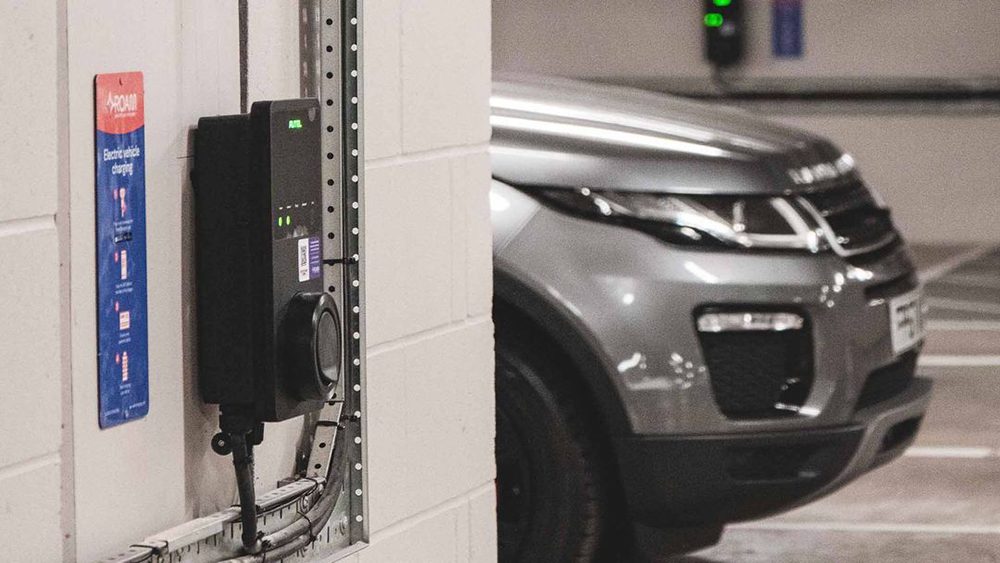
Tesla and other manufacturers recommend prioritizing home charging and reserving fast-charging networks for long-distance travel. While LFP batteries are more resilient to full charges than NMC types, experts suggest avoiding frequent 100% charges to minimize long-term stress on the battery packs.