

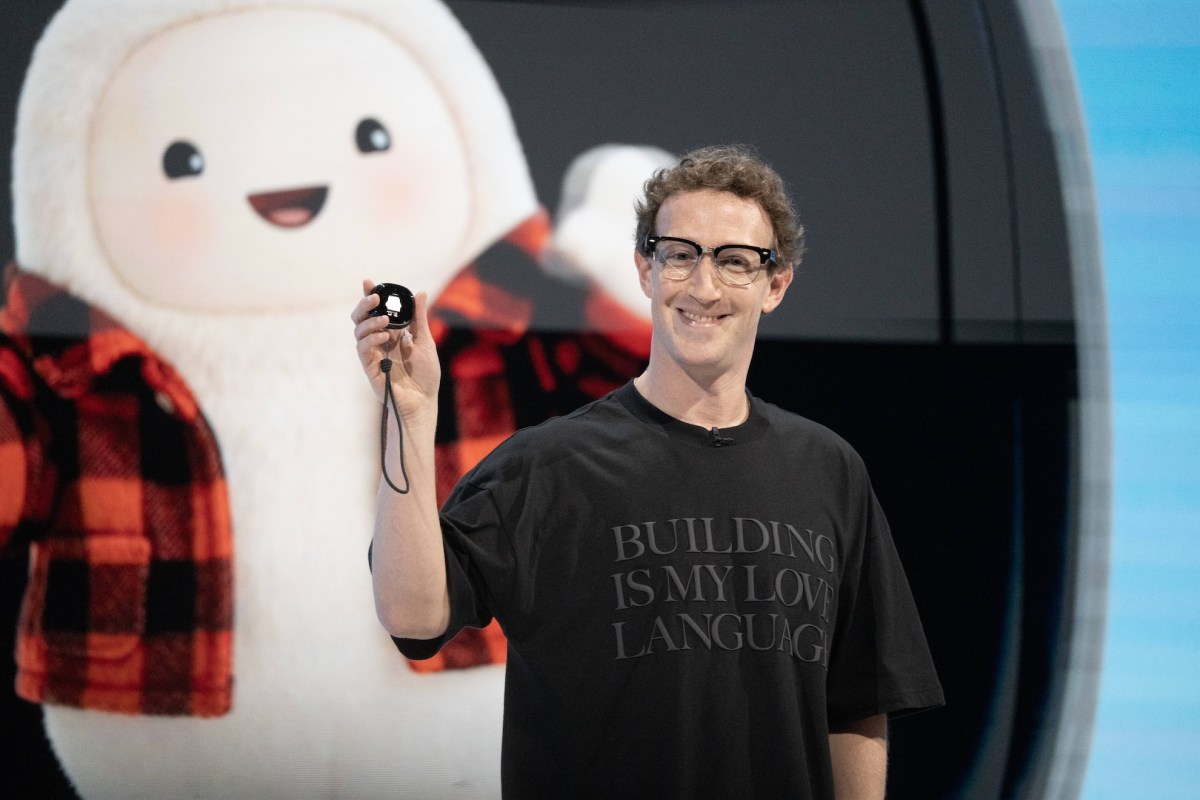
Consumer AI products are seeing renewed interest with the launch of Meta’s Muse, OpenAI’s Dots, and the Instinct assistant. Instinct has reached a valuation of $10 billion, driven by its agentic capabilities in travel booking and subscription management.
Despite the popularity of these tools, the industry is shifting toward enterprise contracts. Data from Andreessen Horowitz and PNC shows that as of May, only 2.2% of consumers paid for AI services, with an average monthly spend of $31. Bank of America reported in March that 3% of U.S. consumers paid for AI.
Operating AI models remains costly compared to traditional cloud services. While OpenAI has doubled its enterprise bookings since July, consumer-facing startups face challenges in achieving profitability. Meta is exploring enterprise applications for Muse, while Instinct plans to monetize by taking a commission on purchases made through its agent.
The growth in consumer adoption remains linear, even as AI models improve significantly. Major labs are increasingly prioritizing enterprise revenue to offset high operational costs, as consumer willingness to pay for AI services has not shown substantial growth.



