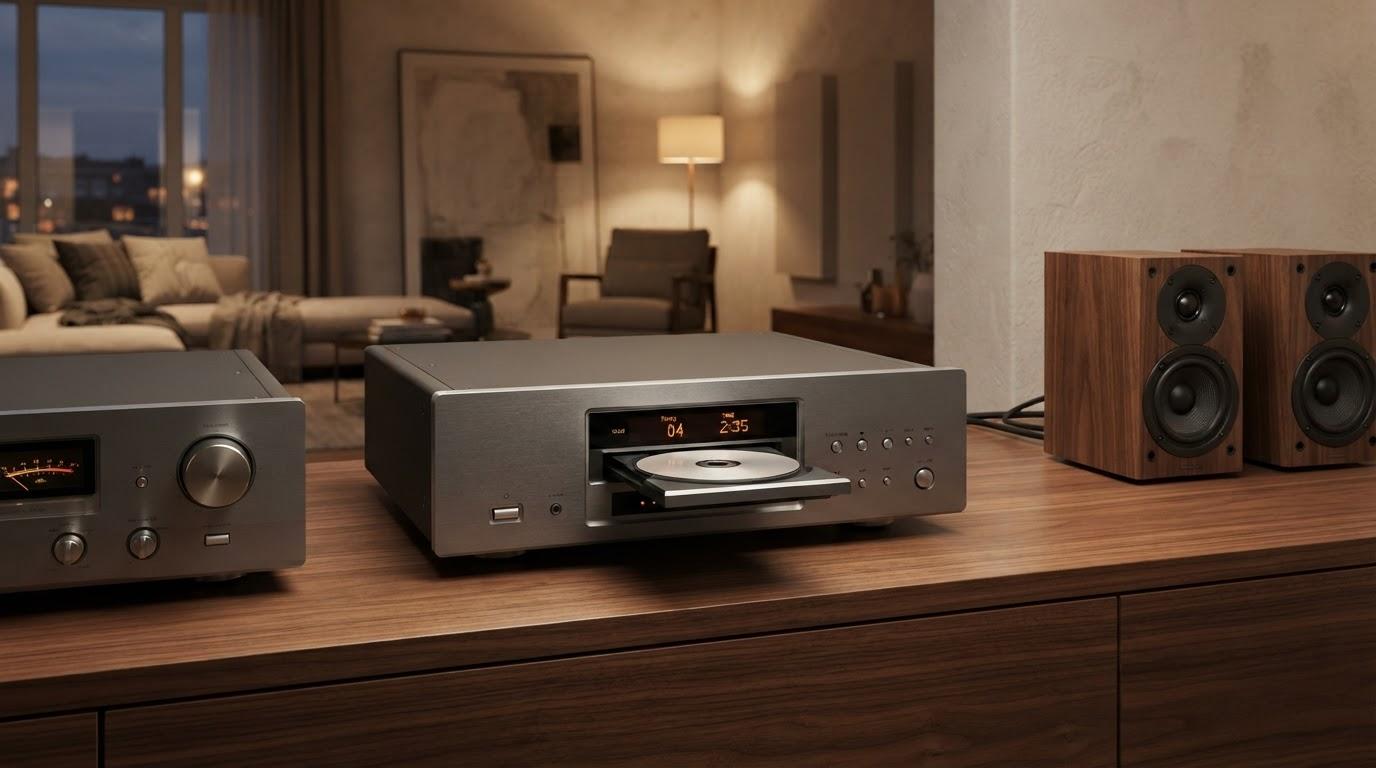
The resurgence of CDs faces a supply chain crisis as manufacturers of high-end audio equipment struggle to source optical transport mechanisms. Suppliers are phasing out production, and the niche Hi-Fi market lacks the scale to sustain the manufacturing of these specialized components independently.
Naim released the Uniti Star Lite in August 2026 for £3,200, replacing the £3,500 Uniti Star but omitting the CD drive entirely. Similarly, PS Audio discontinued its PMG Super Audio CD Transport in early 2026, citing the lack of viable mechanisms and the prohibitive costs of developing proprietary drives from scratch.
In 2024, D&M Holdings, owner of Denon and Marantz, notified third-party buyers of impending supply cuts for specific SACD/CD mechanisms. PS Audio responded by purchasing remaining stocks, noting that the price of these components had doubled by the time of the acquisition.
Despite hardware shortages, CD demand is rising. RIAA data shows wholesale revenue from US CD shipments grew by 58.6% to $171.1 million in the first half of 2026, with Luminate reporting a 16% increase in consumer sales, largely driven by K-pop physical editions.
Companies like TEAC, Esoteric, Cambridge Audio, Luxman, and D&M maintain production or control over their own drive designs, offering better protection against shortages. Other brands, such as dCS, are securing large inventories to support both new manufacturing and future repairs.
Repairing legacy equipment is becoming increasingly difficult. Specialist Andrew Wilkinson estimates that only about 50% of older CD players can currently be serviced, as original laser heads are largely discontinued and third-party replacements often suffer from inconsistent quality.